Health & Fitness
SAFE Works to Prevent Problem Gambling Among Seniors
SAFE social worker Nicole Giordano visited the Glen Cove Senior Center to share important information on the dangers of gambling.

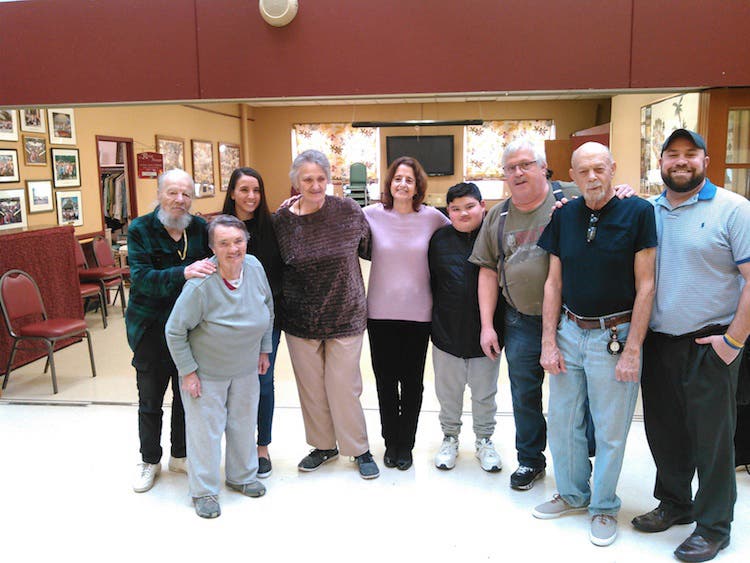
SAFE social worker Nicole Giordano visited the Glen Cove Senior Center on April 5th to share important information on the dangers of gambling – when it is a problem, where help is available and the signs to recognize if it may become a problem. Ms. Giordano presented a workshop that included a PowerPoint presentation followed by question and answer period.
There are five different types of gambling, said Ms. Giordano. They include the social gambler that engages in the activity for leisure, the problem gambler who’s involvement is more excessive, a pathological gambler who has an uncontrollable response to gambling, the organized crime gambler that launders illegal funds through illegal resources and the professional gambler who does it for a living in a controlled fashion and can deal with their loses.
“Four to six million people are problem gamblers,” said Giordano who went on to discuss the different media outlets that encourage gambling. “The internet provides avenues to gamble and the advertising on television and the radio encourages it. And you don’t need to work hard to find ways to gamble. You can even do it on your phone.”
Aging adults engage in bingo at senior centers which can be enjoyable, but for someone with a gambling problem it can have dire consequences. Many seniors are limited financially so they may see playing bingo or scratch-off lottery cards as a way to add to their income. And since retired seniors have more time on their hands gambling can become an escape.
Find out what's happening in Glen Covefor free with the latest updates from Patch.
“Seniors with a gambling problem will find that their mood is affected by their gain or loss when gambling. A problem gambler is willing to go without food and medication so they can gamble. They might even cash in their insurance policy.”
A senior with a gambling problem suffers the same consequences as their younger counterparts. Their family won’t even trust them anymore as 20% of seniors with a gambling problem have filed for bankruptcy and 20% attempt or commit suicide. Additionally, cognitive impairment may prevent the recognition of a gambling problem, therefore seniors may not comprehend their addiction and may be reluctant to seek and/or accept help."
Find out what's happening in Glen Covefor free with the latest updates from Patch.
- Signs of seniors having a gambling problem including:
- Loss of interest and participation in normal activities with family and friends
- Blocks of time unaccounted for and secrecy regarding that time when queried
- Missing possessions or assets
- Changes in attitude and personality
- Depression
- Neglect of personal needs (food, utilities, medical)
Ms. Giordano also went on to state that the American Psychiatric Association has finally acknowledged gambling as an addiction, rather than an Impulse Disorder, as research demonstrates that problem gamblers as well as alcoholics or substance users share the same reward system stimuli in the brain.
SAFE is a not for profit alcohol and substance abuse prevention, intervention and education agency located in Glen Cove City Hall. For further information visit our website www.safeglencove.org and follow us on Facebook www.facebook.com/GlenCovePrideCoalition.
To get further information or help with a gambling problem contact:
Gamblers Anonymous
(213) 386-8789
NYS Office of Alcoholism and Substance Abuse Services
(877) 8-HOPENY
NY Council on Problem Gambling
(518) 867-4084
The National Council on Problem Gambling
24 hour Helpline
1-(800) 522-4700