Neighbor News
It's What You're NOT Doing At The Gym That Makes The Difference
What do professional athletes know that you don't? The answers aren't exactly a secret.
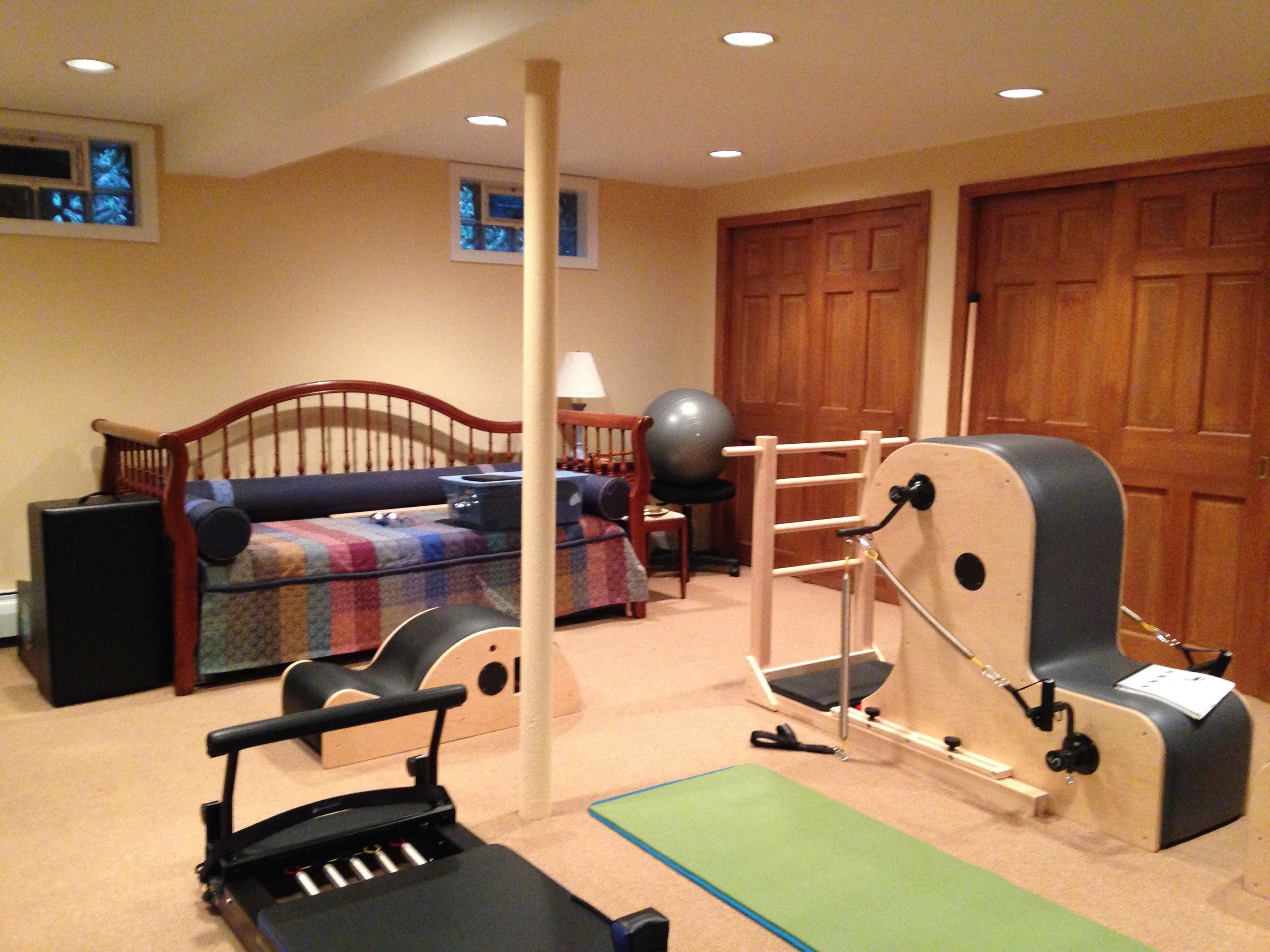
Every day someone who loves their weekend sport gets on a treadmill at the gym. While one will always get kudos from their doctor (and supportive spouse) for being consistent and dedicated. However, why not make your workout both a healthy habit and a game changer? Among the many excellent reasons for training for your favorite sport through Pilates and Yoga, there are two that are irrefutable. The first is training specificity, as it is called, has been shown to help prevent injury. Moreover, if your body is stronger, better prepared for the muscular movements it will be enduring, it can perform them longer in terms of active years of life.
For example, tennis is a “multi-planar” sport. It is played in any number of directions, with speed and agility. These directional changes are performed hundreds, if not thousands of times during a long match. Pilates conditions the body in multiple planes, in alignment and with coordination. For the tennis player, this kind of training produces strength, agility, and flexibility, while at the same time encourages injury prevention. The majority of movement in tennis is lateral, meaning, side to side, which requires balance and lower body and core strength. Balance is a profound result from Pilates training for tennis fitness that often goes unrecognized. By working the core of body, the abdominals, obliques, and back muscles, we create a corset of strength and flexibility that responds effectively to split second decision-making, whether during a tennis match, or even everyday activities.
Golf injuries occur from its primary activity: swinging the club. It is a game of asymmetry and stresses arising from multiple and simultaneous directions: imagine performing an oblique curl to the left one hundred to one-hundred and thirty times with compressive force -- pressure that acts to compact or squeeze together parts of the body -- eight times one’s body weight. About sixty percent of all part time golfers are hurt from playing the game, with the most common injuries occurring in the low back. Spinal alignment is essential to proper swing mechanics as the body coils and uncoils dozens of times over the course of a four-hour game. In case you were curious, the muscles used primarily to execute a golf swing are the external abdominal obliques, the rotators, and the multifidus.
Find out what's happening in Great Neckfor free with the latest updates from Patch.
So which muscles are you going to work during your next workout session? at the gym? Which ones need more power, flexibility, improved rotation, and stability? Still scratching your head…? Having a full Titleist Performance Institute golf screen/assessment is key to knowing where your inefficiencies are and addressing them--and your personal trainer or Pilates instructor will have game plan. The Golf Screen will tell you exactly what you need to work on this winter so you can rock the golf course in the spring. Find your local certified Titleist Performance Trainer and get your assessment and get training right. It will be--hands down--the best thing you ever did for your handicap.
Lori Gross is a fully accredited BASI Pilates instructor on all apparatus and mat. She is also a Titleist Performance Trainer and a Tennis Performance Trainer (ITPA). Her studio is located in Great Neck and can be contacted at 516.644.8808.