Health & Fitness
Paramedics' Future Role in the "Golden Hour" for Stroke Treatment
Patients could soon benefit from early, in-ambulance stroke treatment from paramedics, according to an article.

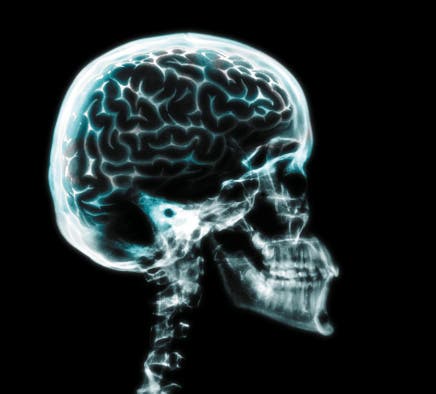
Patients could soon benefit from early, in-ambulance stroke treatment from paramedics, according to an article in the new edition of the New England Journal of Medicine. The study demonstrated how early therapy in an ambulance on the way to the hospital may work for patients experiencing a stroke.
A stroke occurs when a blood vessel in the brain is blocked (ischemic) or bursts (hemorrhagic). Once part of the brain doesn’t get enough blood flow, it dies.
That’s why stroke specialists frequently remind patients that time is brain and, in case ofstroke-like symptoms, to call 911 immediately. Such symptoms need assessment by a certified neurologist at the nearest state-designated Stroke Center.
Find out what's happening in Great Neckfor free with the latest updates from Patch.
Earlier Stroke Treatment on the Horizon
In the Phase 3 clinical trial, 1,700 patients who were suspected of having a stroke received magnesium sulfate or a placebo from paramedics in the ambulance within two hours of symptom onset. (Paramedics first consulted with a neurologist via cell phone to determine if the patient was a good candidate for the study.)
The magnesium sulfate did not affect stroke patients’ outcomes, but the study showed that paramedics can deliver early treatment en route rather than waiting to get to the hospital for physicians to administer medication. It’s crucial to recognize that the study indicated feasibility of a patient’s getting stroke treatment in an ambulance from a paramedic. Magnesium sulfate didn’t show promise, but future trials can study other drug therapies.
Find out what's happening in Great Neckfor free with the latest updates from Patch.
“Ultra-early brain salvage in stroke patients will someday surely reduce the tremendous burden of disability and death due to stroke,” the National Institute of Neurological Disorders and Stroke said of the study. The agency added that future clinical research studies will develop and refine a “pre-hospital approach” to stroke treatment.
Since every minute matters after stroke onset, paramedics are the first line of treatment and can help ensure better outcomes. The sooner a patient suspected of stroke is treated, the better.
This post was written by Paul Wright, MD, chairman of neurology at LIJ Medical Center and North Shore University Hospital.
For more North Shore-LIJ Health Blog posts, go to http://blog.northshorelij.com/
Contents of the health blog are the property of North Shore-LIJ Health System and are provided as a health resource for consumers, health care professionals and members of the media. The medical content on the North Shore-LIJ Health Blog is for informational purposes only and should not be considered a substitute for consultation with your physician regarding diagnosis, treatment or any other form of specific medical advice. These materials may be reprinted for noncommercial personal use only. “North Shore-LIJ Health System,” “North Shore-LIJ,” “northshorelij.com,” “VivoHealth,” their related entities and logos are trademarks of the North Shore-LIJ Health System. Copyright © 2011 North Shore-LIJ Health System. All rights reserved.