Home & Garden
Safe Driving Tips for the Springtime
Spring brings challenging driving conditions. Read these tips to stay safe on the roads this spring.

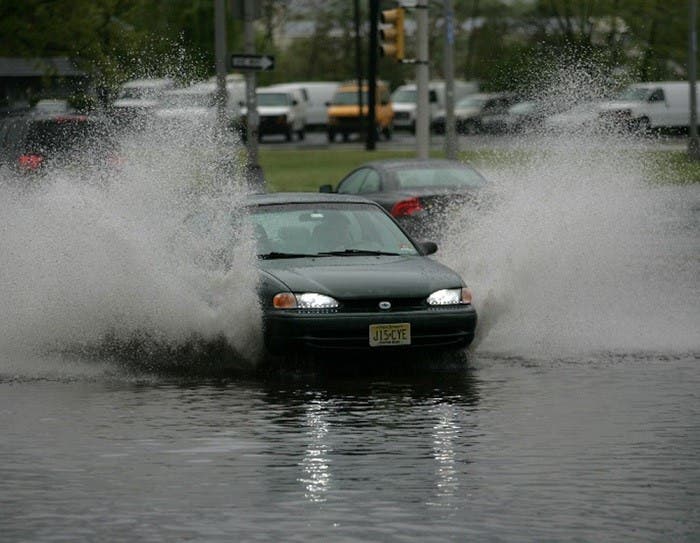
We survived a tough New York winter and we’re happy to leave the snow and ice behind. We’re so happy that spring has arrived, even if it has been a little slow in coming. April promises blooming flowers and warmer temperatures, but it also brings for and rain, lots of rain. The Automobile Association of America (AAA) reports that there are 1.2 million car crashes each year due to wet pavement. We don’t want you to become one of those statistics, so here at the Schlitt Law Firm we have put together safe driving trips for the spring to help you ride out New York’s rainy season.
After a Tough Winter, Make Sure Your Car is Ready for the Spring
Safety starts even before you start your car. It’s essential that you be able to see out of your car and that other cars can see you. Here’s a short checklist to make sure your car’s ready for the spring:
Find out what's happening in Huntingtonfor free with the latest updates from Patch.
· Check your windshield wipers: If your wipers leave streaks on the window, it’s time to get some new wipers.
· Check your lights, all of them: Make sure your headlights, taillights, brake lights and turn signals are working so other drivers will see you no matter how hard it rains.
Find out what's happening in Huntingtonfor free with the latest updates from Patch.
· Check your tires: Tire pressure changes as the temperature changes so make sure your tires are inflated properly. And check the tire tread so you get a good grip on slick roads. Here’s an easy way to check the tread: Insert a quarter inserted upside down into the tire groove. If you can see above Washington’s head, it’s time to get some new tires.
Wet Roads + Speed = Hydroplaning
The key to safe driving in the rain is to take it slow. Water on the road can lead to hydroplaning, when the tires lose touch with the road and ride on a film of water. Hydroplaning can cause loss of traction and control of steering. Hydroplaning normally occurs at higher speeds, but it also can occur if your tires are tread worn or not inflated properly.
The more rain, the greater the risk of hydroplaning and the slower you should drive. AAA warns that at speeds as low as 35 mph, new tires can still lose some contact with the roadway. How do you avoid hydroplaning?
· Slow down
· Avoid hitting the brakes too hard or making hard turns
· Allow plenty of space between you and the car in front of you so you have time to stop.
Here are some more tips for driving in the rain:
- Avoid driving through large puddles. You do not know how deep they are or if there is a pothole underneath that could damage your tires.
- Plan for extra travel time to allow for traffic delays and avoid the need for speeding to make up time.
- Brake sooner and more gradually than you would in dry conditions.
- Turn on your headlights. New York State Department of Motor Vehicles reminds us that New York State law requires you to turn on your headlights when the weather conditions require the use of windshield wipers to clear rain, snow, sleet or fog. “Daytime running lights” do not qualify as headlights.
Driving in the Fog
The spring will also bring more fog and fog can make for very difficult driving conditions. Here are some tips for driving in the fog:
- Slow down. Fog reduces visibility and you need more time to see other cars and other drivers need more time to see you. Reduce your speed, but always keep an eye on your speedometer.
- Do not use your high beam lights. High beams reflect back off of the fog and can further limit your field of vision.
- If you’re unable to see the road up ahead, you can use the white line on the edge of the road as a guide.
- If the fog is too dense to see, pull over and wait it out.
Even the best drivers taking the most precautions cannot stop all accidents from happening. If you’re ever injured in a car accident, you can call us right away. We are here to help and taking immediate action can protect your rights. We make it easy to contact us: call our toll free line (800-660-1466) or click here to fill out a contact form. You can also read our Six Step Guide on What to Do After a Car Accident.
Carol L. Schlitt
The Schlitt Law Firm
New York Car Accident Attorney
1-800-660-1466
Contact@SchlittLaw.com
This material is intended for informational uses only. It is not meant as legal advice. To receive legal advice, you should consult an attorney. Remember, past results do not guarantee similar outcomes in the future.