Health & Fitness
Tips to Pick the Best Oil
With so many choices as you're walking down the oils aisle of the grocery store, here are some ways to determine the best ones for you.

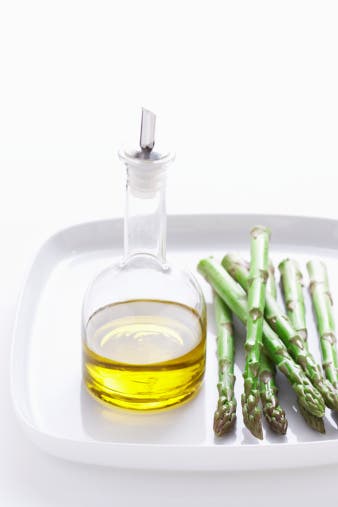
With so many choices as you’re walking down the oils aisle of the grocery store, here are some ways to determine the best ones for you and your family.
The various kinds of oils – olive, vegetable, coconut, et cetera – are made up of fats. There are two types of fats: saturated and unsaturated. Whenever possible in your diet, aim for unsaturated fats instead of saturated ones as the American Heart Association has encouraged people to limit their saturated fat intake. These fats are solid at room temperature and can raise your cholesterol, the American Heart Association noted.
“Both poly- and monounsaturated fats can help increase beneficial HDL cholesterol, and decrease ‘bad’ LDL cholesterol,” explained Stephanie Schiff, RD, nutritionist at Huntington Hospital. “Replacing saturated fats and trans fats with these oils may help reduce your risk for heart disease.”
Find out what's happening in Huntingtonfor free with the latest updates from Patch.
Olive oil has monounsaturated fatty acids, which can lower a person’s risk of heart disease and stroke, Ms. Schiff said.
“Choose ‘extra virgin’ olive oil - it has more antioxidants than refined olive oil,” Ms. Schiff said. “Use it in salad dressing, on vegetables and to saute food. Avocados are also a good source of monounsaturated fats.”
Find out what's happening in Huntingtonfor free with the latest updates from Patch.
Polyunsaturated oils are found mainly in plant-based foods; they contain Omega 3 and Omega 6 fatty acids, which the body needs to function, Ms. Schiff said. Omega 3s may reduce inflammation and reduce your risk of heart disease, depression, dementia and arthritis, she added. Some good sources of Omega 3s are: salmon, flax seeds, chia seeds and walnuts.
“Canola oil also has omega 3 fatty acids and may be a better choice for frying than olive oil, since it has a higher smoke point,” Ms. Schiff said, adding, “It has a neutral taste and light texture.”
There has been some buzz recently about coconut oil, but it may not meet the hype.
“Over 90 percent of the fatty acids in coconut oil are saturated,” Ms. Schiff said. “However, they are medium chain fatty acids, which some studies show are not harmful to the body and are possibly beneficial. Since not all studies agree about the benefits of coconut oil, use it in moderation.”
Trans fats are the worst for your health, Ms. Schiff said. They can increase the risk for heart disease and stroke by increasing LDL cholesterol, and lowering HDL. They can be found in stick margarines and packaged, baked goods, she added.
Don’t forget that oil is a fat and fats have nine calories per gram. Try to limit your use of fats and oils because those calories can add up and result in weight gain, Ms. Schiff said.
For more information about oils, click here.