Community Corner
State Warns of Chip Credit Card Scam
New EMV chip cards offer better security than traditional magnetic strip credit cards, but chip cards are still vulnerable to fraud.


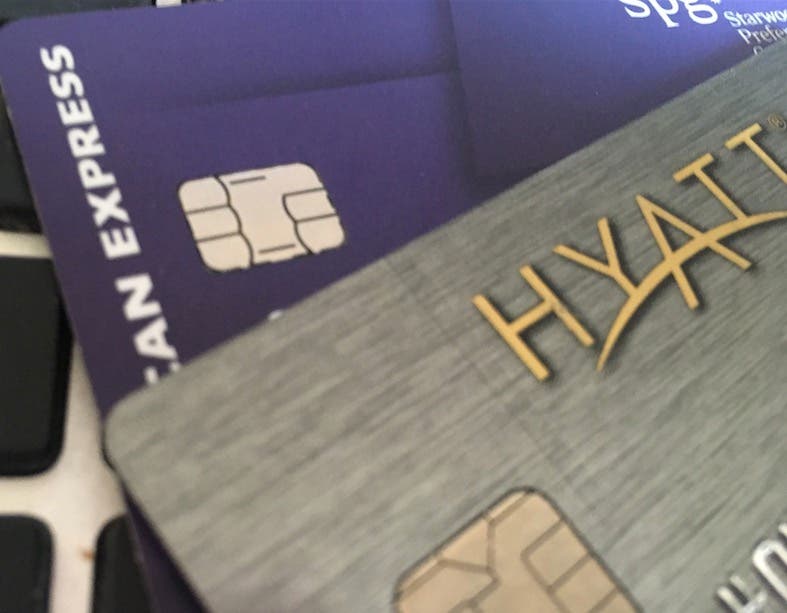
Have a new credit card with a shiny EMV chip on it?
They offer better security than traditional magnetic strip credit cards, but microchip-based cards are still vulnerable to fraud and state officials are also warning of a new phishing scam involving the cards.
Scammers, pretending to be credit card issuers, are sending fake emails targeting individuals who haven’t yet received their new chip cards, the New York State Department of State’s Division of Consumer Protection (DCP) says.
The emails claim that that in order to issue a new card, you need to update your account by providing personal information or clicking on a link to continue the process. By clicking on the link, malware can be installed on your computer or mobile device.
According to the DCP, EMV chip cards that require a personal identification number (PIN) to be entered at the point of sale to make a purchase are the most secure, also known as “chip-and-PIN” cards. However, not all EMV chip cards are issued with a PIN, and not all stores are equipped to accept EMV chip cards that require a PIN to be entered. In fact, most EMV chip cards in the U.S. require only a signature to complete the purchase, known as “chip-and -signature” cards.
Therefore, if your EMV chip and signature card is physically stolen, it is as vulnerable to fraudulent use as the traditional magnetic strip card. None of the EMV chip cards prevent fraudulent use of your credit card for purchases online, by telephone, or for any transaction where your card is not physically present at the point of sale.
The DCP offers the following tips for chip card users to protect themselves:
- Activate and sign your card as soon as you receive it in the mail.
- Protect your PIN number. Make sure you are shielded when you enter your PIN on the keypad.
- Don’t respond to an email or phone call that asks you to provide your card number or other personal information to receive your EMV chip card. There is no reason your card issuer needs to contact you by email or by phone, to confirm personal information before sending you a new card.
- Don’t trust links in unsolicited emails. If you’re not sure if the email is a scam, contact the card issuer using the phone number on the back of the card.
- Check your bank and credit card statements regularly for suspicious activity or other signs of fraud. Be sure to look for small charges, which may indicate a criminal checking to see whether your account is still active.
- Review your credit report periodically for inaccuracies.
Get more local news delivered straight to your inbox. Sign up for free Patch newsletters and alerts.