Health & Fitness
Antibody Tests Positive For 15 Percent In Midtown, Hell's Kitchen
New data shows Hell's Kitchen and Central Midtown residents tested positive for COVID-19 antibodies at higher rates than on the East Side.


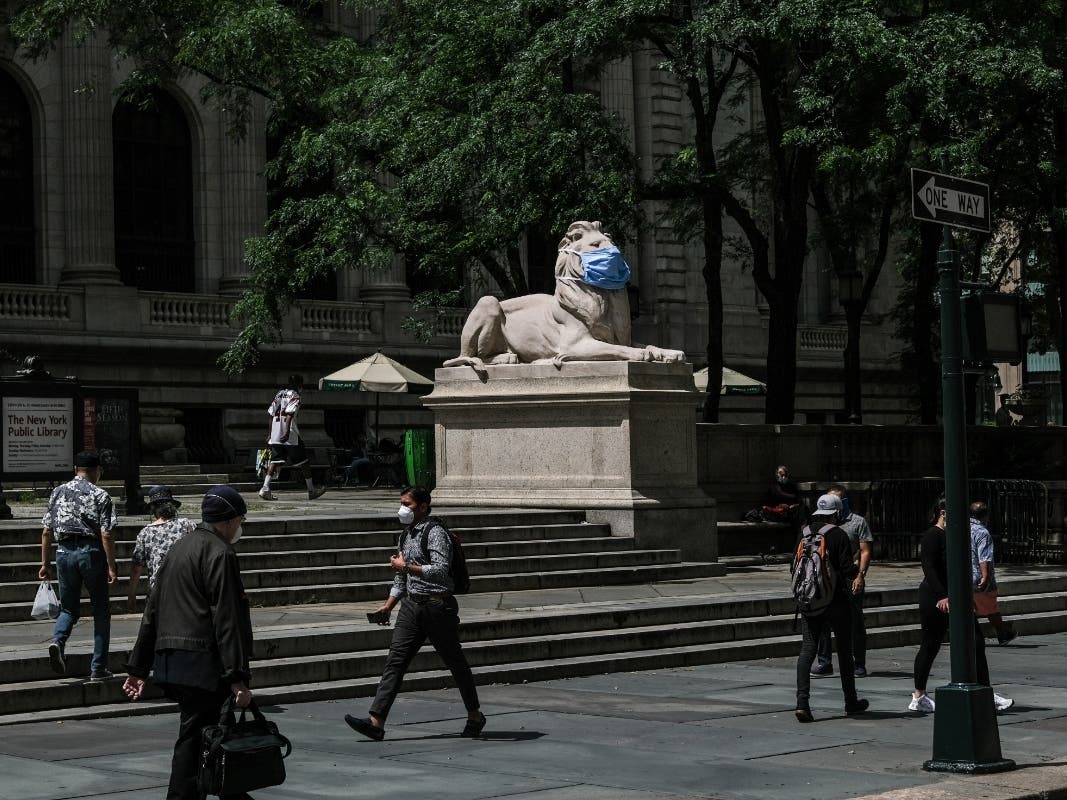
MIDTOWN MANHATTAN, NY — About 15 percent of residents in Midtown Manhattan and Hell's Kitchen tested for antibodies showed signs that they were previously infected with the coronavirus that causes COVID-19, according to new city data.
Of the 59,463 residents in the seven ZIP codes that make up the neighborhoods, roughly 15.6 percent tested positive, according to data released by the Department of Health on Tuesday.
Residents of Hell's Kitchen and Central Midtown were slightly more likely to test positive than those on the East Side, the data shows.
Find out what's happening in Midtown-Hell's Kitchenfor free with the latest updates from Patch.
Antibody tests came back positive for about 16.9 percent of those tested in the four West Side ZIP codes, while about 14 percent tested positive in the three ZIP codes making up Midtown East, Murray Hill and Kips Bay.
Citywide, Manhattan had the lowest rate of positive tests out of all five boroughs, with about 19 percent of tests coming back positive. The Bronx had the highest rate, at about 33 percent.
Find out what's happening in Midtown-Hell's Kitchenfor free with the latest updates from Patch.
Percent positive antibody tests by ZIP code:
- 10001: 16.2 percent (6,974 tested, 1,128 positive)
- 10016: 14.9 percent (13,401 tested, 2,002 positive)
- 10017: 13.1 percent (4,730 tested, 619 positive)
- 10018: 14.4 percent (4,099 tested, 591 positive)
- 10019: 16.4 percent (12,793 tested, 2,102 positive)
- 10022: 13.2 percent (9,269 tested, 1,222 positive)
- 10036: 19.6 percent (8,197 tested, 1,604 positive)
The antibody tests, or serology tests, indicate whether a person may have been exposed to the coronavirus by measuring their bloodstream for signs that their immune system produced proteins, called antibodies, to fight off the virus.
Mayor Bill de Blasio announced Tuesday that the city's website for coronavirus data would start including the results of antibody tests, but experts warn that such data should be taken with a grain of salt.
First, antibody test results aren't always accurate.
Positive tests results could mean the person has antibodies from an infection with a virus in the same family as the coronavirus, according to the U.S. Centers for Disease Control and Prevention. The chance of receiving a false negative can be as high as 30 percent, depending on when the test is conducted, according to a Harvard Medical School blog post.
The data also may not accurately reflect the prevalence of antibodies among all neighborhood residents or New York City residents, because people who have been ill with COVID-19 symptoms or were exposed to the virus may be likelier to seek out antibody testing, the city wrote in a disclaimer about the dataset.
"We will be the first jurisdiction in the nation to present our antibody data this way," de Blasio told reporters. "While there is still much to learn about the science of COVID-19 antibody testing, it is an important element to consider when understanding the epidemiology of COVID."
Patch reporter Maya Kaufman contributed to this report.
Get more local news delivered straight to your inbox. Sign up for free Patch newsletters and alerts.