Arts & Entertainment
Rockland Foragers Combine Fun and Learning
Paul Tappenden, along with Brooke Smokelin and Adrienne Gomez, held the Hudson Valley Ramble, a workshop on identifying wild edibles.


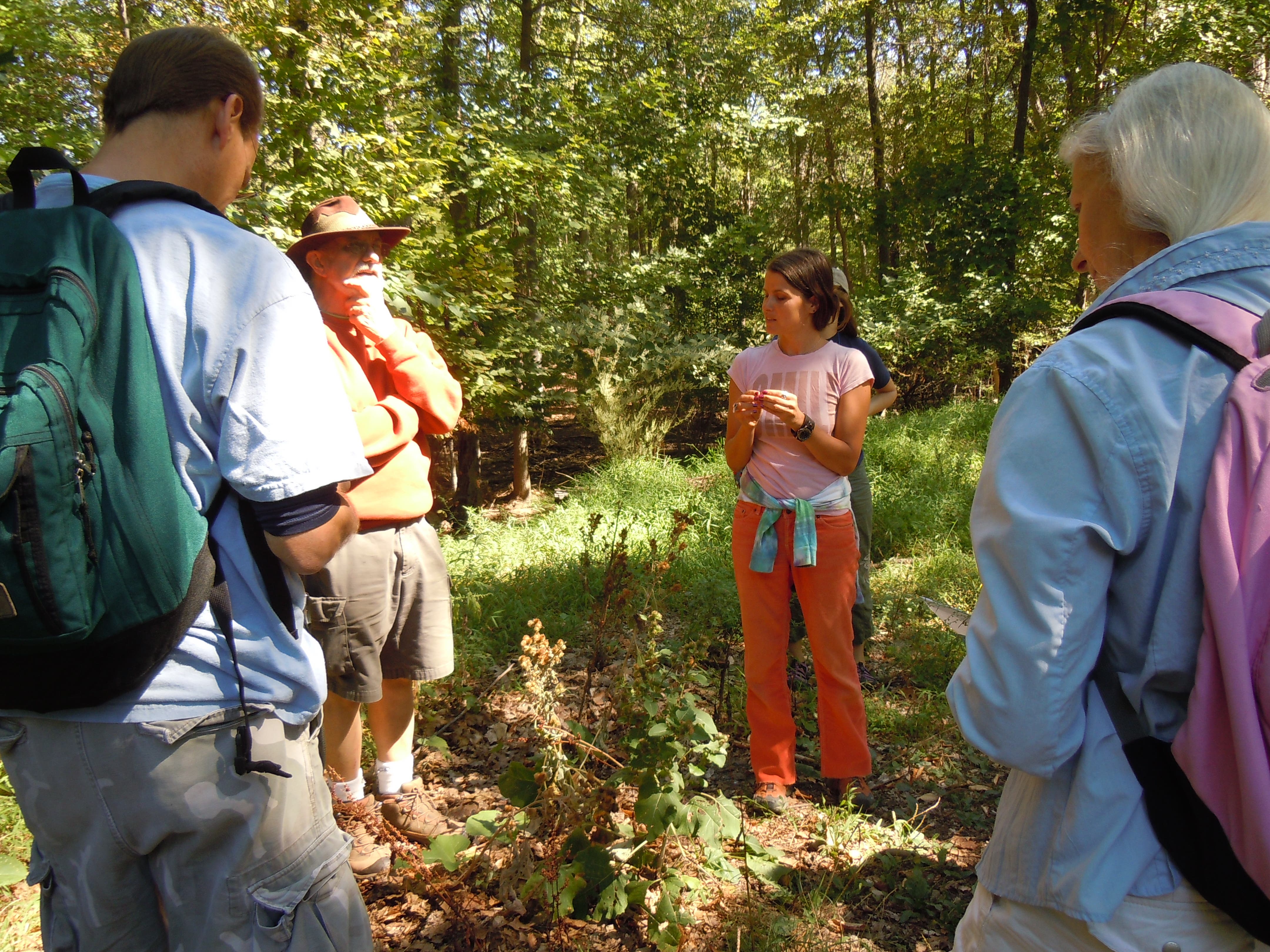


Everyone enjoyed yesterday's great weather differently. For a small group of people, they took advantage of the outdoors at the Hudson Valley Ramble. Hosted by Rockland Forager Paul Tappenden, along with Brooke Smokelin and Adrienne Gomez, this workshop showed people how to identify wild edibles.
On top of identifying them, Tappenden, Smokelin and Gomez also showed different ways to use the plants, historical and cultural uses, and different cooking ideas for each plant. They explained how the plants were used in other times and cultures, such as how the Italians, Chinese and Native Americans use specific plants and why.
Tappenden started off the worshop with an explanation of the Mugwort plant. He gave quick facts about it, such as the fact that Mugwort used to be used to flavor beer. Gomez chimed in by saying that she uses oil and vinegar as one of the ways to break down the plant and extract its nutrients.
Find out what's happening in Nanuetfor free with the latest updates from Patch.
"The drying process also lets you access the nutrients in the plant," Gomez said.
"It's a bitter plant," Tappenden said. "You have to get used to the bitterness." Smokelin added that people's palates and tastes have narrowed over time and learned to associate certain tastes as bad, such as the bitter Mugwort.
Find out what's happening in Nanuetfor free with the latest updates from Patch.
"We are broadening you palate," Smokelin said. "You're starting to form a new relationship with nature. Taste being one, nutrients being another."
Those that came were equipped with a notebook and a plastic bag for collecting plant samples.
One first-timer, Lynwa Kreimann, thoroughly liked the workshop.
"I like the way it's presented," she said. "I enjoy hwo they're showing the scientific side and the edible side, the folklore and history. It's very well-rounded."
The group moved on to Budock and Plantain with a synopsis of its cultural uses, history, similar-looking plants, medicinal purposes and other unique, but useful tips on the plants. For example, Burdock has also been called elephant ears and Tappenden recommendds using its roots for roasting; Plantain was equated to "Nature's Neosporin" because when applied to a cut, it "has healing properties" and its fibers help seal up small open cuts, said Smokelin.
Get more local news delivered straight to your inbox. Sign up for free Patch newsletters and alerts.