Neighbor News
Benefits of a Green Roof
Not only does a green roof benefit the environment, but it can also increase property values for the owner.

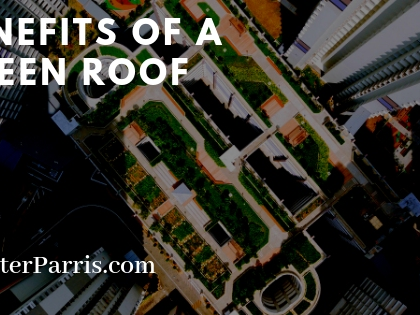
There’s been so much in the news lately about climate change and the need to move to renewable energy sources. Technological advancements have allowed our homes not only to be smart, but homes can also be designed with the environment and energy efficiency in mind. One innovation that seeks to address environmental issues is the green or “living” roof. A green roof is an eco-friendly attribute that is becoming more and more popular, particularly in urban areas. But why? Not only does a green roof benefit the environment, but it can also increase property values for the owner. Let’s take a look at the benefits that a living roof can provide.
Environmental Benefits
Stormwater Management: One of the major environmental benefits of a green roof is that it helps to manage stormwater runoff. Urban and suburban areas often have an abundance of concrete or paved surfaces prevent the ground from absorbing stormwater. As a result, the excess water ends up in nearby bodies of water such as rivers, lakes, and streams filling them with pollutants like oil and fertilizer damaging the water quality. According to the U.S. General Services Administration, “Green roofs can reduce the flow of stormwater from a roof by up to 65% and delay the flow rate by up to three hours.”
Habitat Biodiversity: A green roof can provide a diverse habitat for plants and animals. Particularly in urban areas, where the natural habitat of plants and animals has been destroyed, this can be beneficial. Biodiversity helps to maintain a healthy ecosystem where all living things can thrive attracting a variety of birds, bees, and other insects.
Heat and Energy Reduction: Asphalt and concrete also tend to trap solar radiation meaning they retain heat. Green roofs can help to mitigate this heat retention. As a result, green roofs can help decrease building energy consumption by providing shading and cooling the roof. The vegetation acts as a natural insulator so not as much energy is wasted in heating and cooling the building. According to the National Research Council of Canada, “even a six-inch extensive green roof can reduce summer energy demands by more than 75 percent.”
Financial Benefits
Life-Span of the Roof: You may be surprised to learn that green roofs last longer than conventional roofs. This is because the vegetation acts as a barrier to ultraviolet radiation and temperature fluctuations which cause roofs to break down over time.
Mitigate Flooding: Green roofs can help to protect and alleviate flooding caused by natural disasters. By soaking up rainwater, green roofs can prevent excess water from flowing into the sewers. Older sewer infrastructures are often not able to keep up with the increase and as a result, they overflow into the streets. Flooding means a loss in productivity, not to mention damage to public and private property.
Aesthetics: Living roofs look amazing! Most people enjoy experiencing nature and an accessible green roof can allow them to do just that. In urban areas, having access to green space is a luxury that can add to the comfort and enjoyment of the people living in the building. Living roofs can also provide space for agriculture. Many rooftop gardens incorporate vegetables and herbs that can be harvested for use by the community.
The aesthetic of rooftop green spaces can not be underestimated. People want to live where they have access to everything including nature and urban properties can provide that. Global warming is an issue that we all need to confront and green roofs are just one potential solution. However, they’re a solution worthy of consideration for reasons beyond the environmental impact.