Neighbor News
Dr. Christian Hirsch on Recovering from Colorectal Surgery
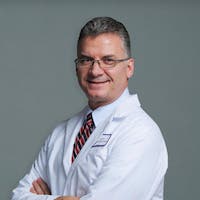
Dr. Christian Hirsch, a colorectal surgeon with NYU Langone Health, shares about recovering from colorectal surgery.

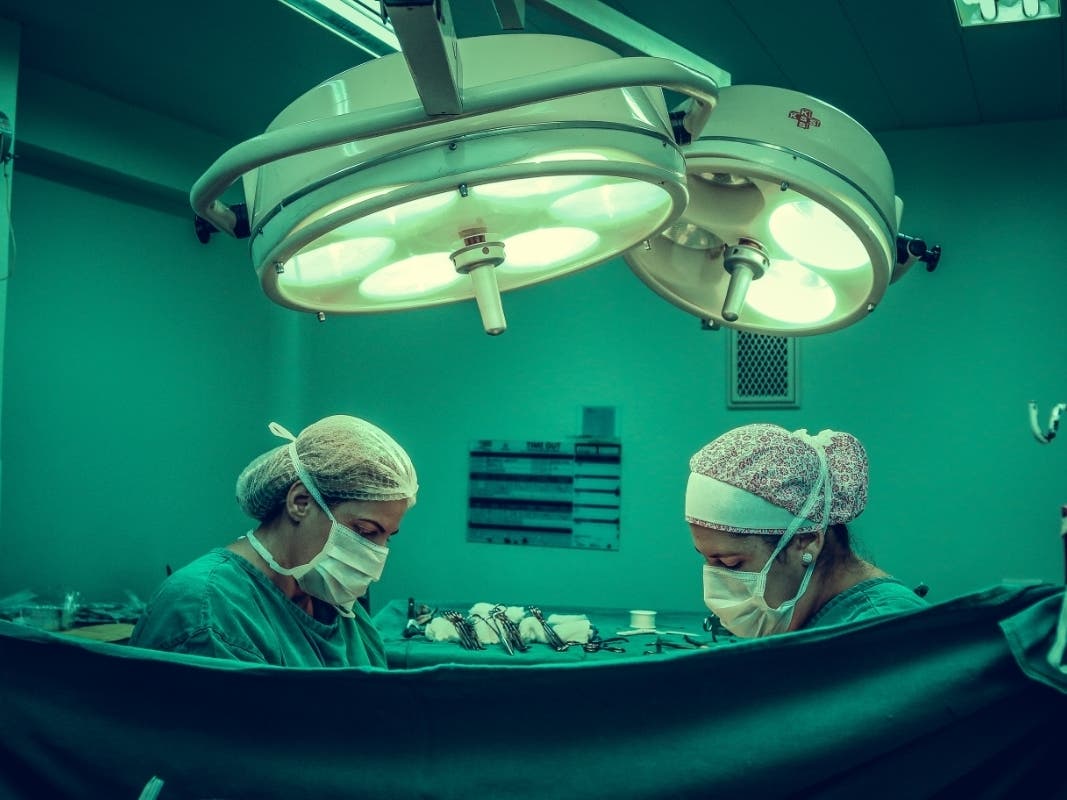
Going through colorectal surgery is a complex process. Not only do you have to prepare for your surgery, but you also have to recover after your procedure. Although it’s very important to follow your doctor’s exact instructions because every individual is different, the following are some of the norms for the post surgery recovery process.
The First Few Days
Normally after surgery you’ll be kept in the hospital for a few days. Most of the time you are allowed to begin drinking liquids the morning after surgery. After you’ve had a bowel movement you can start to eat solid food again.
Find out what's happening in New York Cityfor free with the latest updates from Patch.
Occasionally patients will feel nauseous or start to vomit. If this happens, they will have the nasogastric tube present during surgery reinserted. Should this happen to you, don’t be alarmed. Nausea and vomiting are common side effects of colorectal surgery. This happens because the anesthesia used during surgery may cause your intestines to become temporarily disabled. To help combat this, your food and liquid intake is closely monitored.
Movement
Find out what's happening in New York Cityfor free with the latest updates from Patch.
Most of the time, your surgeon will encourage you to get out of the bed the first day after surgery. The more you move around, the less at risk you will be for complications such as blood clots and pneumonia.
Your surgeon will also suggest that you slowly increase your level of physical activity once you return home. Walking is a great way to slowly strengthen your muscles and keep your blood circulating to avoid blood clots. If you exercised consistently before your surgery, you can slowly return to the habit once you feel comfortable. It’s a good idea, however, to avoid heavy exercise such as lifting and abdominal exercises for the first six weeks.
Healthy Eating at Home
Colorectal surgery changes the way the bowel functions. These changes may or may not be temporary. Surgery could cause swelling in the bowel. Food may pass more slowly through the colon, which leads to bloating. Changes in the way your bowel functions may lead to loose, watery stools.
After surgery, you should stick to a soft diet. A soft diet includes almost everything except for raw fruits and vegetables. A dietician can give you more specific information and guidelines. You should follow this diet at least until your first follow-up visit with you doctor.
Remember, every individual and their reaction to surgery is different. These are good guidelines to start with, but you should still consult your surgeon for further advice.
This article was originally published on DrChristianHirsch.com.
Dr. Christian Hirsch is a colorectal surgeon located in New York City. Today, he works with NYU Langone Health. He has a variety of specialties including colorectal surgery, gastrointestinal surgery, abdomen surgery, minimally invasive surgery, and stomach cancer. He also works to treat colorectal cancer and colon cancer. Dr. Hirsch does more than help his patients heal; he also works as an Assistant Professor in NYU Langone Health’s Department of Surgery. He works hard to prioritize efficient and empathetic care for his many patients. Dr. Christian Hirsch is more concerned about his patients than creating a legacy for himself.
Learn more at DrChristianHirsch.org.