Health & Fitness
Flu Cases Spike Across NYC: See Rates By Neighborhood
Influenza cases nearly quadrupled from September to Oct. 24 in New York City.


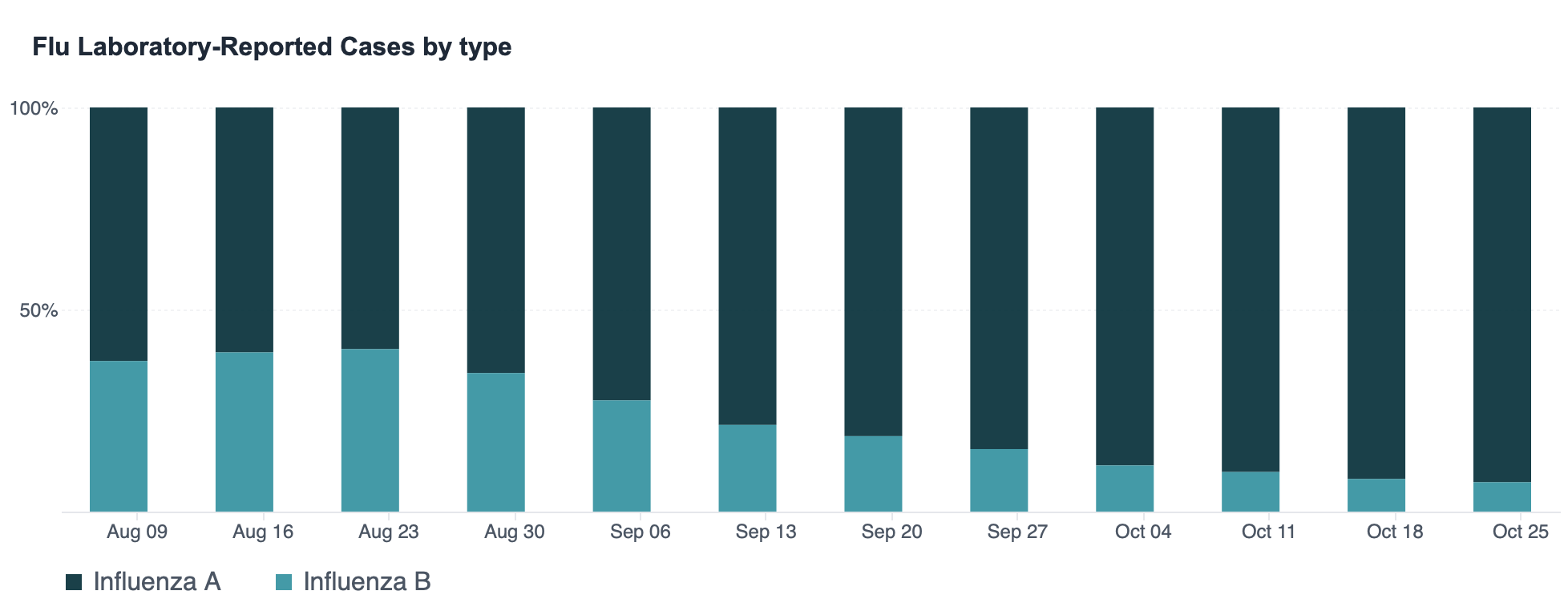
NEW YORK CITY—The City entered the fall flu season with infections rising sharply, as reported influenza cases increased nearly quadrupled from September to Oct. 24, according to city data.
Influenza A H1 cases climbed to 498 for the week ending Oct. 24, up from a September weekly average of 57.
Cases of influenza A that laboratories did not further classify rose to 1,583, compared with a September average of 395.
Find out what's happening in New York Cityfor free with the latest updates from Patch.
Influenza B cases increased to 164 from a September average of 112, while influenza A H3 cases remained relatively stable, rising to 12 from an average of 10.
How Can You Tell The Difference Between The Flu, A Cold And Allergies?
A cold typically develops gradually, with congestion and sneezing. Flu symptoms often arrive suddenly and include fever, chills and body aches.
Find out what's happening in New York Cityfor free with the latest updates from Patch.
Allergies can cause clear nasal drainage and itchy eyes, but generally do not cause fever.
COVID-19 can produce symptoms similar to those of a cold or the flu, according to Neal Shipley, medical director of Northwell Health-GoHealthUrgent Care.
People also can experience more than one condition at once, such as allergies alongside a viral infection, making symptoms harder to identify.
People who develop sudden fever, chills and body aches should consider testing for influenza or COVID-19 early, particularly if they face a higher risk of severe illness.
People with mild symptoms can often recover at home with rest, fluids and over-the-counter medication.
Difficulty breathing, chest pain, severe weakness, confusion, sudden changes in mental status or severe dehydrationrequire emergency medical care.
Adults over 65, children under 4, pregnant women and people with conditions such as asthma or heart disease face a greater risk of complications from respiratory infections.
How Can New Yorkers Prevent Illness?
Flu and COVID-19 vaccines can reduce the risk of severe illness, complications and hospitalization, Shipley said.
Zinc and vitamin C offer limited benefits once a cold begins.
A 2024 Cochrane review found oral zinc may shorten a cold by about two days, although researchers described the evidence as uncertain.
Regular vitamin C use does not prevent colds for most people, but it may modestly shorten their duration.
Keeping basic supplies at home, including a thermometer, saline spray, cough drops and fever-reducing medication, can help families manage mild symptoms.
Frequent handwashing and disinfecting shared surfaces and electronics, including phones and television remotes, can also help limit the spread of infections.
“Stay home when you're sick, since even mild symptoms can spread quickly,” Shipley said.
Flu Cases By New York City Area
Cases per 100,000 people for the week ending Oct. 24. The citywide rate is 29.30 cases.
| Neighborhood | Cases per 100,000 |
|---|---|
| Borough Park | 59.13 |
| Gramercy Park/Murray Hill | 50.47 |
| Upper East Side | 50.47 |
| Greenwich Village/Soho | 44.20 |
| Downtown/Heights/Slope | 36.20 |
| Greenpoint | 35.62 |
| East Flatbush/Flatbush | 32.83 |
| Coney Island/Sheepshead Bay | 31.55 |
| Sunset Park | 31.09 |
| Long Island City/Astoria | 30.11 |
| Williamsburg/Bushwick | 27.35 |
| Central Harlem/Morningside Heights | 28.29 |
| West Queens | 26.46 |
| Bedford-Stuyvesant/Crown Heights | 25.68 |
| Ridgewood/Forest Hills | 24.72 |
| Washington Heights/Inwood | 24.11 |
| Union Square/Lower East Side | 23.98 |
| Lower Manhattan | 23.98 |
| Bensonhurst/Bay Ridge | 23.56 |
| Upper West Side | 21.42 |
Get more local news delivered straight to your inbox. Sign up for free Patch newsletters and alerts.