Politics & Government
Mamdani Vetoes NYC Protest Bill
Mayor blocks one buffer zone bill over constitutional concerns while allowing a narrower measure tied to houses of worship.


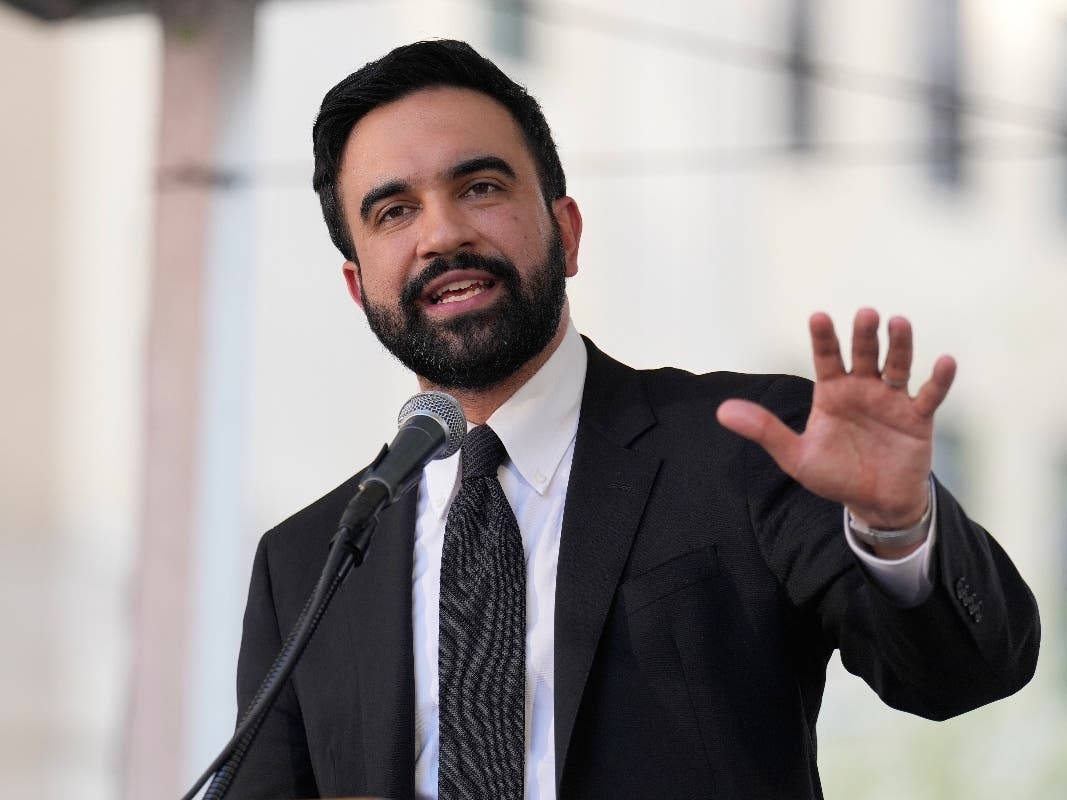
NEW YORK, NY — Zohran Mamdani vetoed a City Council bill that would have restricted protests near schools while allowing a separate measure focused on houses of worship to become law.
The decision follows the Council’s passage of two “buffer zone” bills aimed at regulating demonstrations near sensitive sites.
Mamdani said the bills differed significantly in scope and legal risk.
Find out what's happening in New York Cityfor free with the latest updates from Patch.
The mayor allowed Intro. 1-B, which applies to houses of worship, to take effect.
The law requires the New York Police Department to document and publish its approach to handling protests that could involve obstruction, intimidation or injury near religious institutions.
Find out what's happening in New York Cityfor free with the latest updates from Patch.
“The final version of the bill that passed is narrower in scope and effect,” Mamdani said. “I do not believe it poses the same risks it once did.”
The measure stops short of imposing fixed protest perimeters.
Instead, it mandates planning and transparency, including guidance on when and how police may establish security zones and how they communicate with the public and religious leaders.
Mamdani, however, rejected Intro. 175-B, which would have required similar plans for protests near schools and other educational institutions.
He cited the bill’s broad definition of what qualifies as an educational facility.
“As the bill is written, everywhere from universities to museums to teaching hospitals could face restrictions,” he said.
He warned that the proposal could affect a wide range of demonstrations, including labor actions, immigration protests and student activism.
“This could impact workers protesting ICE, or college students demanding their school divest from fossil fuels or demonstrating in support of Palestinian rights,” Mamdani said.
City Council leaders had framed the legislation as part of a broader effort to address rising hate incidents, particularly antisemitism. According to police data, antisemitic incidents accounted for a majority of reported hate crimes in the city in 2025.
The legislation followed a series of protests on the Upper East Side, where demonstrations outside synagogues drew complaints over blocked access and heightened tensions, prompting calls for clearer rules around protest activity near sensitive sites.
Speaker Julie Menin, who sponsored Intro. 1-B, said the measure aims to balance safety and free speech by requiring transparency in how police respond to protests.
“This legislative package strengthens transparency, improves coordination, and ensures safe access while fully safeguarding First Amendment rights," Menin said. "We must protect freedom of religion and freedom of education while upholding the sacrosanct First Amendment rights that define our city.”
The legislative package also includes measures unrelated to protest zones, including a requirement that the Department of Education distribute materials on the risks of online hate and misinformation, and the creation of a hotline to report discriminatory harassment through the city’s human rights commission.
What To Know About NYC’s Protest Bills
What Intro. 1-B Does
- Requires the New York Police Department to create and publish plans for handling protests near houses of worship.
- Focuses on risks like obstruction, intimidation, or injury.
- Includes guidelines on when police may set security perimeters.
- Mandates communication with the public and religious leaders.
- Does not automatically create fixed protest-free zones.
Why The Mayor Approved It
- Narrower scope after revisions.
- Emphasizes transparency rather than restrictions.
What Intro. 175-B Would Have Done
- Required similar NYPD plans for protests near schools and other educational sites.
- Applied broadly to places including universities, museums, and teaching hospitals.
Why It Was Vetoed
- Deemed too broad in defining “educational institutions.”
- Raised concerns about limiting First Amendment rights.
- Could affect protests tied to labor, immigration, and student activism.
What Happens Next
- Intro. 1-B moves forward, with NYPD plans required within set deadlines.
- Intro. 175-B does not take effect unless overridden or reworked.
Get more local news delivered straight to your inbox. Sign up for free Patch newsletters and alerts.