Health & Fitness
Nearly 1 In 4 NYC Transit Workers Have Had Coronavirus: Survey
NYU scientists found of 640 responding union workers, 90 percent feared getting sick during a pandemic that has killed 130 MTA employees.


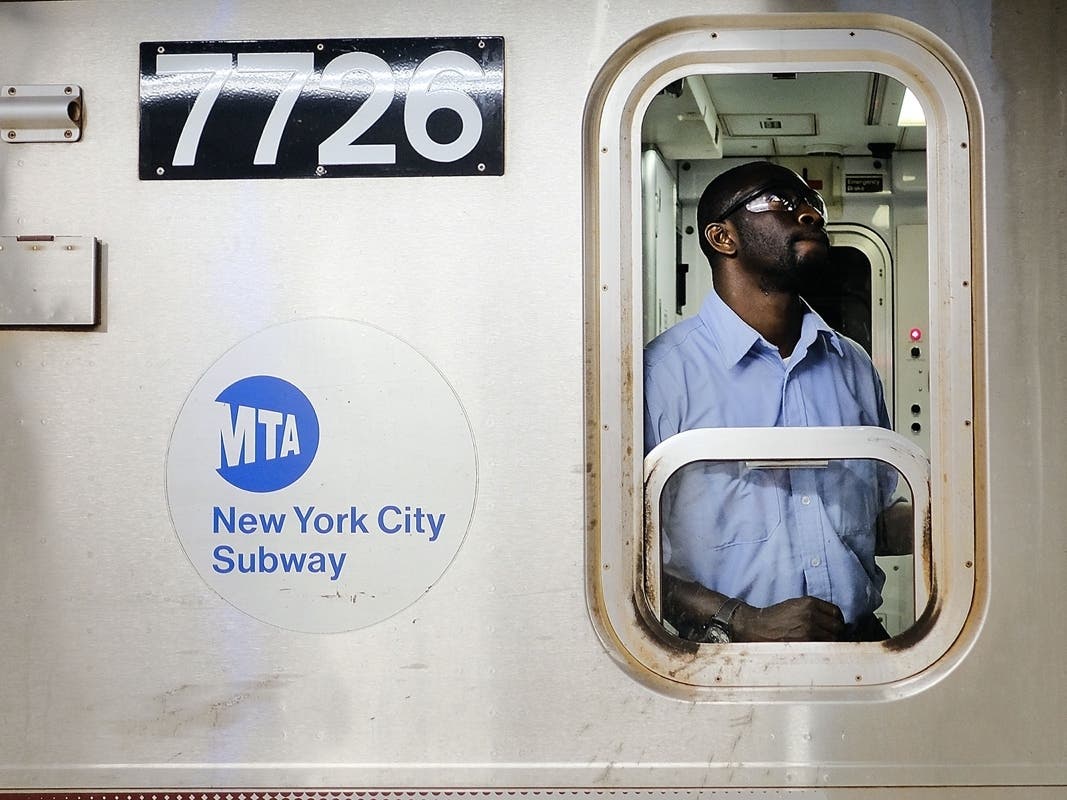
NEW YORK CITY – Nearly 24 percent of the New York’s public transit workers have contracted the coronavirus at some point since the pandemic began, according to a survey of more than 600 unionized workers.
The survey discovered that of the Transport Workers Union Local 100 workers who reported anonymously that they had tested positive, many do not live in areas with high infection rates, which suggests workers contracted the virus while on the job, union officials reported on Tuesday.
Scientists at New York University conducted the survey, which was commissioned by Local Union 100 officials. They study, which investigated the coronavirus’ impact on transit workers, also found that 90 percent of workers feared becoming sick while on the job while 70 percent were afraid for their safety while dealing with angry or violent residents because of transit workers being asked to enforce mask requirements.
Find out what's happening in New York Cityfor free with the latest updates from Patch.
“We put the city on our shoulders when the pandemic hit, and we are still carrying it forward,” Local 100 President Tony Utano said in a statement. “It has been a heavy burden. There are now more protective measures against the virus in place than when the crisis erupted, but we can’t let up. We need stay vigilant and push forward with new and better ways to defend our blue-collar heroes still moving millions of riders a day.”
Utano also said transit workers should get priority when there is an approved vaccine. According to a news release issued by NYU officials announcing the results of the survey, officials said that many transit workers continued to report to work at a time when transit ridership was down because of the pandemic. In doing so, their contact with the public and fellow employees while in limited workspace put them higher at risk of testing positive, the study showed.
Find out what's happening in New York Cityfor free with the latest updates from Patch.
Asked about the risk that essential workers face in New York City Mayor Bill de Blasio said that transit workers played a key role in making sure other frontline employees could get where they needed to get during the coronavirus crisis.
"So the transit workers played a really heroic role, but we do need to look really carefully at what the lasting impact is and support people," de Blasio said during his daily media briefing on Tuesday. "Right now we're obviously trying to overcome the crisis in front of us, but I think you're right, that this is going to be an important issue going forward in the city."
In a statement sent to Patch on Wednesday. MTA spokeswoman Abbey Collins characterized the survey as a poll rather than a study and said it only included those workers who were motivated to participate.
"The facts are these: the MTA’s overall COVID infection rate for transit workers is approximately 7%. Both city and state antibody testing results are nearly four times as high – with up to 27% of the overall population," Collins said in the statement. "The self-reported nature of this poll would unquestionably also drive the numbers higher. We hope any future ‘study’ is based on science, data and facts as the MTA’s highest priority remains the safety of our workforce.”
The NYU study reported that more than 130 MTA employees have died because of the coronavirus, including 90 from Local 100. Less than a third of respondents plan to take a COVID-19 vaccine when it becomes available while 38 percent said they were unsure they would take it while 32 percent said they would not take it.
The main reason for workers saying they would not take it, officials said, was because they do not trust the vaccine’s safety.
More than 60 percent of those who responded to the survey said they admitted feeling nervous, anxious, on-edge, and cannot control worrying while smaller percentages said they experienced depression or trouble sleeping.
“Our findings on workers’ anxiety are concerning, given that we conducted the survey in August, months after the peak of the pandemic in New York City,” said Robyn Gershon, clinical professor of epidemiology at NYU School of Global Public Health, who led the research project at NYU.
Get more local news delivered straight to your inbox. Sign up for free Patch newsletters and alerts.