Arts & Entertainment
NYC Arts Sector Lost 66% Of Jobs During Coronavirus: Study
Arts, entertainment and recreation jobs losses in COVID-19 lockdowns were the worst in New York City and never rebounded, a new study found.


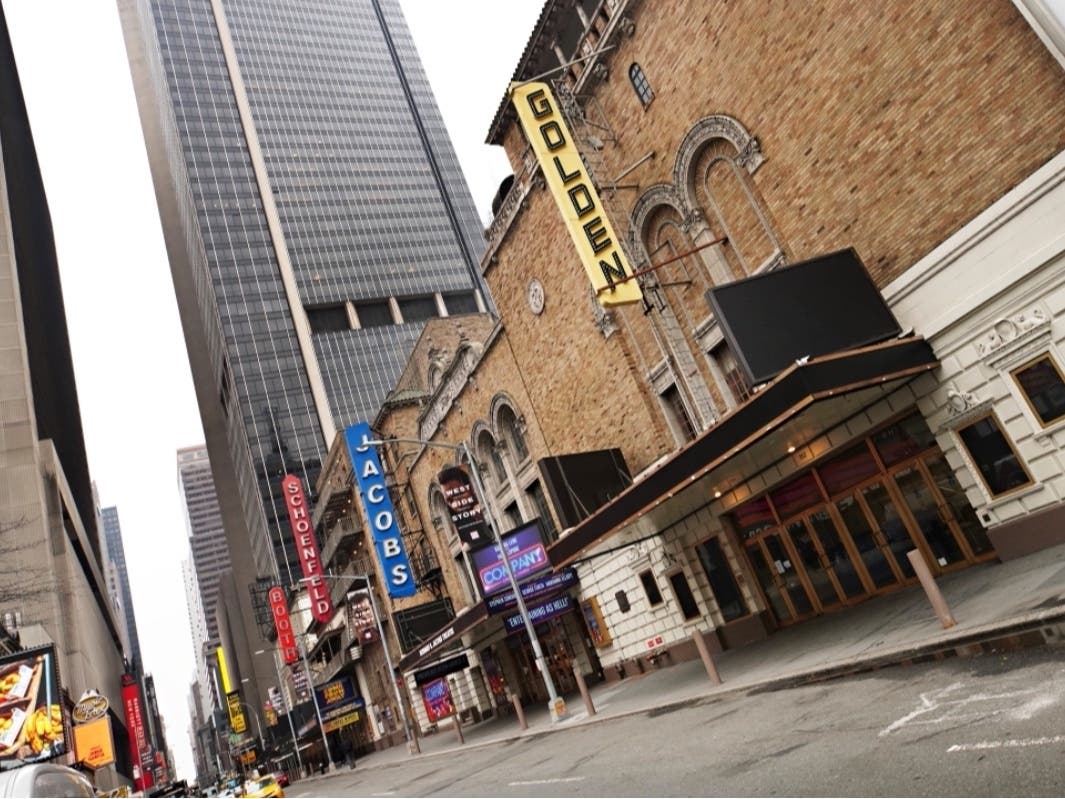
NEW YORK CITY — The curtain fell on New York City’s arts and entertainment scenes as the coronavirus hit and never lifted, a new study found.
The city’s creative and recreation sectors lost about 53,000 jobs — a 66 percent decline — in a matter of days after a stay-at-home order went into effect, according to a study by state Comptroller Thomas Dinapoli.
The study — “Arts, Entertainment and Recreation in New York City: Recent Trends and Impact of COVID-19” — details the pandemic’s unique burden for the city’s arts scene.
Find out what's happening in New York Cityfor free with the latest updates from Patch.
Gathering for a shared experience in a theater, music venue or gallery is both the lifeblood of the arts and impossible under coronavirus safety standards, the study notes.
Find out what's happening in New York Cityfor free with the latest updates from Patch.
“Arts and recreation face an uphill climb to recover from the damage wrought,” the study states. “This sector is the only major employment sector in New York City that remains below half of its pre-pandemic employment levels.”
Lawmakers have recognized the pandemic’s impact on the city’s creative sector.
Congress tied funding for shuttered Broadway theaters into a proposed stimulus package. Gov. Andrew Cuomo and Mayor Bill de Blasio outlined dual — or perhaps dueling, given their oft-antagonistic relationship — plans to revive live performances and in-person sports events
Aid of some form is desperately needed, the comptroller’s study found.
The sector employed roughly 87,000 people in February 2020 before falling to 34,000 after the lockdowns.
All but nine city neighborhoods had 1,000 people or more working in the sector, according to the study.
Get more local news delivered straight to your inbox. Sign up for free Patch newsletters and alerts.