Weather
3 NYC Snowfall Predictions For Winter 2026
A powerful El Niño could reshape New York City's winter, but forecasters warn of a major weather wildcard.


NEW YORK CITY— New York City could face a warmer winter, less snow and a late-season storm threat as a potentially historic El Niño reshapes weather patterns across the country.
The 2026-27 winter forecast from AccuWeather calls for 10 to 20 inches of snow in the City, down from the 43.4 inches recorded last winter. The National Oceanic and Atmospheric Administration also expects warmer-than-average temperatures and wetter-than-average conditions across much of the East Coast.
Here are three ways the strengthening climate pattern could affect New Yorkers between December and February.
Find out what's happening in New York Cityfor free with the latest updates from Patch.
1. A Warmer Winter Could Mean Less Snow
New Yorkers could see fewer snowy days as above-average temperatures make it harder for storms to deliver snow instead of rain or a wintry mix.
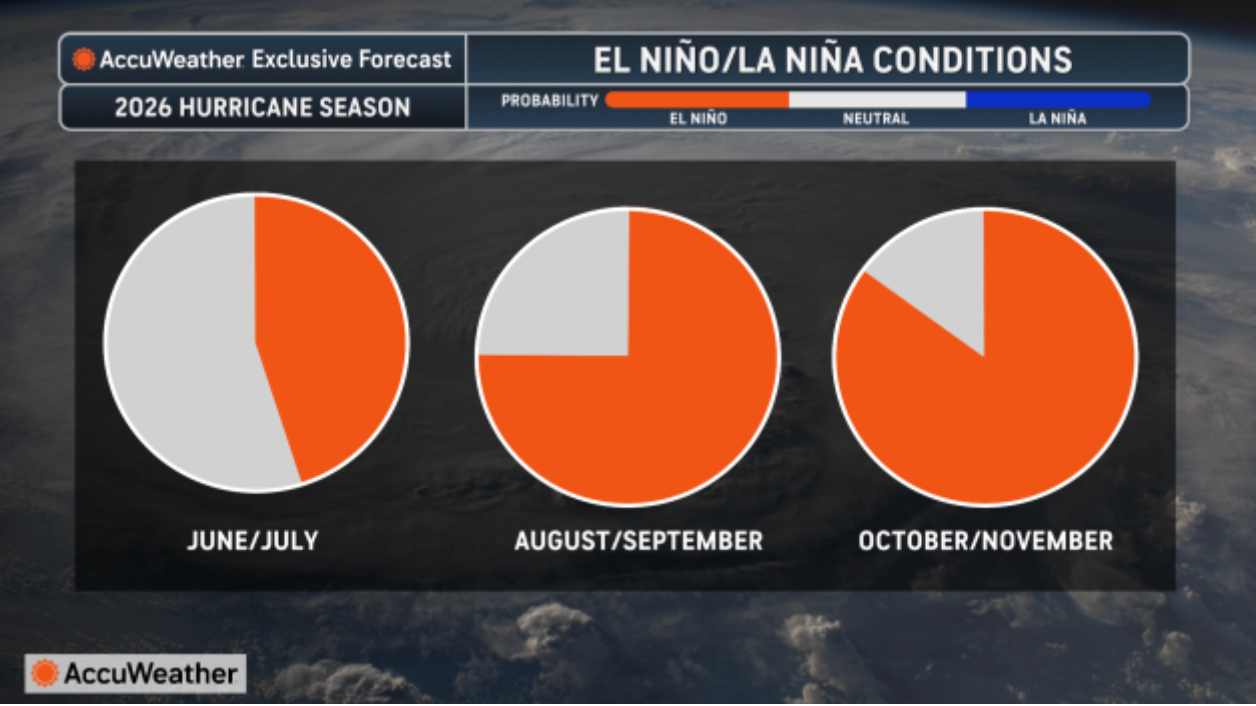
AccuWeather forecasts 10 to 20 inches of snow for the City this winter, compared with 43.4 inches last season.
Find out what's happening in New York Cityfor free with the latest updates from Patch.
The federal weather agency also favors warmer-than-average temperatures across the Northeast, although it does not predict specific snowfall totals for individual cities.
The forecast does not mean winter will feel mild every day. Arctic air outbreaks could still bring freezing temperatures, icy sidewalks and hazardous commutes.
2. More Precipitation Could Bring Rain And Flooding Risks
New York City could see a wetter-than-average winter, with more coastal storms bringing heavy rain and localized flooding.
The National Oceanic and Atmospheric Administration's winter outlook reports above-average precipitation along the East Coast from December through February.
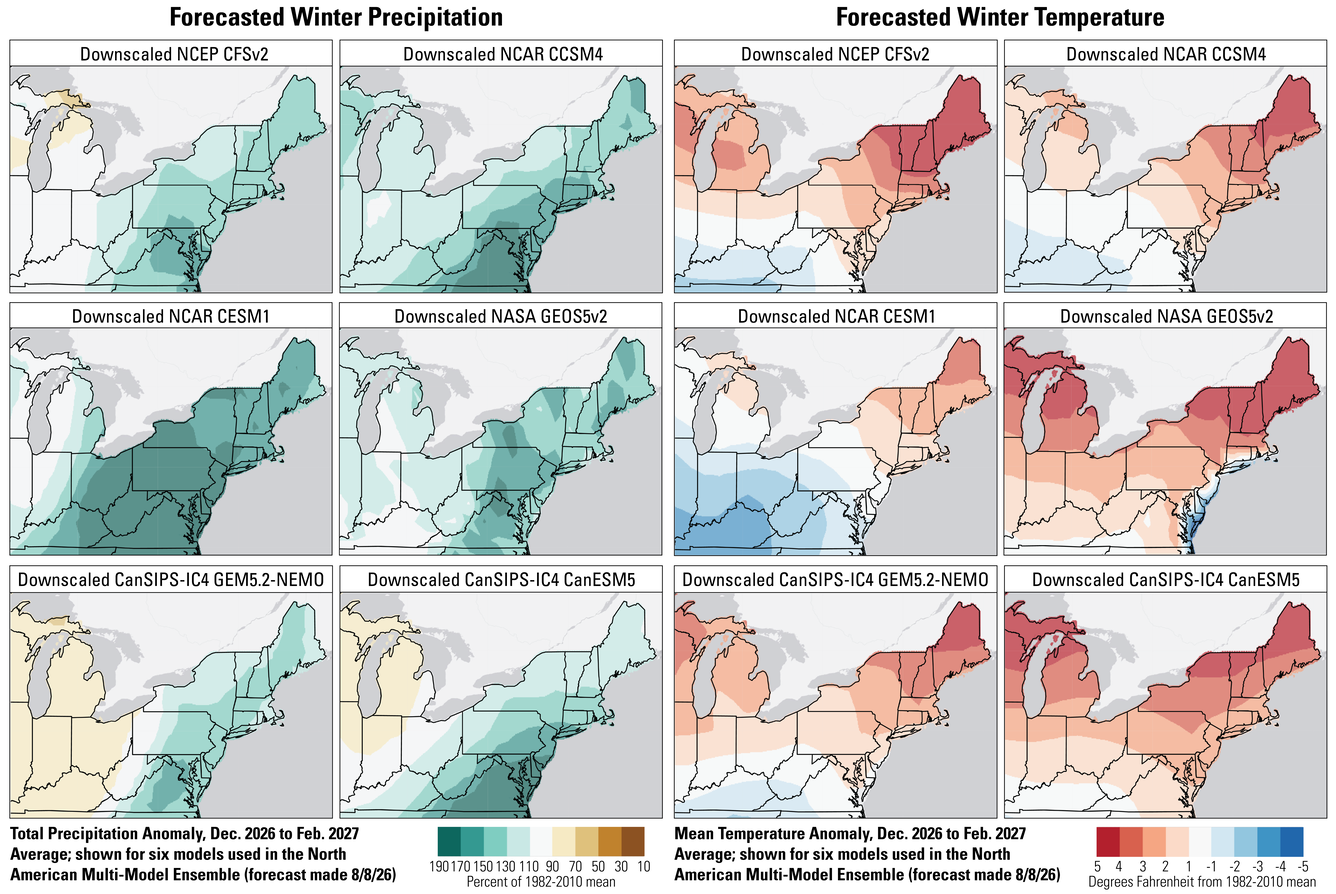
Forecast models for the Northeast also point toward a wetter winter, according to the U.S. Geological Survey, which studies the potential regional effects of the strengthening El Niño.
More coastal storms and nor’easters could increase the risk of water pooling on streets and localized flooding as rain moves through the region.
Warmer-than-average temperatures could make rain more likely during some storms, but they will not eliminate the threat of snow or ice. Each storm needs the right combination of track and cold air to produce wintry precipitation.
El Niño can shift the jet stream, steering storm systems toward the East Coast.
3. A Major Snowstorm Could Still Upend The Forecast
Even with lower seasonal snowfall predicted, New York City could still face a major winter storm later in the season.
AccuWeather identifies late January and February as periods to watch for significant East Coast snowstorms.
The amount of snow would depend on whether a storm tracks close enough to the City and whether sufficiently cold air remains in place.
The National Weather Service cautions that seasonal forecasts cannot reliably predict individual snowstorms or seasonal snowfall totals months in advance.
The World Meteorological Organization expects El Niño to strengthen further and persist through February 2027, with effects potentially continuing into spring. The organization described the event as “supersizing before our eyes.”
"This exceptional El Niño demands exceptional preparation and response," Celeste Saulo, WMO secretary-general, said.
Get more local news delivered straight to your inbox. Sign up for free Patch newsletters and alerts.