Weather
NYC Officials Warn of 'Dangerous Arctic Blast' Heading Toward City: Tips for Survival
New Yorkers should prepare for the coldest temperatures of winter so far, which could cause hypothermia and frostbite, city officials say.


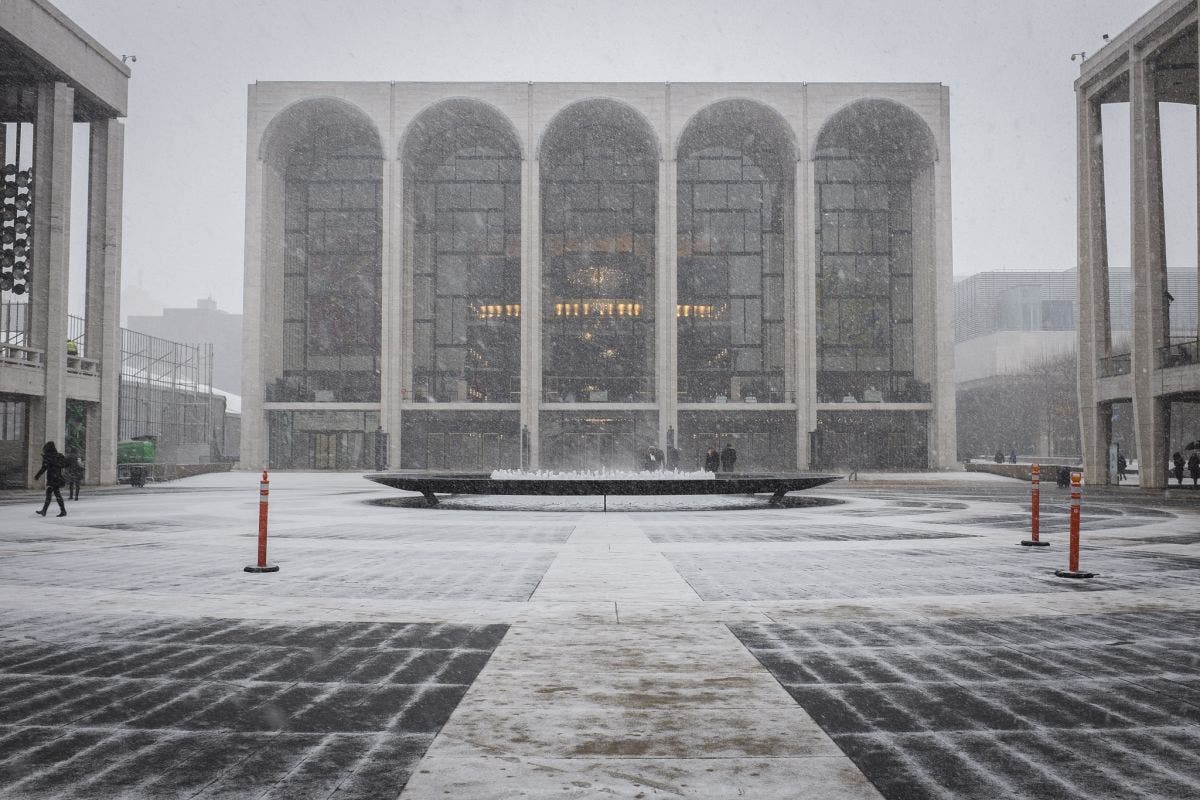
NEW YORK, NY — An arctic blast set to hit NYC on Thursday — bringing single-digit wind chills, snow showers and 30 mile-per-hour winds — will not be a winter wonderland, city officials warned New Yorkers on the eve of the blast.
“New York City is expecting the coldest temperatures and lowest wind chills of the season on Thursday and Friday,” NYC Emergency Management Commissioner Joseph Esposito said in a statement.
For updates on the cold front moving in, check out our up-to-the-minute NYC weather forecast. And if you haven't already, sign up here to receive email updates from your neighborhood Patch site.
Find out what's happening in New York Cityfor free with the latest updates from Patch.
“These temperatures will be dangerous for New Yorkers," Esposito said Wednesday. "During this blast of arctic cold, stay indoors, and if you have to go out, bundle up. Remember to check in on your family, neighbors, the elderly, or others with increased health risks to make sure they are protected from the extreme cold.”
City officials also released a list of safety tips to help New Yorkers avoid the dangers posed by such extreme cold, such as hypothermia, frostbite and the worsening of chronic heart and lung conditions. (Most at risk, officials said, are homeless people; resident living without heat; heavy drinkers; drug users; people over the age of 65; and people with limited mobility.)
Find out what's happening in New York Cityfor free with the latest updates from Patch.
Here are the city's tips for surviving the cold:
- Stay indoors as much as possible.
- If you have to go outdoors, wear dry, warm clothing and cover exposed skin. Keep fingertips, earlobes, and noses covered.
- Wear a hat, hood, or scarf, as most heat is lost through the head.
- Shivering is an important first sign that the body is losing heat. Shivering is a signal to return indoors.
- Drinking alcohol may make you think you feel warmer, but it actually increases your chances of hypothermia and frostbite.
- Follow your doctor’s advice about performing hard work in the cold if you have heart disease or high blood pressure. Cold weather puts an extra strain on the heart. Remember, your body is already working hard just to stay warm, so don’t overdo it.
- Workers in construction and utilities, and others who spend a lot of time outdoors are at risk for cold-related disorders. Employers should implement safe work practices, provide appropriate protective equipment, and train workers on health effects of cold weather, proper prevention techniques, and treatment of cold-related disorders.
If you see anyone potentially suffering from hypothermia or frostbite, call 911 for help, move them to a warm location, remove any damp clothing they may be wearing and cover them with warm blankets, the Emergency Management Department said.
Lead photo via Billie Grace Ward/Flickr
Get more local news delivered straight to your inbox. Sign up for free Patch newsletters and alerts.