Politics & Government
NYC Rent Board Approves Two-Year Rent Freeze
The freeze affects rent-stabilized units across the City.


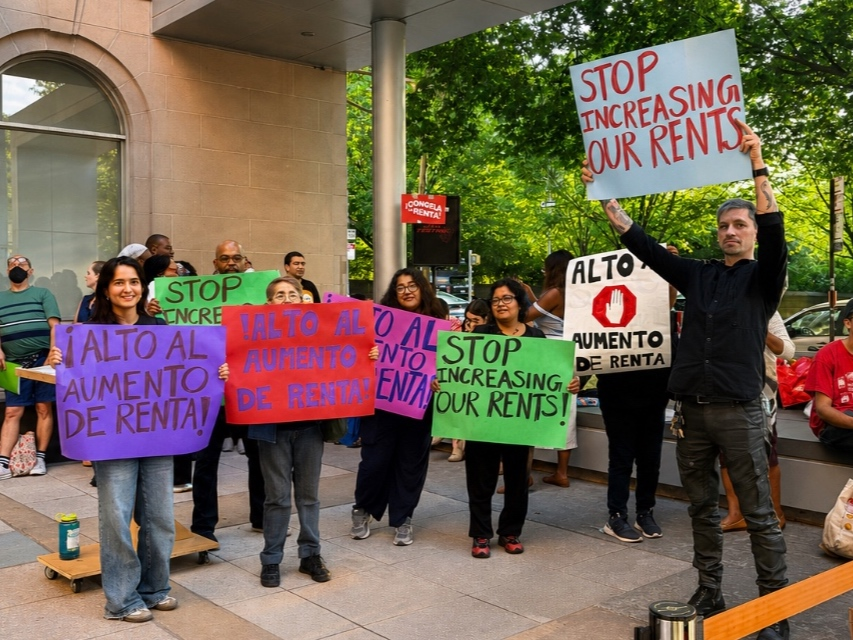
NEW YORK, NY — The Rent Guidelines Board voted Thursday night to approve a two-year rent freeze for the city’s rent-stabilized apartments, marking an unprecedented decision in the program’s history and affecting roughly one million households.
The board convened at El Museo del Barrio in East Harlem after months of public hearings and sharply divided testimony from tenants, landlords and housing advocates.
Owner representative Maksim Wynn was met with loud boos and chants from the audience as he began explaining his position on rent increases, forcing him to pause several times while speaking over the crowd.
Find out what's happening in New York Cityfor free with the latest updates from Patch.
The unprecedented rent freeze could have broader effects on New York City's housing market, he said.
Landlord groups have argued that without rent increases on stabilized units, owners may seek to offset rising operating costs by raising rents on market-rate apartments where possible, while others warn the policy could discourage investment in aging buildings.
Find out what's happening in New York Cityfor free with the latest updates from Patch.
Housing economists have said the long-term impact will depend on factors including vacancy rates, operating expenses and whether property owners can absorb the financial pressure without passing costs on to tenants in the unregulated market.
“I’m focused on reducing expenses rather than increasing rent,” he said.
The board voted 7-1 in favor of the rent freeze on Thursday night.
The boos immediately became cheers.
For Denise Garrison, a longtime Brooklyn tenant who has lived in the same apartment building for 16 years, the rent freeze could mean having an extra $20 left in her wallet.
Garrison said her rent has increased since the building changed ownership, and while the hikes have not been large, the rising cost of everything else has made it harder to get by.
She said remaining in New York is especially important because her son is on the autistic spectrum and relies on the City's resources and support services, making affordable housing critical for their family.
Christopher Espinoza, who lives in Upper Manhattan, said the rent freeze was a major victory for tenants.
Although he currently pays market-rate rent, Espinoza said he recently discovered his apartment had been illegally deregulated, prompting him and dozens of neighbors to form a tenant association to challenge their landlord.
He said the rent freeze would provide needed relief for working-class New Yorkers, many of whom spend more than half their income on housing.
"For many of us, rent in itself is 50, 60 percent — for many of us it's even 70 percent," Espinoza said.
Sandra Jean-bart, a Manhattan resident, said the decision brought immediate relief to families struggling with rising costs.
“This means that the rent hike is frozen, it’s closed for at least two years,” she said. “My son, who lives in a rent-stabilized apartment, he can buy food, he can entertain himself, he can buy clothes.”
Jean-bart said the impact extends beyond her household.
“My grandson, he doesn’t have to worry that his mom and his dad can’t pay the rent,” she said. “I’m very happy this happened. I fought for this, I knocked on doors, I got signatures.”
Pete Diaz, a longtime tenant rights advocate who said he has been fighting for housing protections since 1996, said the current affordability crisis reflects a pattern that has persisted for decades.
Tenant organizing in New York intensified in the late 1990s after state-level rent regulation changes and ongoing debates over rent stabilization rules, which advocates said weakened tenant protections and increased pressure on low- and middle-income renters.
Diaz said those conditions have continued to shape today’s housing landscape.
“For me personally, it’s affected me in the way because many of my friends have a very difficult time in paying their rent,” Diaz said. “It’s very hard.”
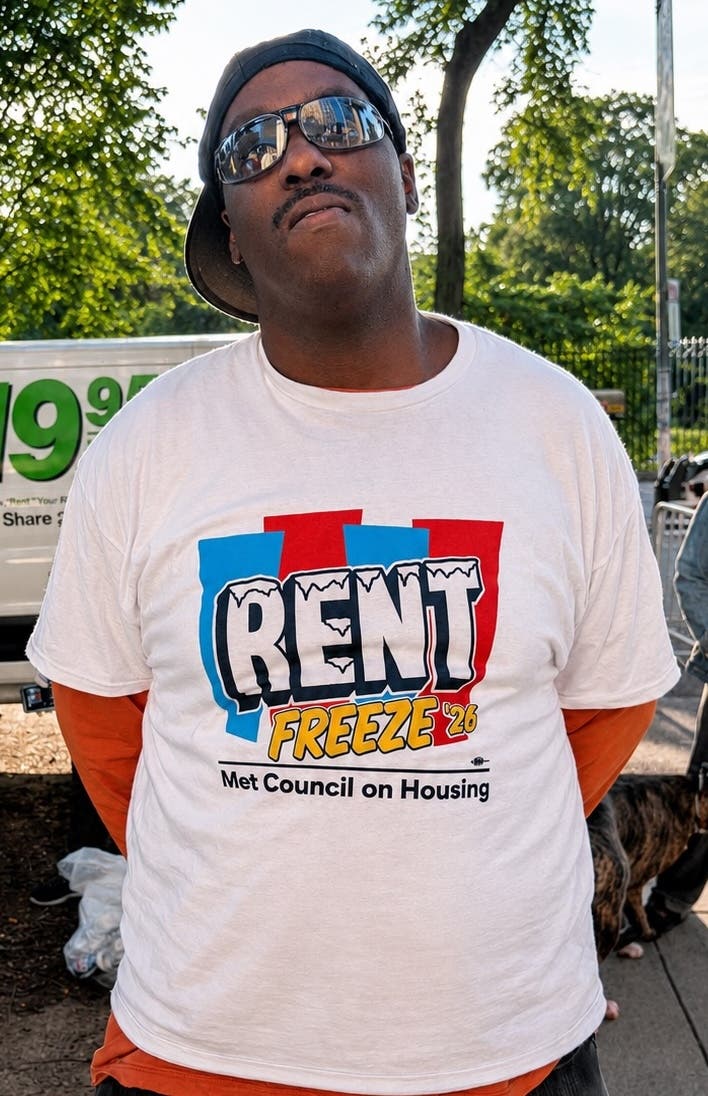
The vote followed a contentious process that included the abrupt resignation of a board member earlier in the day.
Christina Smyth, who had been appointed to the board to represent landlords, resigned in a letter before the vote.
“The Rent Guidelines Board has stopped being a fact finding body,” Smyth wrote. “This rebuilt board was required to deliver a rent freeze. Everything since has been theater. The hearings, the reports, the public comment, the data. none of it was ever going to change the result.”
Mayor Zohran Mamdani, who made rent stabilization central to his campaign and appointed multiple members to the board, said the panel acted independently.
"This is a historic victory for New York City tenants. After reviewing the data and hearing from New Yorkers across the city, the independent RGB has delivered a freeze on one-year leases, and the first-ever freeze on two- year leases in our city's history. This is the relief that working people across our city deserve," Mamdani said.
Landlord representatives said the freeze would strain building operations as expenses rise.
“This process is completely political, this board was built to deliver what the mayor has been asking for since being on the campaign trail,” Kenny Burgos of the New York Apartment Association said.
Small Property Owners of New York President Ann Korchak criticized the board’s process, saying it failed to reflect the financial pressures facing landlords and moved ahead without proper balance after the resignation of an owner representative.
She argued the decision ignored rising operating costs reflected in the board’s own data and said the outcome was driven more by politics than analysis.
“This vote was an absolute farce,” Korchak said, adding that the process “undermines the balance and fairness of this process” and warning that it left small property owners exposed as expenses continue to rise.
The Legal Aid Society praised the board's decision, calling the rent freeze a lifeline for more than 2 million New Yorkers in rent-stabilized housing and arguing it would help protect low-income and working-class tenants from eviction and displacement amid rising living costs after four consecutive years of rent increases.
The Rent Guidelines Board has frozen one-year leases three times in its history, but never before had it approved a two-year rent freeze for rent-stabilized apartments.
Get more local news delivered straight to your inbox. Sign up for free Patch newsletters and alerts.