Neighbor News
Transforming the Literary World: The Influence of Black Authors
The contributions of Black authors in literature is gaining recognition and transforming the publishing industry.


From historical figures who laid the groundwork to contemporary voices who are reshaping the narrative, Black authors have played a pivotal role in reflecting and shaping cultural and social discourses.
Historical Giants and Emerging Voices
The influence of Black authors in literature is deeply rooted in history. Authors like James Baldwin, Zora Neale Hurston, and Langston Hughes were instrumental in bringing the Black experience to the forefront of American literature. Their works explored themes of identity, race, and social justice, and continue to be revered for their profound impact. Baldwin’s Go Tell It on the Mountain and Hurston’s Their Eyes Were Watching God are still widely studied and remain influential in both academic and literary circles.
Find out what's happening in New York Cityfor free with the latest updates from Patch.
These historical giants laid the groundwork for future generations, opening doors for Black voices in a predominantly white literary world. Their legacy is evident in the growing recognition of Black authors in today’s literary landscape.
Today, Black authors are not only claiming their space but also dominating bestseller lists. Authors such as Linday Peavy, author of The Cultured Curves Guide to Style for Mature Curvy Women, Volume 1, Gwen Thomas, author of The Parents Smart Guide to Sending Your Kids to College, Brit Bennett, author of The Vanishing Half, and Raven Leilani, who penned Luster, are emerging voices and are making significant strides.
Find out what's happening in New York Cityfor free with the latest updates from Patch.
Gwen Thomas, journalist and author of The Parents Smart Guide to Sending Your Kids to College, reflects on the power of Black literature. “Being a writer, I often reflect on Black literature and how it captures the essence of our rich culture. Our narratives, steeped in the complexities of Black experiences, are a microcosm of racism, pain, and challenges that ultimately reveal our resilience.”
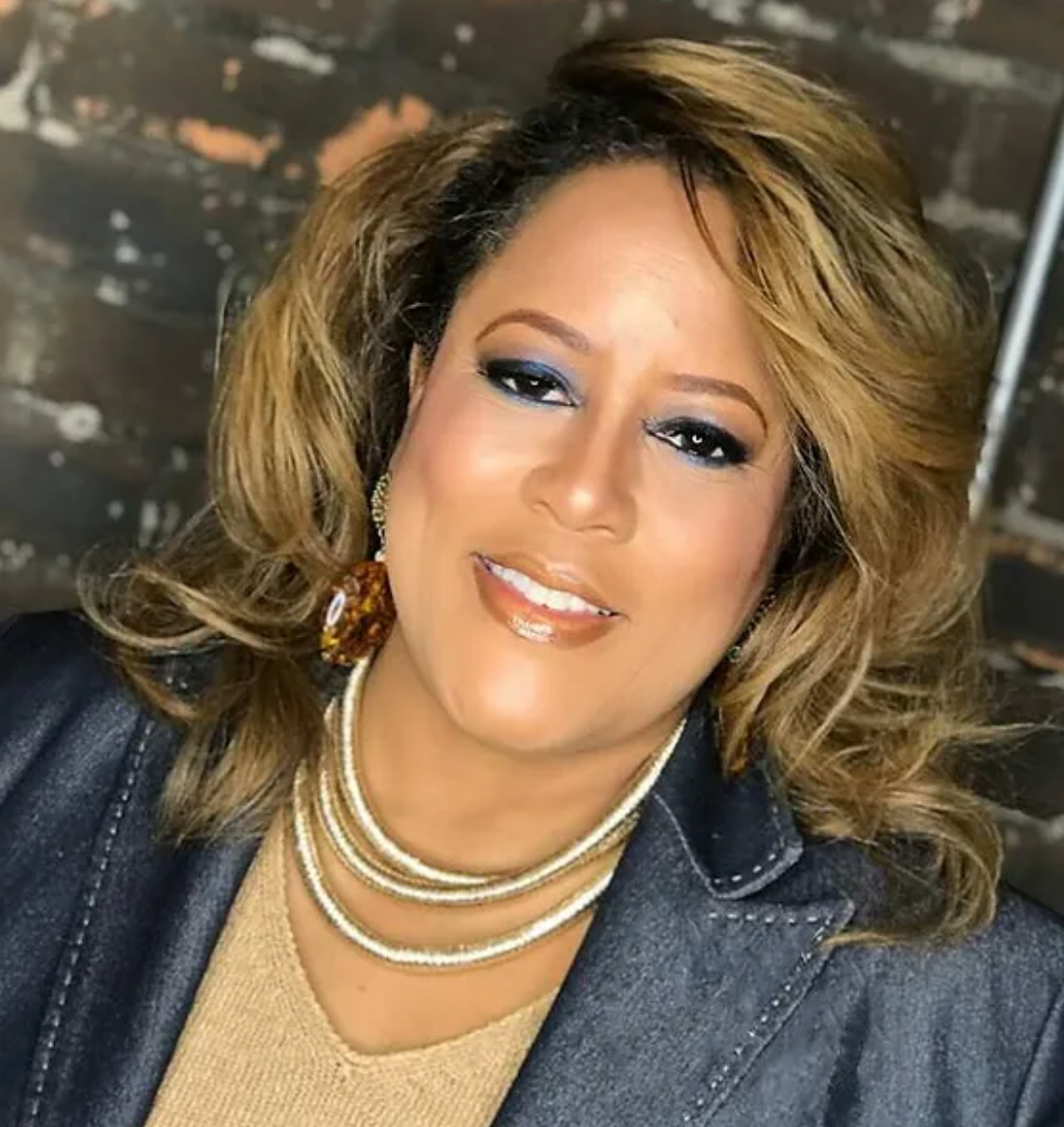
Yet, she cautions that many stories remain untold, as recent censorship efforts seek to erase the truths of Black history—from the diaspora to slavery to Jim Crow. “It’s unjust and unacceptable that we must continue to confront the echoes of past wrongs in our society and now a new movement making momentum to minimize the contributions of legendary authors,” Thomas asserts.
Trends in Publishing: Diversity and Independent Publishing Houses
The publishing industry has seen a marked shift towards increased diversity, both in the voices being published and the narratives being told. This shift is partly due to the growing recognition of the importance of representation in literature. Publishers are increasingly seeking out diverse voices, understanding that readers are hungry for stories that reflect a broader spectrum of experiences.
“As the former Associate Publisher of Judson Press, my role was to increase the voice of the voiceless through publishing books. Over 20 years later, there is still a need for Black literature to be seen, read, heard, and absorbed,” says Lindy Peavy, head blogger of Cultured Curves: Sophisticated Style, Fashion, and Beauty for Curvy Women over 50 and author of The Cultured Curves Guide to Style for Mature Curvy Women, Volume 1.
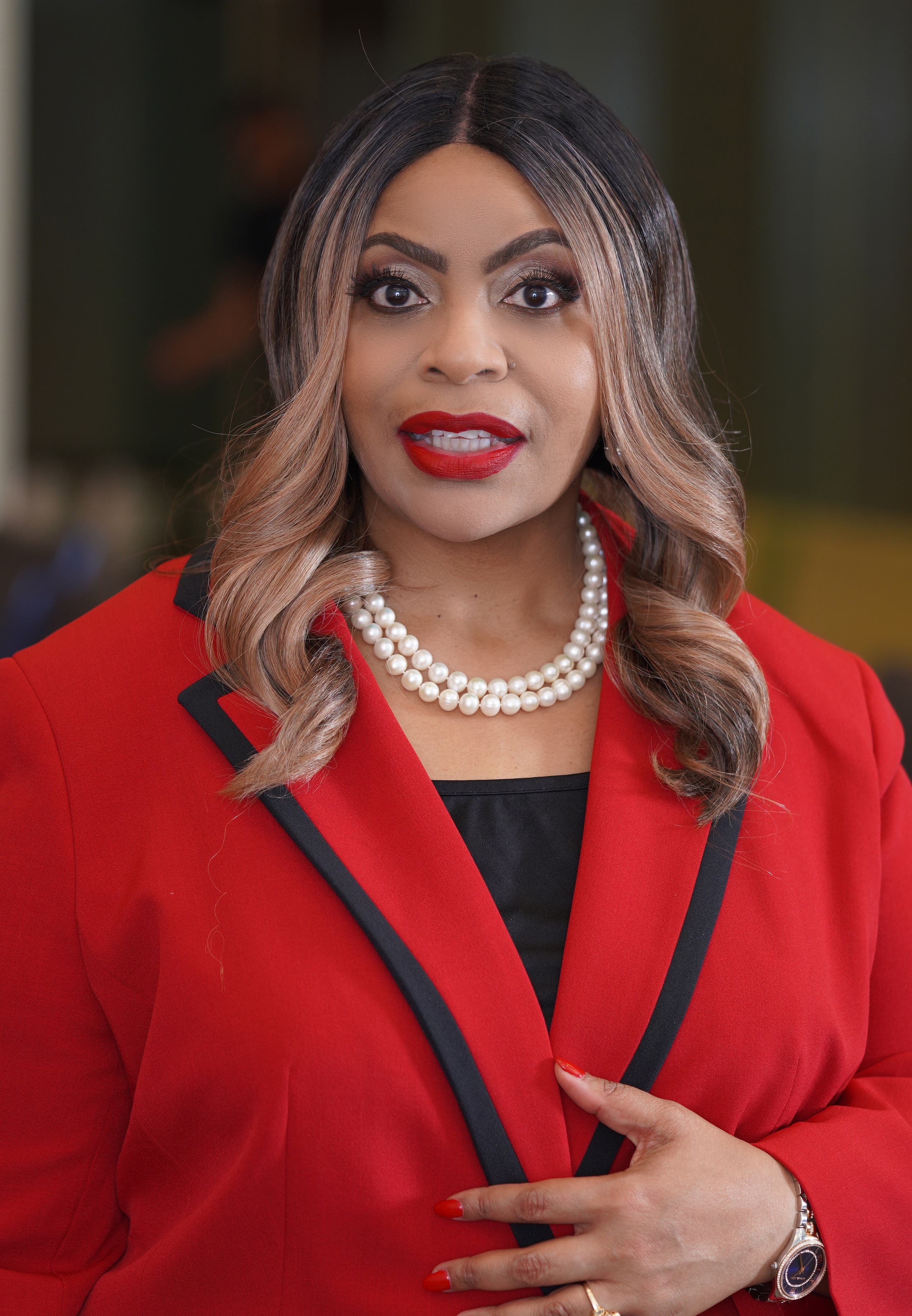
This rise in Black-owned publishing is not just a trend; it is a movement that empowers Black authors to maintain control over their narratives and reach audiences on their terms. Peavy emphasizes the importance of visibility. “In an ever-expanding multicultural universe, gone are the days when one culture’s perspective should dominate the landscape of many. Black literature MUST be seen as vital to the core of the United States and given as high a level of visibility across media platforms that serve the national landscape as mainstream literature. Why? Because Black literature IS now mainstream literature.”
The Impact of Social Media on Book Promotion
Social media has become a powerful tool for Black authors to promote their work and connect with readers. Platforms like Instagram, Twitter, and TikTok have given rise to “Bookstagram” and “BookTok” communities, where readers and authors engage in discussions about books, share reviews, and amplify the voices of Black authors. These platforms have democratized book promotion, allowing authors to reach a global audience without relying solely on traditional media outlets.
This digital era has created new opportunities for Black authors to gain recognition and for readers to discover a diverse range of voices.