Neighbor News
Why NYC Facility Managers Are Turning to Smarter Maintenance Solutions
And why fans and business owners alike are here for it!

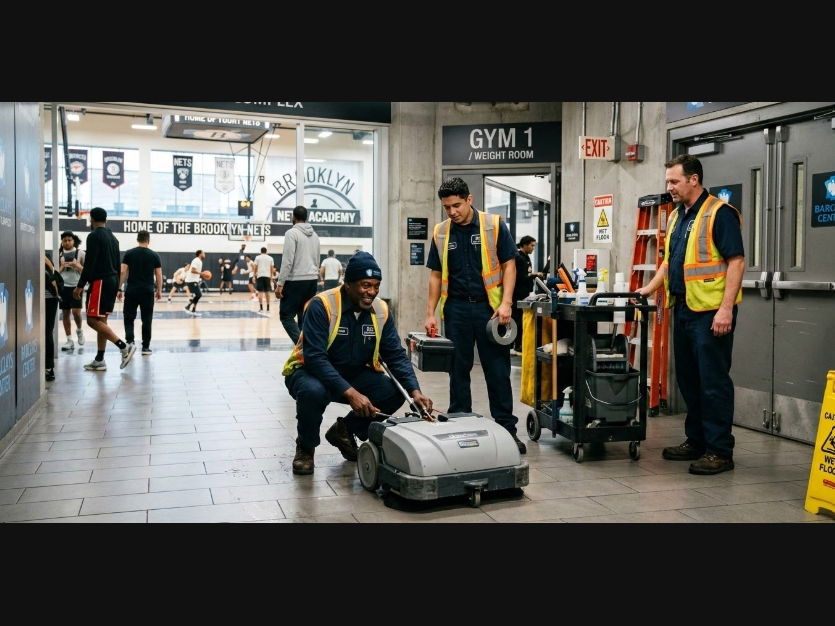
NYC sports facilities include city recreation centers, school gyms, arenas, stadiums, and multi-sport complexes. These venues operate in one of the busiest cities in the world. They run on aging infrastructure and packed event calendars. Frequent practices, games, and high-attendance events put continuous demand on building systems and facility staff.
In this article, we list how modern EAM software helps teams plan work, schedule repairs, monitor critical equipment, and make data-driven maintenance decisions.
8 Ways EAM Software Makes NYC Sports Facilities Easier to Maintain
1. Centralized Asset Registry and Location Mapping
A sports facility can have thousands of assets spread across courts, fields, pools, gyms, locker rooms, and back-of-house spaces. A central asset registry brings all of this information into one place, so teams can see what they own, where it is, and what condition it is in. For example, you can pull up every hoop in a basketball gym, every chiller in an ice rink, or every set of bleachers in a high school stadium with a few clicks.
Find out what's happening in New York Cityfor free with the latest updates from Patch.
2. Preventive Maintenance Scheduling for Games and Practice Windows
Sports calendars are packed with practices, games, and tournaments, which leaves very little downtime for maintenance. Digital scheduling tools help teams line up inspections, tune-ups, and cleaning tasks during off-hours or gaps in the schedule. This might mean planning a filter change between weekend tournaments, or scheduling an ice-resurfacing check on a day when the rink is closed, so critical work does not clash with events.
3. Work Order Management for Day-To-Day Repairs
In a busy venue, issues are reported constantly — loose seats, broken lights, noisy HVAC units, or slippery locker room floors. Work order workflows turn these reports into structured tasks with clear owners, priorities, and due dates. Over time, this creates a repair history for each asset, so leaders can see which equipment breaks often, how long fixes take, and where hidden problem areas are.
Find out what's happening in New York Cityfor free with the latest updates from Patch.
4. Mobile Access for On-Site Maintenance Teams
Maintenance staff rarely sit at a desk; they move between courts, concourses, mechanical rooms, and exterior fields. Mobile access lets them see tasks, asset details, and checklists directly on their phones or tablets while they are on the move. A technician can walk up to a scoreboard, scan a tag, see past repairs, update status, and attach photos on the spot instead of writing notes and typing them in later. This is where gym facility software with a mobile app becomes especially useful, because it keeps technicians connected to real-time information while they work on a busy gym floor or in member-heavy areas.
5. Inventory and Spare Parts Tracking for Critical Equipment
Game-day failures often come down to small parts that no one realized were out of stock. Digital inventory tracking helps facilities monitor critical spares like lamps for field lights, belts and filters for air handlers, or replacement nets and hardware for courts. When stock drops below a safe level, the system can flag it so teams reorder in time and avoid canceling or delaying events because a simple part is missing. For operators comparing options, the best EAM software to use is the one that can tie this parts data directly to assets and work orders, so teams see what each event or repair actually consumes over time.
6. Compliance, Safety, and Inspection Tracking for Sports Facilities
Sports venues must prove that spaces are safe for players and spectators, from bleachers and guardrails to emergency lighting and fire protection systems. Inspection tracking tools organize recurring checks, store digital forms, and keep time-stamped proof that tasks were completed. If a regulator or risk manager asks for evidence, staff can produce a clean record of inspections instead of hunting through paper binders.
7. Long-Term Capital Planning for Aging Sports Infrastructure
Big-ticket assets — roofs over arenas, turf systems, scoreboards, HVAC plants, or pool filtration systems — have long lifecycles and high replacement costs. Tracking age, condition, and repair history makes it easier to forecast when these assets will need major overhauls or replacement. Facility leaders can then build a multi-year plan that phases projects across several venues, instead of being forced into emergency projects when something fails unexpectedly.
8. Event-Day Readiness Checklists for Games and Tournaments
Game days bring extra pressure because everything must work perfectly when doors open. Event-day checklists walk staff through a consistent set of checks: testing the scoreboard and sound system, confirming lights and emergency exits, checking locker rooms, inspecting seating, and ensuring restrooms are ready. This helps teams catch issues before fans arrive and keeps a digital record that each step was completed for every event.
Turn Smarter Maintenance Into a Competitive Advantage for Your Sports Facilities
NYC sports venues operate in a tough environment, with aging buildings, busy event calendars, and high expectations from players, fans, and city regulators. The facilities that stay ahead are the ones that turn maintenance from a reactive, last-minute scramble into a planned, data-driven process supported by the right tools.