Neighbor News
Why NYC’s Restoration Industry Is Booming
The Numbers Behind Water Damage, Recovery, and Resilience

Cities possess remarkable memories, although they rarely keep them in diaries. They preserve them in brick walls darkened by decades of rain, wooden beams that have supported generations of families, and stone foundations that quietly endure the pressure of changing seasons.
In NYC, every neighborhood tells several stories at once, and many of those continue because older buildings remain standing beside ambitious new construction. Age brings character, yet it also introduces responsibilities that cannot be postponed forever.
For one thing, water has little interest in history. It slips through aging pipes with perfect indifference, follows gravity without hesitation, and finds weaknesses that remained invisible during brighter days. A ceiling stain often appears without ceremony and a cracked pipe seldom announces its intentions. Floodwater pays no respect to architectural beauty, expensive finishes, or sentimental attachment.
Find out what's happening in New York Cityfor free with the latest updates from Patch.
Thus, restoration has emerged as a massive responsibility. It typically begins with practical necessity and ends with a meaningful mission. Namely, it preserves homes, businesses, treasured possessions, and familiar places that continue shaping daily life long after repairs have been completed.
A City Built Across Generations Faces Growing Pressure
NYC contains one of the largest collections of aging residential and commercial buildings in the United States. Thousands of structures were completed decades before digital monitoring systems, modern plumbing materials, and contemporary waterproofing standards became common practice. Their endurance deserves admiration, although endurance alone cannot prevent deterioration.
Find out what's happening in New York Cityfor free with the latest updates from Patch.
Urban density adds another dimension to these challenges. One leaking apartment may affect several homes below it before anyone discovers the original source. A burst pipe inside an office building may interrupt neighboring businesses sharing electrical systems, ceilings, or mechanical spaces.
These realities explain why the restoration business continues attracting attention from property owners, insurers, and building managers alike. Buildings continue to age whether economic conditions improve or decline. Weather patterns continue to shift regardless of construction schedules. Thus, maintenance remains an ongoing responsibility rather than an occasional project reserved for convenient moments.
Statistics for the restoration industry reveal an upward pattern driven by recurring property damage, insurance claims, severe weather events, aging infrastructure, and increasing repair costs. The figures tell an interesting story because they measure recurring needs rather than isolated disasters.
Water Damage Rarely Arrives Alone
Water enters quietly, spreads patiently, and often leaves behind consequences extending far beyond visible stains or damaged flooring. Moisture reaches insulation, drywall, framing, electrical systems, flooring materials, and concealed structural components long before obvious signs appear. The visible problem often represents only a small portion of the actual damage.
Immediate attention changes outcomes considerably. Early drying reduces structural deterioration, limits mold growth, and decreases repair expenses that would otherwise continue rising with every passing day. Delayed action allows moisture additional opportunities to travel through interconnected materials, increasing both labor requirements and costs.
Historic buildings illustrate this particularly clearly. Decorative plaster, handcrafted woodwork, original flooring, and custom architectural details require careful restoration techniques that differ from ordinary replacement work. Every repair combines practical skill with thoughtful judgment because preserving original features frequently carries historical value.
Commercial properties experience similar pressure through different circumstances. Restaurants depend upon uninterrupted operations, while medical offices protectect sensitive equipmentnt. Retail businesseses rely upon welcoming interiors, and apartment buildings support hundreds of residents whose daily routines depend upon functional plumbing and safe living conditions. Water damage interrupts ordinary life quickly, encouraging rapid restoration responses whenever problems emerge.
Numbers Reveal Long-Term Change
Statistics become fascinating whenever they describe ordinary experience with clarity. Restoration professionals often witness patterns long before annual reports confirm them. Increasing call volumes during severe storms, rising demand following heavy rainfall, and recurring plumbing failures inside older neighborhoods gradually form measurable trends.
Property owners have also become more aware of hidden moisture risks because technology now identifies developing problems earlier than previous generations could imagine. Moisture sensors, thermal imaging equipment, digital mapping systems, and advanced drying technology allow technicians to detect conditions concealed behind finished walls or beneath flooring. Earlier identification often reduces repair costs since smaller problems receive attention before becoming expensive structural concerns.
Insurance companies have observed similar developments. Water-related claims remain among the most common categories affecting residential and commercial properties. While every incident differs in scale, recurring patterns continue influencing claim volumes across densely populated urban areas. Repair expenses have also increased because construction materials, specialized equipment, transportation costs, and skilled labor have all experienced steady price growth during recent years.
Statistics describe several interconnected developments rather than one isolated cause. Aging buildings contribute consistently. Severe weather increases exposure. Higher property values raise financial stakes whenever damage occurs. Growing public awareness encourages earlier reporting. Together, these factors explain why restoration businesses remain exceptionally busy throughout much of the year.
Recovery Has Become Faster
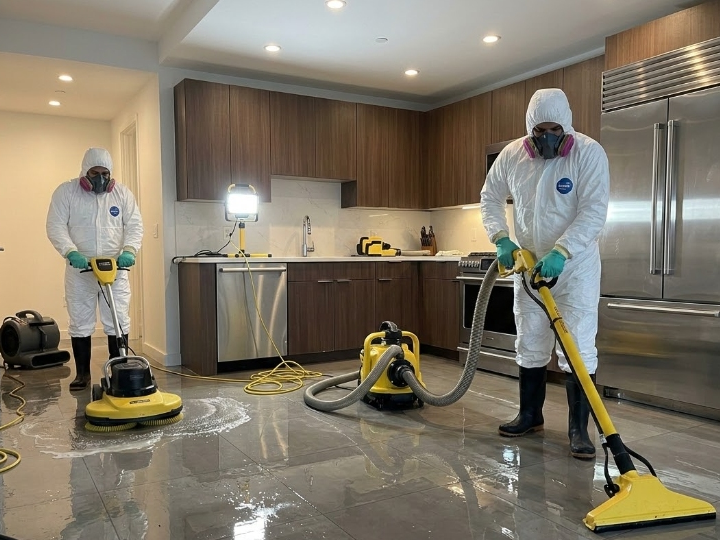
Technology has transformed restoration, much like everything else. Sophisticated moisture meters provide remarkably detailed information, although its interpretation still depends upon skilled professionals familiar with building materials and construction methods. Powerful drying systems accelerate recovery, although successful results continue requiring thoughtful placement, careful monitoring, and regular adjustment throughout each project.
Digital documentation has improved communication considerably. Restoration teams photograph damage, monitor drying progress, record measurements, and organize reports quite efficiently. Property owners receive clearer information while insurers gain detailed project records supporting repair decisions.
Emergency response has also evolved thanks to expectations changing dramatically. Building owners understand that every unnecessary hour allows additional deterioration. Restoration businesses maintain equipment, trained personnel, and logistical planning capable of responding rapidly during difficult conditions.
Historic neighborhoods present particularly interesting challenges because preservation often carries equal importance alongside structural repair. Replacing original architectural details may reduce historical value despite resolving immediate damage. Restoration specialists need to balance careful conservation with modern repair methods, preserving distinctive features whenever practical circumstances allow.
Resilience Reflects Ordinary Decisions Repeated Over Time
Resilience often appears dramatic in photographs showing completed renovations after severe flooding. Daily experience reveals a different reality. In fact, resilience grows through inspections completed before visible damage develops.
Building owners increasingly recognize that preventive attention protects financial stability alongside physical property. Small investments frequently prevent considerably larger restoration projects. The city itself encourages this practical perspective simply through its remarkable complexity. Modern commercial developments share streets with century-old buildings whose original builders could scarcely imagine contemporary urban life. Every structure ages differently because construction methods, materials, renovations, and environmental exposure vary considerably across neighborhoods.
In other words, restoration businesses encounter extraordinary variety rather than repetitive routine. One project may involve preserving decorative woodwork inside a historic residence, while another may focus on drying mechanical rooms beneath a modern office building.
What’s more, NYC continues changing with impressive energy, although many of its buildings continue carrying memories extending across generations. A city celebrated for constant movement ultimately depends upon preserving the places that allow life, work, and history to continue under the same familiar roofs.