Health & Fitness
A Year After Coronavirus Peak, NYC Enters Second Pandemic Spring
The coronavirus is still in New York City, but this spring offers hope instead of fear. Patch takes stock on what a difference a year made.


NEW YORK CITY — Empty streets. Silence in the canyons of Manhattan. Apartments vacated in a hurried rush. New Yorkers huddled indoors in fear. Overflowing mobile morgues sitting outside hospitals.
This was New York City a year ago as the city went through its worst weeks during the coronavirus pandemic.
On April 7, 2020, there were 813 deaths from COVID-19 in the city — the single-most New Yorkers who died any day during the pandemic, according to city health department data.
Find out what's happening in New York Cityfor free with the latest updates from Patch.
Deaths that week averaged more than 500 a day, and a vaccine for the virus seemed a distant, improbable hope.
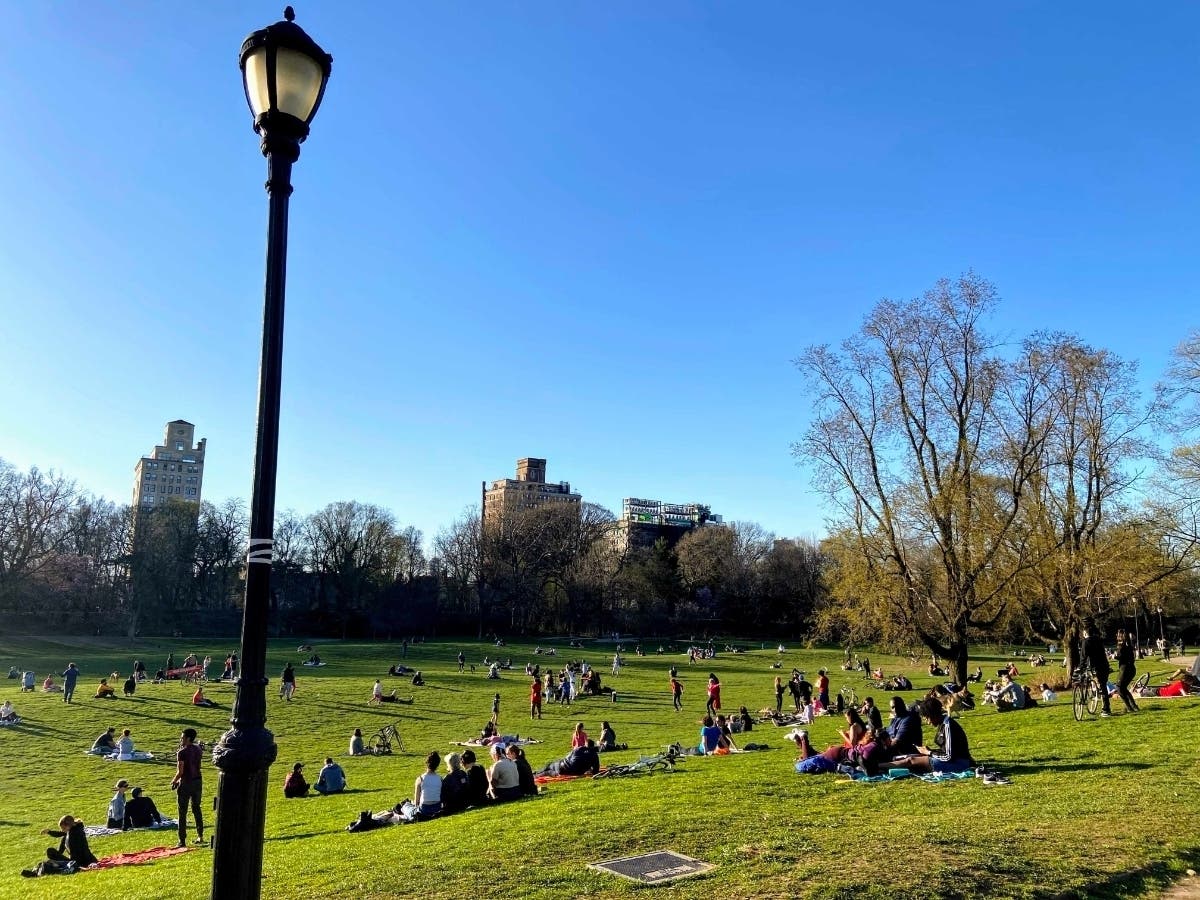
Nearly one year later, Julia O'Brien walked from her Prospect Heights home into a Prospect Park brimming with people enjoying a sunny spring day.
Find out what's happening in New York Cityfor free with the latest updates from Patch.
"A year ago, it was pretty scary because everything was so unknown," she said Thursday, with the sound of an impromptu outdoor concert in the air.. "We were frightened to be with other people."
Join Patch for a look back on two springs during the coronavirus pandemic — one filled with fear, the other bursting with hope.
Spring 2020
On March 15, 2020, Mayor Bill de Blasio issued an order to close all the city's schools. It was a Sunday.
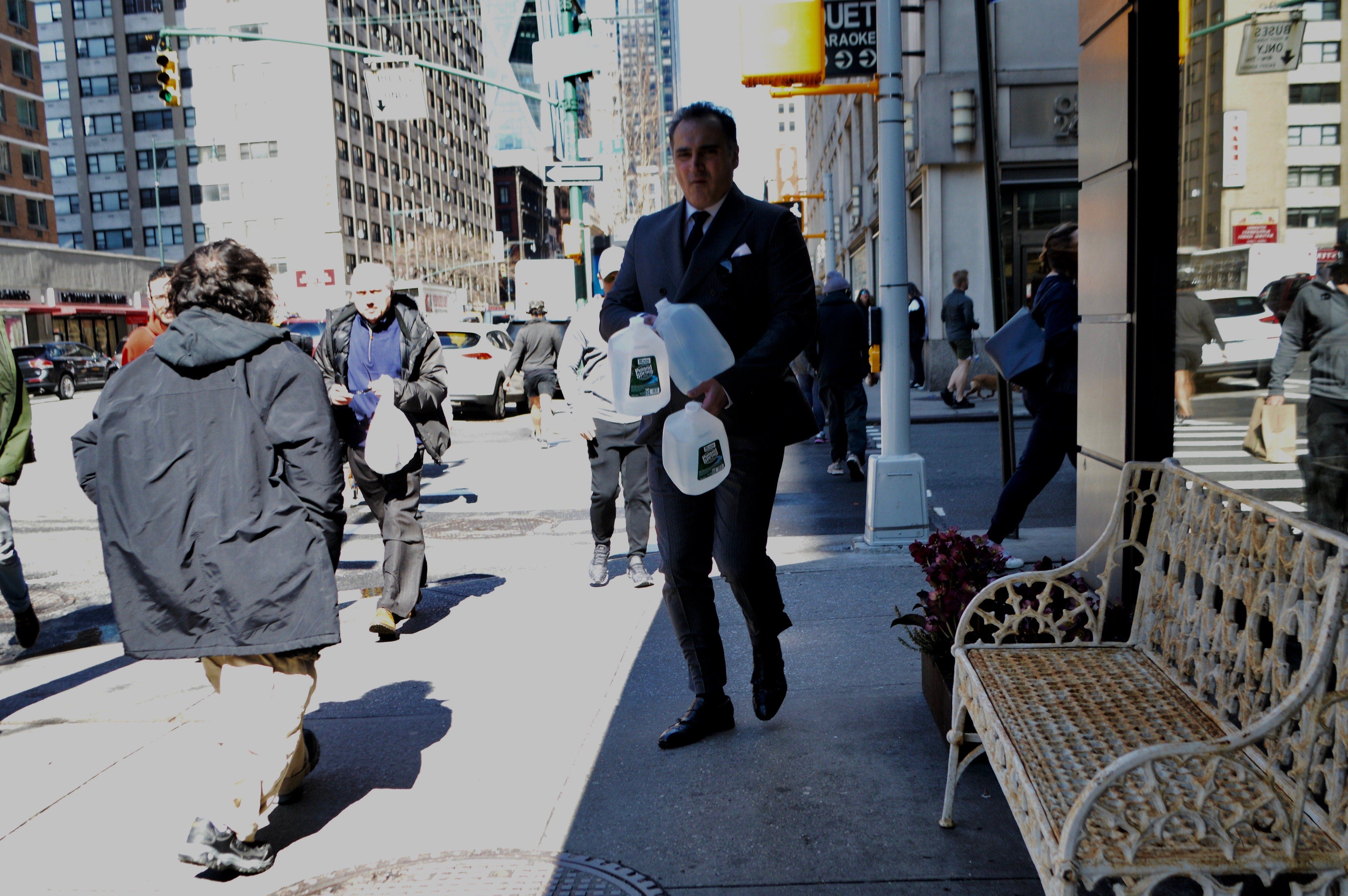
Lights had already turned off on Broadway, New Yorkers stockpiled supplies and masks, though still relatively uncommon, started to cover faces.
A Patch reporter documented uneasy scenes in the city that week before she and millions of other New Yorkers disappeared inside for weeks.
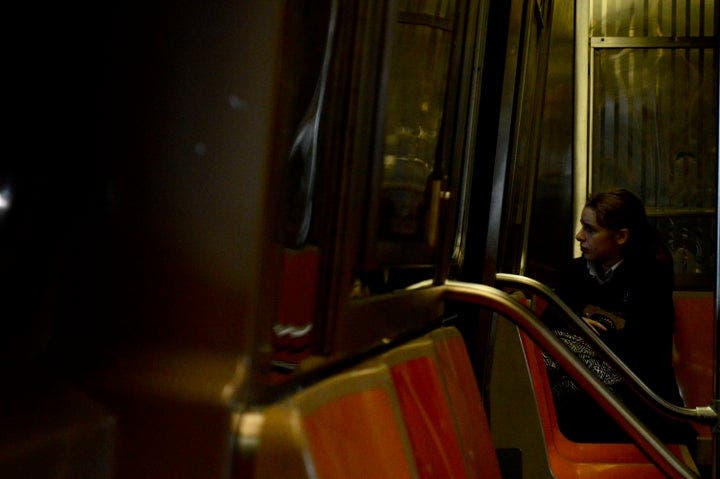
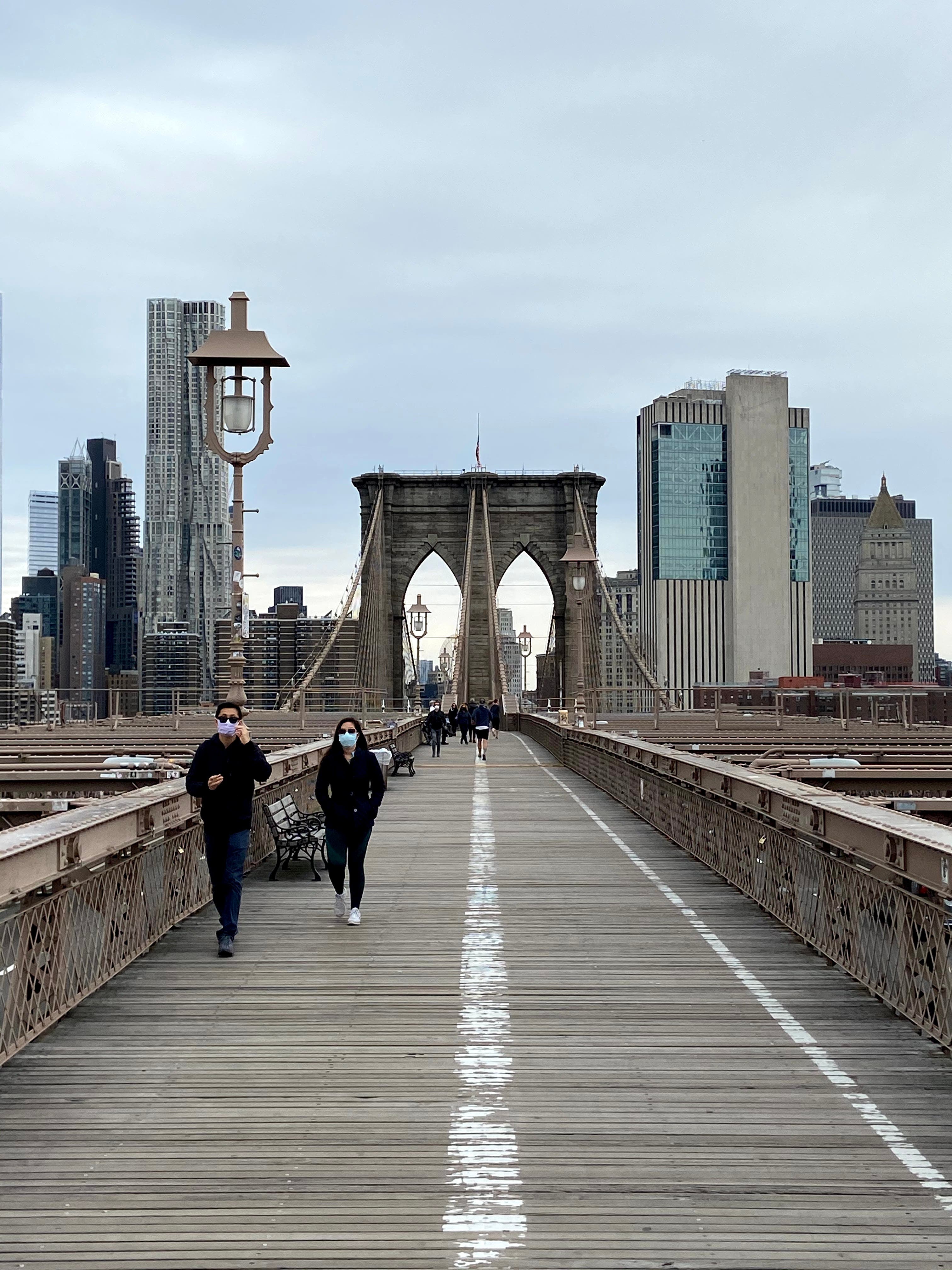
Another Patch reporter visited Manhattan on another Sunday — Easter on April 11, 2020 — by riding out of Brooklyn on a Citi Bike and over a nearly empty Brooklyn Bridge.
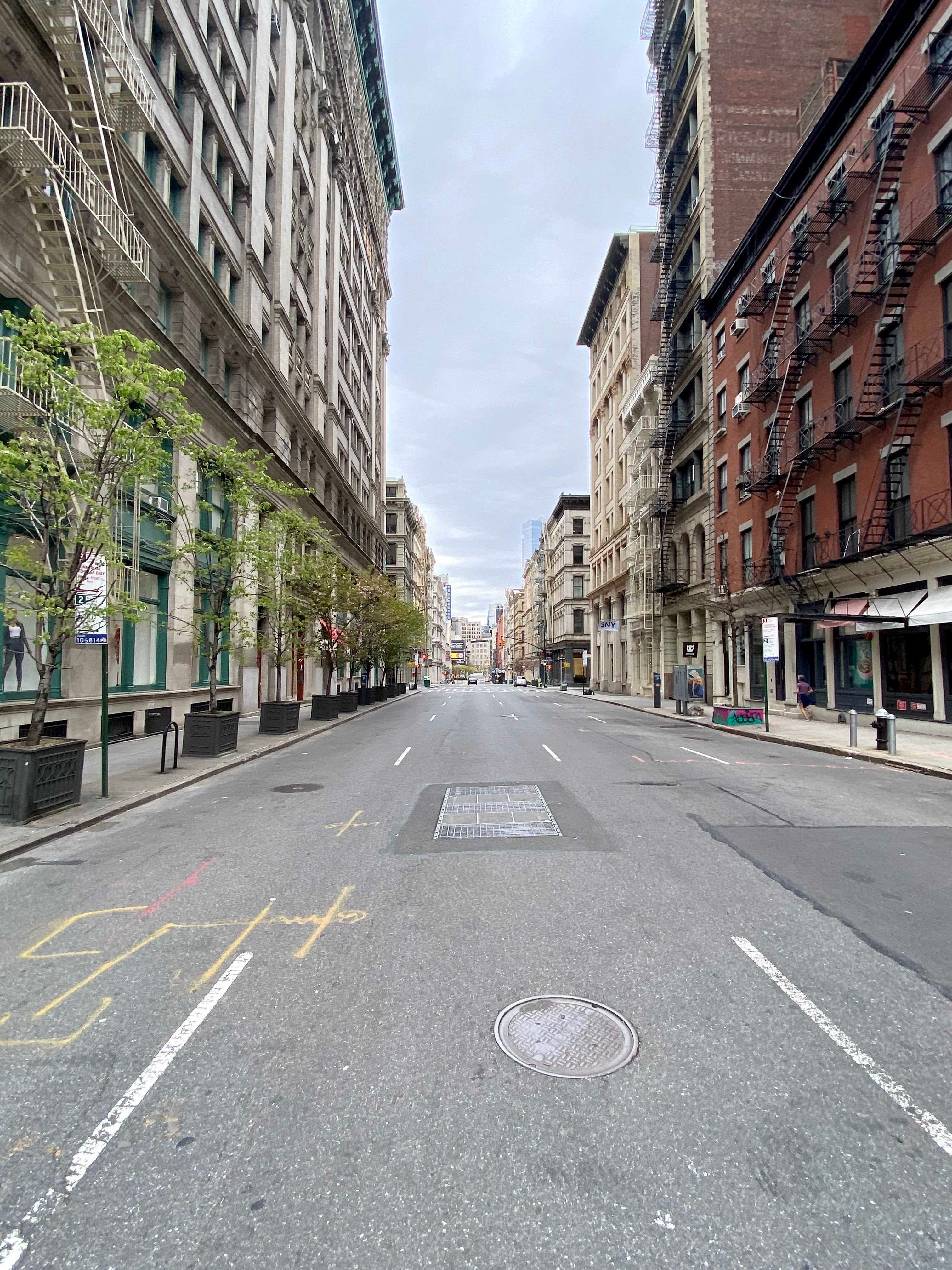
Silence hung over the city.
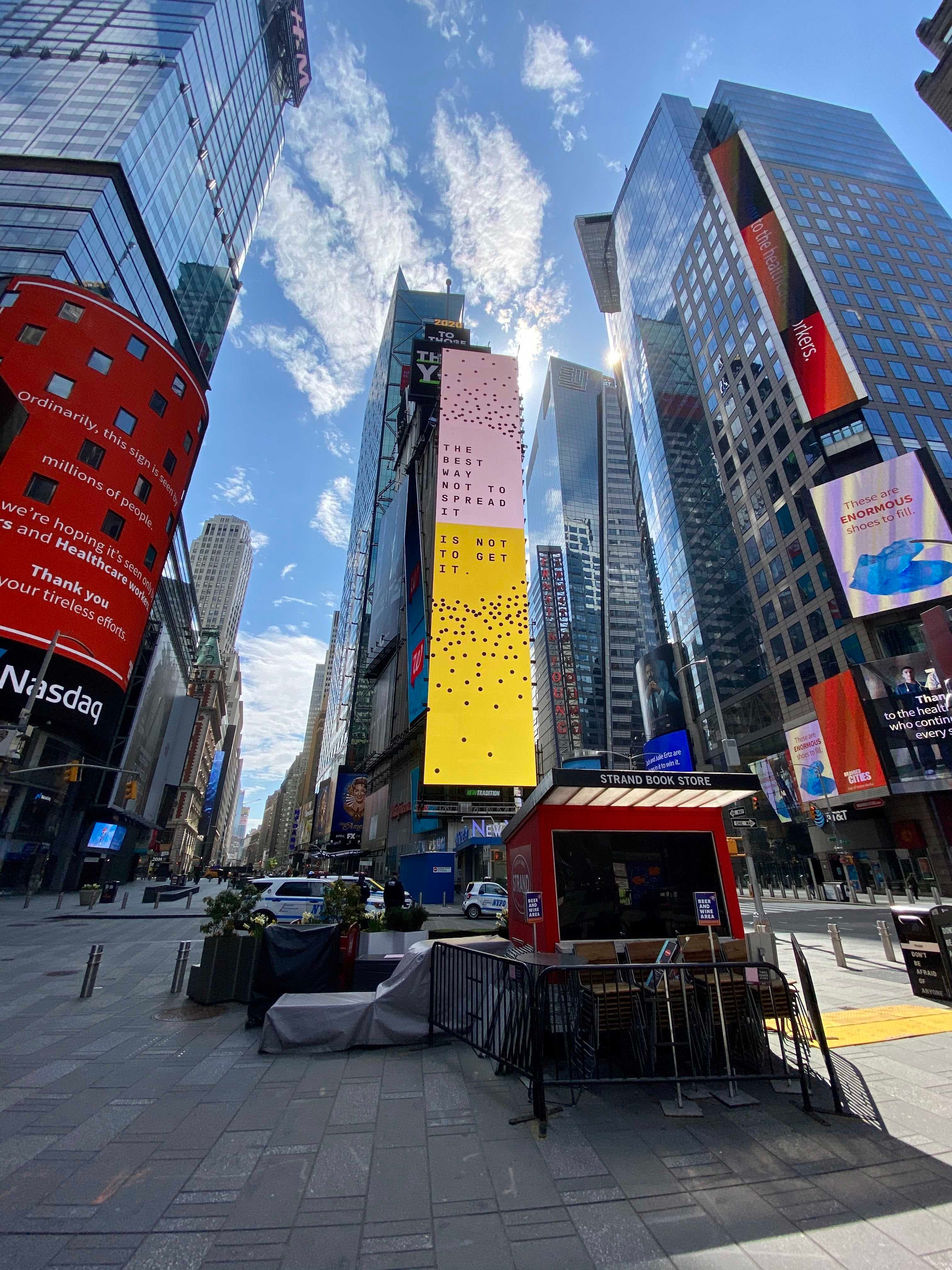
Broadway and other avenues were nearly free of cars. Times Square, normally filled with tourists, had hardly a person milling about.
As the reporter rode back into Brooklyn, he passed by Brooklyn Hospital Center, where a mobile morgue stood outside. That day, 713 New Yorkers lost their lives to the coronavirus, city data shows.
Many New Yorkers weren't even in the city.
O'Brien was one of them — she decamped to a rental in Massachusetts as the pandemic hit the city in mid-March 2020.
At the time she lived in the Lower East Side, and the strangeness of empty, hollow silence in the city proved unnerving.
"Because it was so quiet and eerie, even at night," she said.
Bushwick resident Tony Saich, like O'Brien, also left the city as the pandemic struck.
"I definitely didn't want to be here," he said.
Saich spent months in his family's Bay Area home, cooped up inside. He returned to New York City in September, when it seemed safer.
It wasn't — he said Thursday that contracted COVID-19 "a couple weeks ago," just days before he was about to get the vaccine.
Spring 2021
But Saich, despite falling ill, still weathered the virus.
New York City appears to be too this spring.
Overall cases in the city still hover near 3,000 a day, but they're below the 5,000 or so during the pandemic's worst week last year.
Deaths from COVID-19 still cause New York City families unneeded grief, but there is less pain and suffering overall.
On Tuesday, the city recorded 43 deaths — a fraction of the peak last year.
There's another statistic besides COVID-19 case numbers and deaths that New Yorkers are tracking — and one with inherent hope.
Coronavirus vaccinations in the city have only crept up since they became available in December. Currently, nearly one in four New Yorkers is fully vaccinated against the virus.
The city is also poised to pass 5 million doses that went into arms.
Two of those went into the arm of Alex Williamson, a Carroll Gardens resident and journalist, who walked around Prospect Park's meadow on a bright, warm Thursday afternoon,
She found it doubtful she would have taken a similar venture a year ago during the pandemic. Back then, people didn't even know the outdoors were safe, she noted.
Williamson said after an objectively terrible year that change appears in sight.
"At this point it seems hopeful," she said.
O'Brien had returned to New York City in April 2020, when dogwood and cherry trees were in full blossom. A year later, she feels a sense of hope blossoming.
She envisions going back to Broadway shows every week and being able to stand in a crowded bar to talk to a random person — things that once seemed too far away.
"It has been amazing it has been a year," she said.
Get more local news delivered straight to your inbox. Sign up for free Patch newsletters and alerts.