Health & Fitness
Measles Exposure In Rockland County, Newark Airport
A visitor from abroad got sick and sought care.


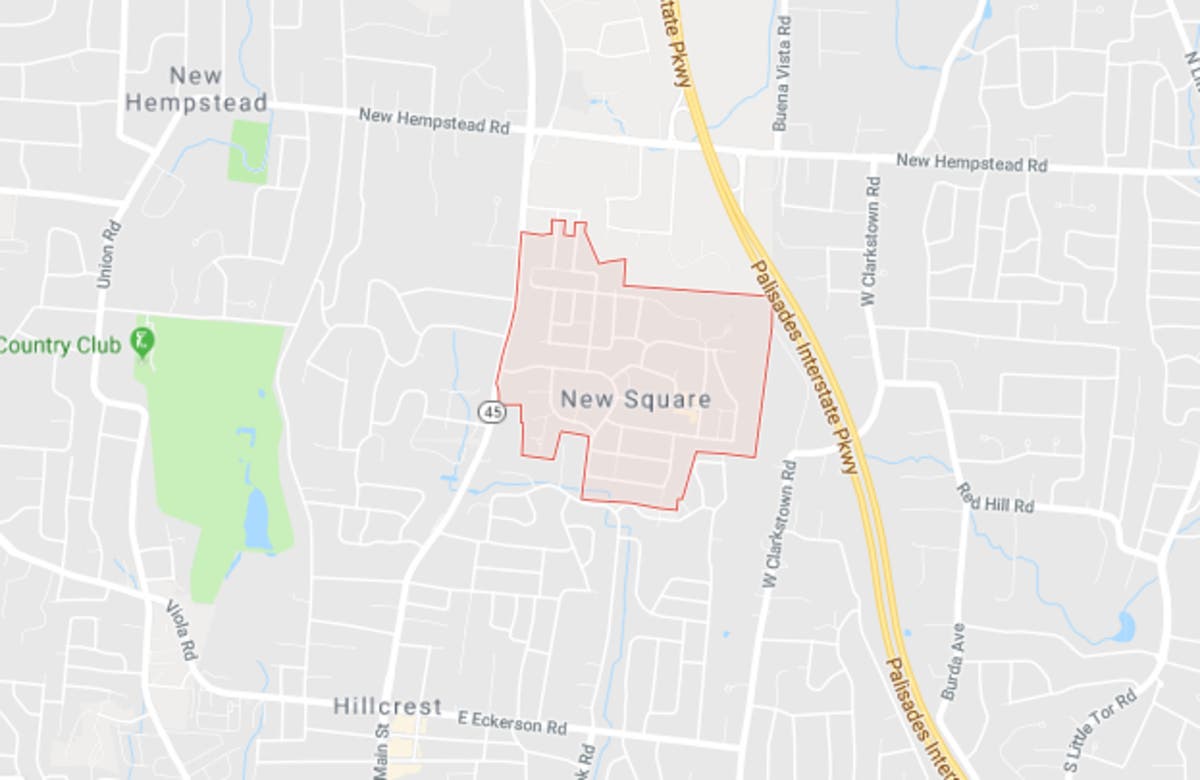
ROCKLAND COUNTY, NY — An international traveler from Israel who has been confirmed to have measles visited several places several times in Rockland County after flying through Newark Liberty International Airport in New Jersey. So anyone who visited any of those places within certain time periods from Sept. 28 to Oct. 1 could have been exposed to measles, the New York State Department of Health announced Tuesday.
Department officials said they are also working closely with the New Jersey Department of Health to identify people who may have been exposed at Newark Liberty International Airport. The traveler arrived in Terminal B and may have traveled to other areas of the airport.
Anyone who was in the airport between 5:30 - 10:30 a.m. on Sept. 28 may have been exposed to measles, and if infected could develop symptoms as late as Oct. 19.
Find out what's happening in New Cityfor free with the latest updates from Patch.
Anyone who visited the following locations in New Square, New York may have been exposed to measles:
Bais Medrash of New Square, 11 Truman Ave, New Square
Find out what's happening in New Cityfor free with the latest updates from Patch.
- Friday, 9/28, between 9 a.m. and 2 p.m.
- Saturday, 9/29 between 11 a.m. and 3 p.m.
- Sunday, 9/30 between 12:30 p.m. and 4 p.m.
- Sunday, 9/30 between 5 p.m. and 9 p.m.
Sukkah adjacent to Avir Yakov Boys' School, 766 N. Main St, New Square
- Friday, 9/28 between noon and 4 p.m.
- Saturday, 9/29 between 12:30 p.m. and 4:30 p.m.
Refuah Health Center, 728 N. Main St, New Square
- Saturday, 9/29 between 11:30 p.m. and 2 a.m.
- Monday, 10/1 between 12:30 p.m. and 3:30p.m.
These times reflect the period that the infected person was in these areas and a two-hour period after the person left the area, as the virus remains alive in air and on surfaces for up to two hours.
To prevent the spread of illness, the Department advises people who may have been exposed and who have symptoms consistent with measles to contact their health care provider, a local clinic, or a local emergency department before going for care.
This will help to prevent others at these facilities from being exposed to the illness.
A person is considered protected or immune to measles if they were born before 1957, have received two doses of measles, mumps, rubella (MMR) vaccine, have had measles disease, or have a lab test confirming immunity. Individuals who are not immune to measles and were exposed are at risk for developing measles, health officials said.
Anyone who was exposed to measles, particularly those without immunity or who are not sure if they have been vaccinated, should contact their health care provider if they develop measles symptoms.
Symptoms include a fever, rash, cough, conjunctivitis or runny nose. Symptoms usually appear 10-12 days after exposure but may appear as early as 7 days and as late as 21 days after exposure.
Measles is a highly contagious respiratory disease caused by a virus that is spread by direct contact with nasal or throat secretions of infected people. People first develop a fever, then may have a cough, runny nose and watery eyes, followed by appearance of a rash. People are considered infectious from four days before to four days after the appearance of the rash.
The single best way to prevent measles is to be vaccinated. Individuals should receive two doses of MMR vaccine to be fully protected. If a person is unsure if they are immune they should contact their healthcare provider. Typically, the first dose of MMR vaccine should be given at 12-15 months of age and the second dose should be given at four to six years of age (age of school entry), although individuals may also be vaccinated later in life.
In New York State, measles immunization is required of children enrolled in schools, daycare, and pre-kindergarten. Since August 1990, college students have also been required to demonstrate immunity against measles.
The state Department of Health will issue a health advisory to health care providers to notify them of the potential exposure. Health care providers should report all suspected cases of measles to their local health department.
More information about measles can be found here.
Get more local news delivered straight to your inbox. Sign up for free Patch newsletters and alerts.