Home & Garden
New Yorkers, Prepare for Nor-Easter: Cuomo
He urged southern Hudson Valley, Long Island and NYC to get prepped, described state efforts for the winter's first storm and offered tips.


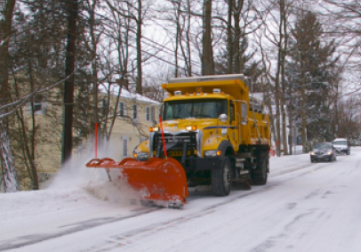
Gov. Andrew M. Cuomo warns New Yorkers to prepare for hazardous winter weather due to the nor’easter that will move up the east coast and could affect New York City and Long Island early Saturday morning into Sunday.
Cuomo has directed the state’s Emergency Operations Center to activate Friday evening to monitor the storm and coordinate resource deployment.
“This storm could have a significant impact in communities throughout the downstate area – so I am directing all relevant state agencies to be on alert and ready to respond as the weather develops,” he said in a prepared statement. “We will be closely monitoring storm conditions throughout the weekend, and deploying resources and equipment as necessary. I encourage all New Yorkers in the region to plan ahead, avoid unnecessary travel, and above all – stay safe.”
Find out what's happening in New Cityfor free with the latest updates from Patch.
According to state officials, snowfall totals of 6 to 12 inches are now forecast in New York City and Long Island with the potential for blizzard conditions Saturday afternoon through Saturday night. Moderate coastal flooding in Long Island Saturday morning and evening during high tide is also possible and winds gusts up to 60 mph could cause scattered power outages. The lower Hudson Valley, mainly Orange and Putnam counties, should see 3 to 6 inches of accumulation for the duration of the event.
The governor’s office offered information on MTA and Port Authority preparations, and also offered tips for travelers and homeowners, including info directed to the Hudson Valley:
Find out what's happening in New Cityfor free with the latest updates from Patch.
The Metropolitan Transportation Authority will take the following actions in anticipation of the storm. The most current information on the status of MTA services is always available at mta.info; customers can sign up for text or email alerts at www.mymtaalerts.com:
Metro-North Railroad:
MTA Metro-North Railroad has three jet snow blowers, six cold air blowers and two tractor blower-spreaders to clear snow from tracks and third rails, in addition to 70 pickup truck plows, five backhoes and other large equipment to clear snow from stations and other areas.
Service could be curtailed or temporarily suspended depending on the impact of a storm. Storm recovery operations will include scrutinizing catenary wires for any impacts from high winds or fallen tree branches. Service options include reductions of service and temporary suspensions of service.
Bridges and Tunnels:
MTA Bridges and Tunnels has 9,180 tons of roadway deicer on hand and 100 pieces of snow fighting equipment in service and available for storm fighting operations at its seven bridges and two tunnels.
Bridges also are equipped with embedded roadway sensors for temperature and above-ground atmospheric sensors that deliver real-time information on wind velocity, wind direction, humidity and precipitation via wireless communication.
The Port Authority of New York and New Jersey has made extensive preparations for personnel and equipment at all of its facilities. Operations personnel will work 12-hour shifts to ensure that facilities can be operated safely. The airports, bridges, tunnels and PATH also have snow desks where key personnel analyze weather reports and deploy staff and equipment.
The Port Authority also is in contact with other local, state and federal officials and agencies to discuss regional preparations for the upcoming winter storm.
With a storm of this magnitude, airlines typically cancel flights in advance, so travelers should check with their carriers to make sure their flight will be taking off before going to the airport. The Port Authority also will have supplies of cots and other essential items ready to accommodate passengers who may become stranded at the airports.
The Port Authority also urges bus travelers to check with their carriers before going to the bus terminals since many public and private carriers may cancel service if conditions warrant. The agency also may impose speed restrictions on its crossings, or close them entirely, if weather conditions warrant.
The Port Authority has the following winter weather equipment and supplies ready at its major transportation facilities:
· More than 200 pieces of snow equipment at its airports, including melters that can liquefy up to 500 tons of snow an hour and plows that can clear snow at 40 mph;
· More than 60 pieces of snow equipment at its bridges and tunnels, including nearly two dozen plows and spreaders at the George Washington Bridge, the world’s busiest vehicular crossing;
· Thousands of tons of salt and sand for airport roads and parking lots, plus thousands of tons of salt for the bridges and tunnels;
· Hundreds of thousands of gallons of liquid anti-icer chemicals at the airports, which prevent snow and ice from bonding to runways and taxiways, plus thousands of tons of solid de-icers, which break up snow and ice already on the ground;
· Plow-equipped trains, liquid snow-melting agent trains and a “jet engine” plow to remove snow from PATH tracks, and snow blowers, plows and spreaders to clear station entrances, roads that serve PATH’s 13 stations, and various support facilities.
For up-to-the-minute updates on Port Authority crossings, airports and the PATH system, travelers are encouraged to sign up for Port Authority alerts at http://www.paalerts.com/. Travelers may also call 511 or visit 511NY.org or 511NJ.org for further information on highway conditions.
The New York State Thruway Authority has 133 operators ready to deploy 44 Large Snow Plows, 42 Medium Snow Plows and 10 Loaders in the region. The Thruway Authority has more than 32,025 tons of road salt on hand in the lower Hudson Valley. Additional resources from other regions of the state are ready for reallocation as necessary.
Motorists are encouraged to sign up for TRANSalerts e-mails, which provide the latest traffic conditions along the Thruway. Thruway travelers can also get real-time updates by following @ThruwayTraffic on Twitter or by visiting thruway.ny.gov to see an interactive map showing traffic conditions for the Thruway and other New York State roadways.
Motorists are reminded to check 511NY by calling 511 or by accessing www.511ny.org before traveling. The free service allows users to check road conditions and transit information. Mobile users can download the updated, free 511NY mobile app from the iTunes or Google Play stores. The app now features Drive mode, which provides audible alerts along a chosen route while a user is driving, warning them about incidents and construction. Users can set a destination prior to departing and receive information on up to three routes.
All New Yorkers can obtain emergency information through NY-ALERT, the State’s free, all-hazards, web-based alert and notification system. To subscribe, visit nyalert.gov. If you do not own or have access to a computer, call toll-free 1-888-697-6972or download the app on your smartphone at ialertz.com.
Act Now To Be Prepared for Coastal Flooding
· Learn the safest route from your home or business to high, safe ground should you have to leave in a hurry.
· Develop and practice a ‘family escape’ plan and identify a meeting place if family members become separated.
· Make an itemized list of all valuables including furnishings, clothing and other personal property. Keep the list in a safe place.
· Stockpile emergency supplies of canned food, medicine and first aid supplies and drinking water. Store drinking water in clean, closed containers.
· Plan what to do with your pets.
· Have a portable radio, flashlights, extra batteries and emergency cooking equipment available.
· Keep your automobile fueled. If electric power is cut off, gasoline stations may not be able to pump fuel for several days. Have a small disaster supply kit in the trunk of your car.
· Find out how many feet your property is above and below possible flood levels. When predicted flood levels are broadcast, you can determine if you may be flooded.
· Keep materials like sandbags, plywood, plastic sheeting and lumber handy for emergency water-proofing.
Safe Travel
It is important for motorists on all roads to note that snowplows travel at speeds up to 35 miles per hour, which in many cases is lower than the posted speed limit, to ensure that salt being dispersed stays in the driving lanes and does not scatter off the roadways. Oftentimes on interstate highways, snowplows will operate side by side, as this is the most efficient and safe way to clear several lanes at one time.
Motorists and pedestrians should also keep in mind that snowplow drivers have limited lines of sight, and the size and weight of snowplows can make it very difficult to maneuver and stop quickly. Snow blowing from behind the plow can severely reduce visibility or cause whiteout conditions. Motorists should not attempt to pass snowplows or follow too closely. The safest place for motorists to drive is well behind the snowplows where the roadway is clear and salted.
Some of the most important tips for safe winter driving include:
· When winter storms strike, do not drive unless necessary.
· If you must travel, make sure your car is stocked with survival gear like blankets, a shovel, flashlight and extra batteries, extra warm clothing, set of tire chains, battery booster cables, quick energy foods and brightly-colored cloth to use as a distress flag.
· Keep your gas tank full to prevent gasoline freeze-up.
· If you have a cell phone or two-way radio available for your use, keep the battery charged and keep it with you whenever traveling. If you should become stranded, you will be able to call for help, advising rescuers of your location.
· Make sure someone knows your travel plans.
Winterize Your Vehicle
Preparing your vehicle for the winter season now will help ensure your vehicle is in good working order when you need it most
· Have a mechanic check the following items on your vehicle:
- Battery
- Wipers and windshield washer fluid
- Antifreeze
- Ignition system
- Thermostat
- Lights
- Exhaust system
- Flashing hazard lights
- Heater
- Brakes
- Defroster
- Oil level
· Install good winter tires. Make sure the tires have adequate tread. All-weather radials are usually adequate for most winter conditions. You may also want to carry a set of tire chains in your vehicle for heavy snow conditions.
· Keep a windshield scraper and small broom for ice and snow removal and maintain at least a half tank of gas throughout the winter season.
· Finally, plan long trips carefully. Listen to the local media report or call law enforcement agencies for the latest road conditions.
Drive Safely
The leading cause of death and injuries during winter storms is transportation accidents.
· Before getting behind the wheel this winter season, every driver could learn a lesson from our school bus drivers. It is elementary, but we have to keep our vehicles clear of ice and snow. Good vision is a key to good driving.
· Plan your stops and keep more distance between cars. Be extra alert. Remember, snowdrifts can hide smaller children. Moreover, always match your speed to the road and weather conditions.
Trapped in a Car
What would you do if a blizzard trapped you on the road? Here are some tips to follow:
· Stay in your car and wait for help to find you.
· Run your engine for short periods of time to stay warm. Keep your down-wind window open and make sure your exhaust pipe is clear of snow.
· Turn on the dome light at night when you are running the engine to signal rescuers.
· Hang a brightly colored piece of cloth or piece of clothing from your car.
· Exercise from time to time by vigorously moving arms, legs, fingers and toes to keep blood circulating and to keep warm.
Get more local news delivered straight to your inbox. Sign up for free Patch newsletters and alerts.