Health & Fitness
Polio Paralyzes Resident, Rockland Clinic Vaccinates 18
The first case of polio in the USA in a decade involves an unvaccinated young adult. A second clinic is set for Monday.


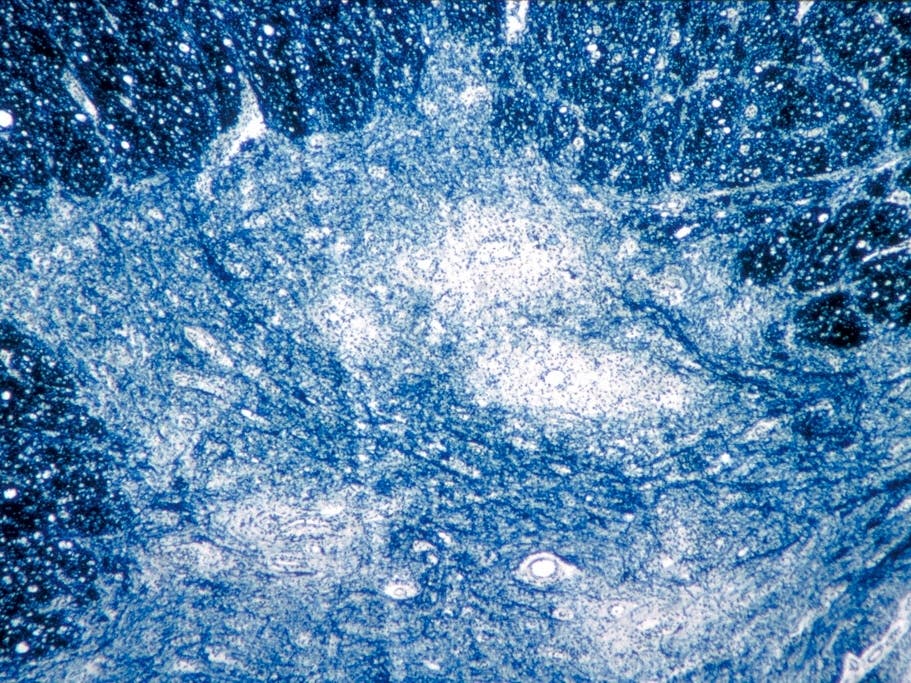
ROCKLAND COUNTY, NY — Rockland health officials are hosting polio vaccination clinics after learning that a local resident came down with the virus about a month ago.
It is the first U.S. case in nearly a decade.
The resident, an unvaccinated young adult, has developed paralysis, the Associated Press reported
Find out what's happening in New Cityfor free with the latest updates from Patch.
It appears the patient had a vaccine-derived strain of the virus, perhaps from someone who got live vaccine — available in other countries, but not the U.S. — and spread it, officials said.
Anyone who has not been vaccinated against polio, once the terror of families across the United States and still a global scourge, is at risk.
Find out what's happening in New Cityfor free with the latest updates from Patch.
Polio spreads mostly from person to person or through contaminated water. It can infect a person’s spinal cord, causing paralysis and possibly permanent disability and death.
Pregnant women who are unvaccinated, and anyone who has not completed their polio vaccine series, or is concerned they have might have been exposed, should get vaccinated. Individuals who are already vaccinated but are at risk of exposure should receive a booster, which will also be available at the clinics.
Rockland County residents can pre-register for a free appointment here or call 845-238-1956 to schedule. Walk-ins will also be accepted.
Vaccines are also available through local healthcare providers, including Federally Qualified Health Centers. Anyone concerned about their vaccination status is encouraged to contact their healthcare provider or RCDOH to determine if they need a polio vaccine.
Polio was once one of the nation's most feared diseases, with annual outbreaks causing thousands of cases of paralysis. The disease mostly affects children.
Vaccines became available starting in 1955, and a national vaccination campaign cut the annual number of U.S. cases to less than 100 in the 1960s and fewer than 10 in the 1970s, according to the Centers for Disease Control and Prevention.
In 1979, polio was declared eliminated in the U.S., meaning there was no longer routine spread.
A multi-year global health campaign, assisted by volunteers and funding from Rotary International, has since ended routine spread almost everywhere, though polio is still endemic in Afghanistan and Pakistan.
However, numerous countries in Africa, the Middle East and Asia have also reported cases in recent years.
Rarely, travelers have brought polio infections into the U.S. The last such case was in 2013, when a 7-month-old who had recently moved to the U.S. from India was diagnosed in San Antonio, Texas, according to federal health officials. That child also had the type of polio found in the live form of vaccine used in other countries.
In this new case, RCDOH was alerted by Centers for Disease Control and New York State Department of Health officials Monday evening about a case — which remains the only case confirmed.
NYSDOH and CDC said this polio case was transmitted from an individual who received the oral polio vaccine, which hasn’t been administered in the U.S. since 2000.
There are two types of polio vaccines. The U.S. and many other countries use shots made with an inactivated version of the virus. But some countries where polio has been more of a recent threat use a weakened live virus that is given to children as drops in the mouth. In rare instances, the weakened virus can mutate into a form capable of sparking new outbreaks.
Continued circulation in settings where population immunization rates remain low means the weakened live virus can spread more easily to people who are unvaccinated against polio and who come in contact with stool or respiratory secretions, such as from a sneeze, of an infected person. These may cause illness, including paralysis.
Since OPV is not administered in the U.S., this suggests that the virus that caused the case in Rockland County may have originated in a location outside of the country where OPV is administered.
However, it does not necessarily mean that’s where it was transmitted.
Up to 95 percent of people infected with polio have no symptoms but can still spread the virus. The sick resident did not travel outside the country during the incubation window, officials said.
Rockland officials are doing a risk assessment in the community.
Meanwhile, Rockland County Executive Ed Day and County Health Commissioner Dr. Patricia Schnabel Ruppert encouraged residents who are unvaccinated, have not completed the polio vaccination series, or are at high risk for contracting polio even if they have completed the primary series to get vaccinated as soon as possible.
U.S. children are routinely vaccinated against polio with the inactivated vaccine. Federal officials recommend four doses: to be given at 2 months of age; 4 months; at 6 to 18 months; and at age 4 through 6 years. Some states require only three doses.
According to the CDC's most recent childhood vaccination data, about 93 percent of 2-year-olds had received at least three doses of polio vaccine.
Those who are fully vaccinated with the 4-dose series are at very low risk.
This case should serve as a wake-up call to the unvaccinated, said Jennifer Nuzzo, a Brown University pandemic researcher.
“This isn’t normal. We don’t want to see this," Nuzzo said.
Rockland has been a center of vaccine resistance in recent years. A 2018-19 measles outbreak there infected 312 people. This past week, anti-vaxxers commenting on the county's social media pages derided officials' efforts to encourage polio vaccination.
The county's first clinic on Friday vaccinated 18 people of varying ages. The second clinic will be held from 1 - 4 p.m. Monday at 50 Sanatorium Road (Building A) in Pomona.
The Associated Press contributed to this report.
Get more local news delivered straight to your inbox. Sign up for free Patch newsletters and alerts.