Community Corner
Environmentalists Urge NYers To Avoid Marine Mammal Close Encounters
The advisory comes as whales have been washing up on NY and NJ beaches and dolphins were recently sighted in the Bronx River.


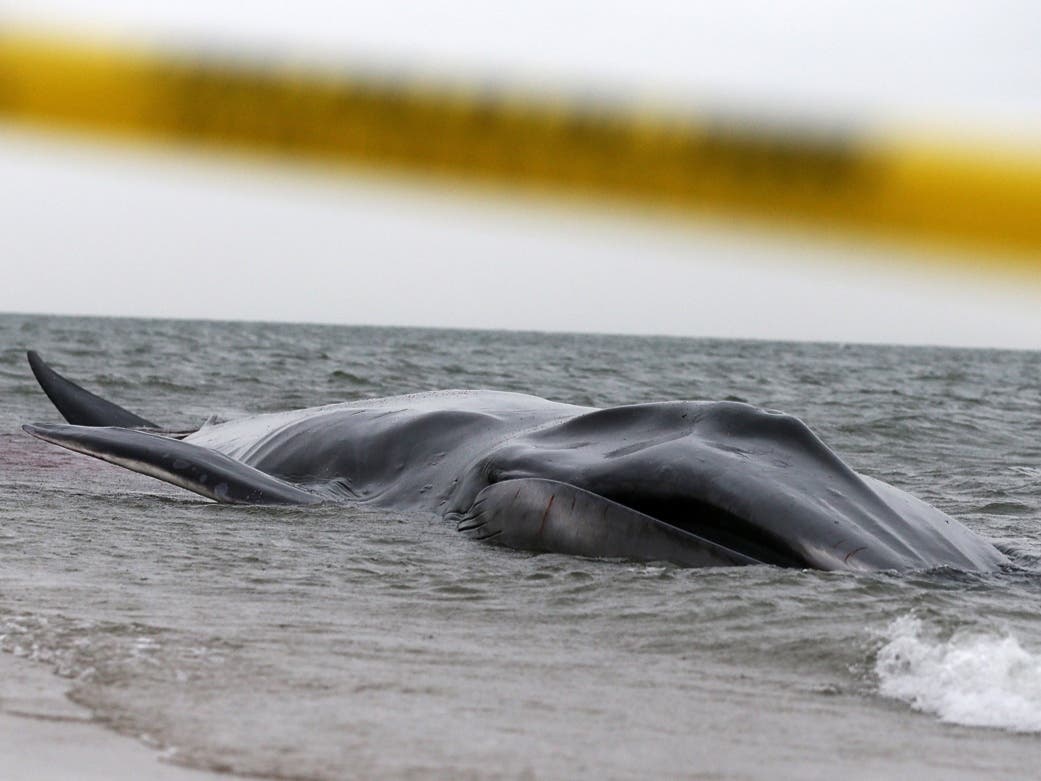
NEW YORK — The New York State Department of Environmental Conservation is reminding the public not to get too close to marine animals, after a string of recent encounters with distressed sea mammals grabbed headlines.
The agency is urging the public to immediately report sightings of distressed whales, dolphins and seals to the New York Stranding Hotline.
New York State Department of Environmental Conservation (NYSDEC) Commissioner Basil Seggos reminded New Yorkers along coastal shores to always keep a safe distance from marine mammals and resist the urge to intervene when an animal comes ashore. Marine mammals, which include whales, dolphins, porpoises and seals, are protected by federal and state laws to ensure they are not harmed and to keep people at a safe distance.
Find out what's happening in New Rochellefor free with the latest updates from Patch.
"New York's marine waters provide vital nursery and foraging grounds for whales, dolphins, and seals that migrate across the Atlantic Coast," Seggos said. "Observing these animals in the wild can be an exciting and unforgettable experience. However, DEC urges New Yorkers to keep their distance and refrain from attempting to intervene during stranding events. Stranded animals will need professional medical care and the best way to help is to immediately contact the Stranding Hotline."
Find out what's happening in New Rochellefor free with the latest updates from Patch.
According to the agency, the public can best help injured or distressed marine mammals by reporting sightings immediately to the New York Marine Mammal and Sea Turtle Stranding Hotline at (631) 369-9829 so trained responders can properly assess and care for these animals.
"Marine mammals and sea turtles have been observed in the New York Bight more frequently in recent years," Atlantic Marine Conservation Society Executive Director Rob DiGiovanni said. "Community members are instrumental in the work that we do, especially in reporting sick, injured or deceased animals. Our mission is to share the lessons learned from marine mammal and sea turtle stranding events and we are available to present safe wildlife viewing and response protocols for our community partners. It's most important to remember to first call the Stranding Hotline so that trained responders can help assist animals when they're in a stressed and vulnerable situation."
New York's marine waters are visited by many species of whales and dolphins. The federal Marine Mammal Protection Act (MMPA) administered by the National Ocean and Atmospheric Association (NOAA) requires people to maintain a safe and legal distance from marine mammals on water and land. Check NOAA's Marine Life Viewing Guidelines for specific viewing distance laws and regulations for various marine mammal species. It is illegal to touch, feed, disturb or harass marine mammal species, including whales and dolphins. A violation of the MMPA may result in up to one year of jail time and/or fines up to $20,000.
If a distressed animal or carcass washes ashore, do not attempt to intervene or touch the animal. Instead, immediately call the 24-hour New York Marine Mammal and Sea Turtle Stranding Hotline to report the animal and its location., officials said.
"We truly understand that people have the best intentions when trying to help these charismatic marine animals. However, most of these animals are extremely compromised and an inexperienced person could cause more damage to the animal," New York Marine Rescue Center Program Director Maxine Montello said. "We encourage people to help by immediately calling the New York Stranding Hotline to report all sightings or standings of marine mammals and sea turtles."
While attempts by the public to push animals back toward the water may be well-intended, there are serious safety concerns for both the animals and the people who intervene, according to the NYDEC. Entering the water with live distressed animals, and even large carcasses, is extremely hazardous. Unpredictable movement by the animal, the force of the ocean surf, and harsh weather conditions can lead to serious human injury or death. The physical effort of pushing, rolling or dragging the animal by the tail puts additional strain on their bodies and can cause further injury or delay professional care. To provide the best assistance possible for the animal, contact the Stranding Hotline and a trained responder will guide callers through possible next steps.
See Also:
- Hudson Valley On The Water: Long Island Sound's Most Peculiar Private Island
- Hudson Valley On The Water: Tackling 'Ghost Fishing' In The Long Island Sound
- Hudson Valley On The Water: The Birds Of Huckleberry Island
- Hudson Valley On The Water: Walkway Over The Hudson
- Hudson Valley On The Water: Playland Memories For Sale
- Hudson Valley On The Water: Execution Rocks Light
- Hudson Valley On The Water: 'Albany Beef' Saved From The Brink
- Hudson Canyon National Marine Sanctuary Moves Forward
Officials said that simply remaining at the site until help arrives is, in most cases, the only action permitted.
The reminder from state environmental officials comes as seal season approaches in our area.
Harbor, grey and harp seals are regularly seen on many of New York's saltwater beaches and in bays during the winter, the agency said. The height of the season in New York is typically March through May, but they can be observed as early as November and December in some areas of New York.
Seals can commonly be seen hauled out (laying) on rocks and sandbars. This behavior is essential for seals to rest, socialize and regulate body temperature. The DEC reminds New Yorkers that most seals on land are not in distress and that interfering with their natural resting behavior can cause illness, injury or even death for these animals. Please help keep seals safe by allowing them the space and time they require on the beach.
Remember that while they may appear friendly and adorable, seals are wild animals with sharp teeth, capable of biting and sharing disease, so always keep people and pets at least 50 yards away from seals. While viewing seals from this legally safe distance, if the seal's behavior changes and/or they notice your presence, that is a sign to move further away. Signs of stress in seals include raising their flippers, showing their teeth, yawning, and eating sand and rocks.
New Yorkers can report general sightings of marine mammals to the NYSDEC's Flipper Files digital survey to help the DEC better understand marine mammal distribution in New York.
For more information on whales, dolphins and seals, visit DEC's Marine Mammals of New York and Marine Protected Resources webpages.
If you observe an individual harassing or endangering New York's marine life, contact DEC Environmental Conservation Police Officers (ECOs) to report the incident by calling 1-844-DEC-ECOS for 24-hour dispatch or emailing this address (for non-urgent violations).
Get more local news delivered straight to your inbox. Sign up for free Patch newsletters and alerts.