Neighbor News
Mario Vasquez on Lobbying as a 501(c)(3)
Mario Vasquez, a New York City-based attorney, explains how a nonprofit can lobby.

To avoid losing a tax-exempt status and trouble with the Internal Revenue Service (IRS), a 501(c)(e) nonprofit organization should be mindful of political campaigning. According to the IRS, no organization may qualify for section 501(c)(3) status if a substantial part of its activities is lobbying or influencing legislation.
However, a 501(c)(3) organization can engage in some lobbying efforts and can involve themselves in public policy without the activity being considered as substantial lobbying. A greater understanding of the applicable laws will allow more organizations to incorporate lobbying. Here’s what you need to know:
501(c)(3) Organizations
According to the Foundation Group, a section 501(c)(3) is the portion of the US Internal Revenue Code that allows for federal tax exemption of nonprofit organizations. Furthermore, these entities cannot be organized or operated for the benefit of private interests. The majority of 501(c)(3) organizations are nonprofit corporations and are classified as either a private foundation, public charity or private operating foundation. A major benefit for Section 501(c)(3)s as compared with other tax-exempt entities is the tax deductibility of donations.
Find out what's happening in New Rochellefor free with the latest updates from Patch.
Restrictions
501(c)(3) entities are highly regulated. The organization’s net earnings may not benefit any private individual or shareholder. Additionally, 501(c)(3) organizations are restricted in how much political and legislative activities they are involved in and substantial involvement in political campaigns is strictly prohibited. Violation of these restrictions could lead the IRS to revoke tax-exempt status or impose excise taxes on the organization.
Although 501(c)(3) organizations cannot participate in political campaigns, there are ways to engage in some activities without violating the IRS restrictions. A 501(c)(3) organization can participate in non-partisan activities such as non-partisan candidate debates voter education, as long as these activities fulfill the exempt purposes. Additionally, these entities can participate in legislative advocacy and issue-related advocacy, as long as it follows specific rules and steers clear of political campaigning.
Find out what's happening in New Rochellefor free with the latest updates from Patch.
Lobbying Tests
Most nonprofits use the IRS’s “Substantial Part Test” to determine how much they can lobby. This test evaluates if a substantial part of the organization’s overall activities is dedicated to lobbying. Unfortunately, what is considered “substantial” has never been clearly defined. Among many factors the IRS considers are the time devoted to lobbying by both paid and volunteer workers and the amount of money the organization spends on political involvement. If the IRS determines that a substantial part of the 501(c)(e) organization’s overall activities are related to lobbying, the IRS will revoke the tax-exempt status for that year, and all donors cannot deduct their contributions.
Some 501(c)(e) organizations utilize the “501(h) Expenditure Test,” to measuring lobbying efforts. The expenditure test allows the organization to elect to have the expenditure test apply. Under this test, an organization that has excessive lobbying activity over a four-year period may lose its tax-exempt status, making all of its income for that period subject to tax.
There are undoubtedly strict rules for 501(c)(3) organizations pertaining to lobbying. However, knowing what constitutes as lobbying under federal law and what the limits are, is the key to being able to politically campaign. If a 501(c)(3) organization wants to be able to engage in lobbying, they can also start an advocacy organization and then ask for 501(c)(4) status from the IRS. Be sure to check back soon for another article on how to start a 501(c)(4)!
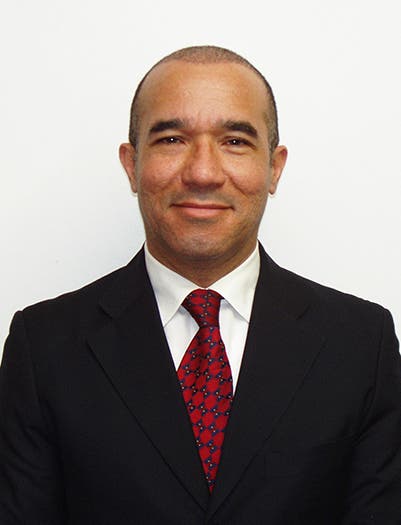
Mario Vasquez has a diverse and extensive curriculum in both education, travel, and professional endeavors. He currently serves as an Attorney and Counselor at his own law firm in New York City, New York. Read more of Mario's blogs or follow him on Twitter!
Originally published at marioavasquez.net.