Community Corner
Beekeeper's Hives Vandalized: 'I Cried In That Bee Yard'
See the amazing act of love a Long Island beekeeper, who says eight hives were vandalized, has planned, to combat evil with good.


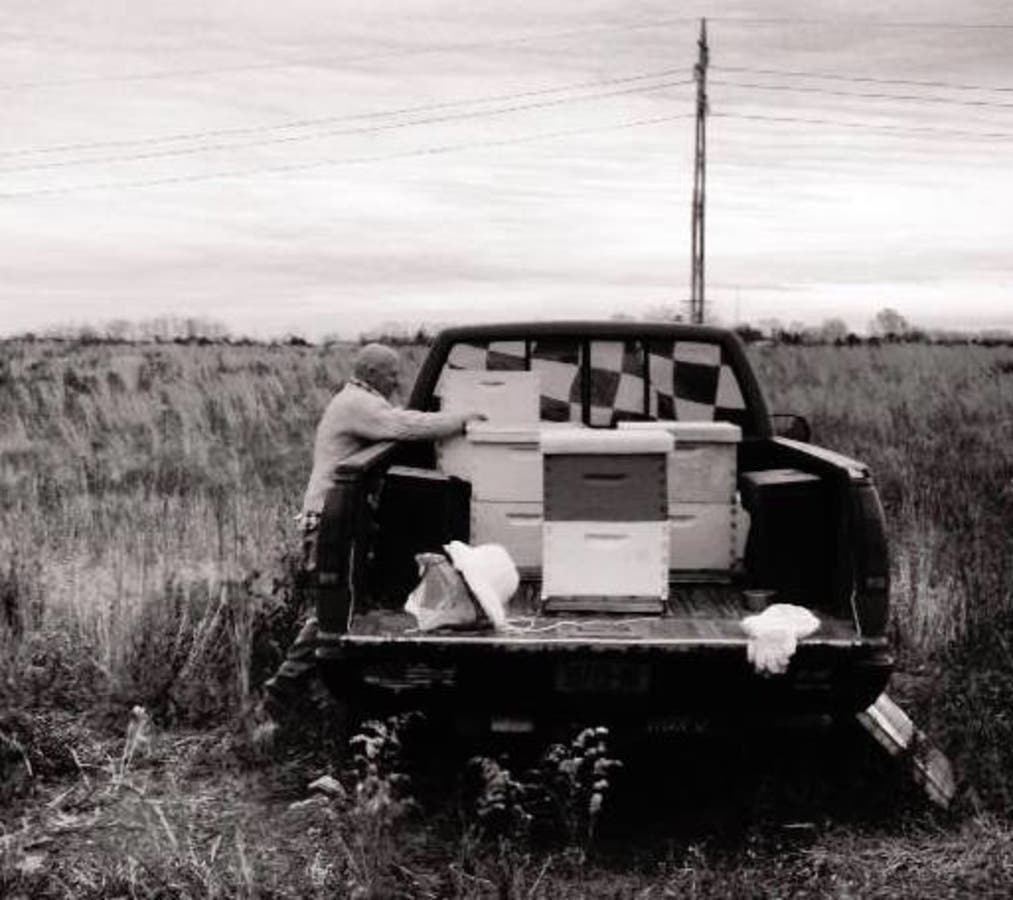
MATTITUCK, NY — North Fork master beekeeper Chris Kelly said his heart broke when he saw that eight of his hives in Aquebogue had been destroyed.
Kelly, of Promised Land Apiaries, who believes the hives were vandalized, said he was stricken at the discovery Saturday.
But instead of focusing on calling the police or on revenge, Kelly has decided to perform an act of love to combat evil.
Find out what's happening in North Forkfor free with the latest updates from Patch.
"I've been doing some thinking after seeing eight of my hives destroyed by vandals," he wrote on Facebook. "I mourn the loss of the precious bees and am deeply saddened by the hatred of the vandals. My faith tells me to bless those who spitefully use you, and to repay evil with good. This is what I'd like to do."
And so, he said, Promised Land Apiaries is going to donate a total of eight five frame nucs for people, either to to start up in beekeeping, or to repopulate hives they've lost. He asked those interested to private message him on his Facebook page.
Find out what's happening in North Forkfor free with the latest updates from Patch.
"Let's sow hope and light in our community," he wrote.
Earlier, he'd written that the "winter of sorrow" for his bees continued when he went to check on more locations and found two of the five yards had been completely destroyed by vandals.
"Talk about heartbreak," he said. But, he said, the good news in the yards not touched, almost 100% of the hives were alive and thriving.
In an interview with Patch, Kelly said he's been beekeeping for more than 47 years. During that time, he saw an act of vandalism 30 years ago, when in Florida, he dropped off 96 colonies of bees on 24 pallets in an orange grove; the next morning, they'd been stolen.
Nowadays, Kelly said, there are tracking systems in the frames that helps prevent theft.
Another time in Riverhead, a yard of 15 colonies were run over by trucks. "It looked like they were obliterated," Kelly said.
The most recent discovery, Kelly said, was "just seemed surreal." At first, he said, he didn't even realize that the 8 hives had been vandalized. "All the hives were turned over, everything was laid out," he said. At first he thought they just needed to be put back together and it didn't occur to him that someone had been "busy knocking hives over."
Kelly estimates that between 12,000 to 16,000 bees per each of the eight hives all died.
"I cried in that bee yard," he said. "I can replace equipment easily — but the death of those bees hurts."
But rather than focus on revenge, Kelly has decided to combat an act of evil with one of good.
"We have a responsibility to be good stewards," Kelly said.
After he discovered the hives, he said he was in denial. "Sometimes I'm a bit naive. I don't really think people can be that evil, and yet they are," he said.
Over the years, Kelly said he's seen evidence of other acts of animal cruelty, such as when he once found cats, tied in a pillowcase, that had been tossed off the bluffs after summer people left for the season. Kelly said he used to find abandoned animals and bring them to the shelter.
He and his wife Lesaya, a minister at the Crossover Christian Church in Mount Sinai, also have a rescue dog who he says had been beaten as a puppy.
A self-described "passionate environmentalist," Kelly, of the East End School of Beekeeping, who's also been on the board of the Long Island Native Plant Initiative, also teaches courses in beekeeping. He's a Cornell-trained entomologist, who has spent years dedicated to rearing Long Island bees in a sustainable fashion, minimizing the use of "harsh chemicals" to manage pests such as Varroa mites, which are "devastating" to honeybees and the primary reason honeybees are in jeopardy today, Kelly said.
Kelly gives a talk, "The Perfect Storm," which touches on the three greatest challenges facing bees, including Varroa mites, fractured forage areas, and pesticides. "We have these three things coming together and bees are in serious trouble," he said.
Kelly's focus is on education; he also rears his own queen bees, both for the love of the hives and his creation of local North Fork honey. He also sells beeswax.
But for Kelly, his heart lies in training beginning beekeepers and teaching beekeepers how to manage hives "in a challenging scenario," he said.
Faced with the harsh reality of the vandalism, Kelly chooses light. "I'm fundamentally convinced that the East End, and in the North Fork community, are the greatest places to live. Period. So the take home is, I'm not going to respond to evil with evil. I'm going to respond by saying, 'No, this is not acceptable in our community, and this is the way our community fights you.' Good will always overcome evil."
He and his wife and their church organize a Thanksgiving dinner each fall; their church is comprised of 60 families but most recently fed 145 families, or about 800 people, on Thanksgiving through their food drive.
"We've partnered with the farms of the North Fork," he said, listing the many farmers who open their hearts and fields to help. "That's the beauty of the North Fork community, it comes together, and we are feeding people with the best — we're not giving them leftovers. We're giving them dignity."
It's his innate purity of spirit that had neighbors outraged by the vandalism to his hives, and uplifted by his response.
"Chris's love of bees is infectious," said Joanna Lane of Cutchogue. "He inspires everyone he meets with his enthusiasm and expertise. Nobody understands and empathizes with bees more than Chris Kelly. I am so touched by his response to this awful vandalism, which is to combat evil with good, inspiring many more in the community to save the bees. He's great man, and such a valued member of our community."
Patch photo courtesy Chris Kelly.
Get more local news delivered straight to your inbox. Sign up for free Patch newsletters and alerts.