Crime & Safety
Heroin ODs Down By 80% In County For 1st Quarter: Commissioner
While the news is cause for "celebration," at least one expert has questions.


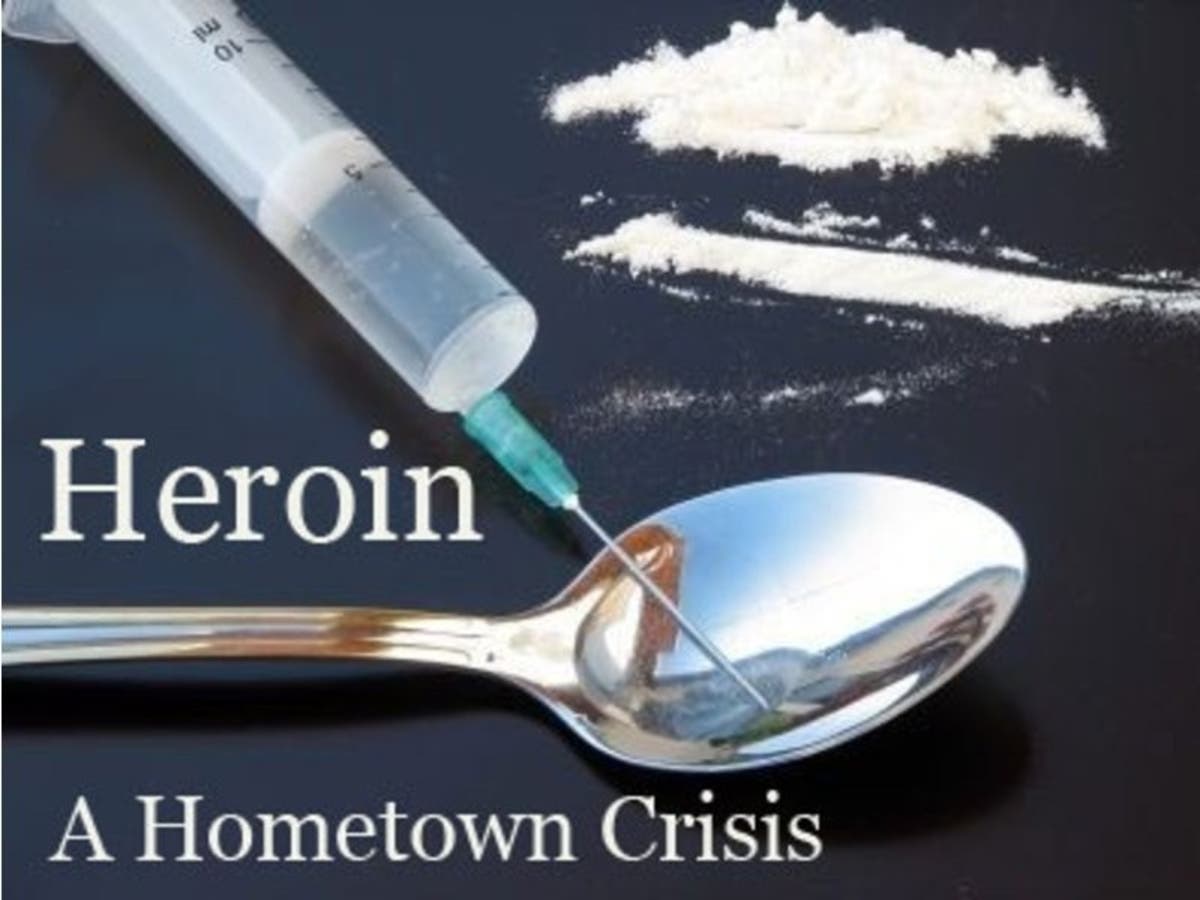
SUFFOLK COUNTY, NY — Heroin overdoses across Suffolk County are down by 80 percent for the first quarter of 2018, according to Suffolk County Police Acting Commissioner Stuart Cameron.
In statistics released this week, Cameron said that tackling the narcotics epidemic is a top priority for the department and the department has allocated a number of resources to tackle the issue, including increases in the department’s representation on the Drug Enforcement Agency task force, the size of the narcotics section and the involvement of precinct-level detectives in narcotics work while also partnering with the Nassau County Police Department in a task force to combat overdoses.
In the first quarter of 2018, there was a 24.6 percent increase in narcotics-related search warrants over the same time frame last year, a release said. During those searches, detectives arrested 155 people and seized 43 guns, Cameron year.
Find out what's happening in North Forkfor free with the latest updates from Patch.
"Drug seizures increased dramatically with 871 grams of heroin seized —189 percent more, year to date — and 3,732 grams of cocaine seized, or 724 percent more year to date," Cameron said. "Overall, the number of drug overdoses dropped 42 percent with 80 percent fewer people dying from heroin overdoses," Cameron added.
Dr. Jeffrey Reynolds, president and chief executive officer of the Family and Children's Association in Mineola, said the statistics raised questions.
Find out what's happening in North Forkfor free with the latest updates from Patch.
“If true and accurate, those numbers are cause for celebration," Reynolds said. "It’s easy to wonder, though, how many of those cases are still pending investigation by the medical examiner and will ultimately be classified as overdoses — and it’s likely that heroin overdoses were replaced with fentanyl overdoses. We also know that overdoses rise in the late spring and summer months, so numbers from the first quarter may not be indicative of what happens the other three quarters of the year."
Having lost a THRIVE recovery center volunteer to overdose two weeks ago, "and seeing what we are seeing in the community, it sure doesn’t feel like things are getting better," Reynolds said.
But, he added, "We remain hopeful and perhaps this will be the year that we begin to turn the tide. We’re grateful to our partners in law enforcement and we must continue to promote evidence-based prevention, treatment and programs that support people in recovery. There’s a ton of new money in both the recently approved federal budget as well as the state budget, which means that we will have more resources to combat the crisis. That certainly gives me hope that we can not only reduce fatalities from a treatable condition, but eliminate them altogether."
Drew Scott, newscaster and co-chair of the Southampton Town Opioid Addiction Task Force, lost his beloved granddaughter Hallie to an overdose. The numbers from the Suffolk Police represent only stats for the five western towns in Suffolk County, he said.
And, he added, "Our numbers of overdoses are down for the first quarter in Southampton according to the Southampton Town Police Department, but ambulance companies, fire departments and hospitals say their numbers are up. We need a more uniform system of counting."
Crime down countywide
In a release this week, Cameron shared other good news, stating that the department’s first quarter statistics show significant decreases in violent crime, with a double-digit reduction in overtime costs.
Violent crime, which includes homicide, rape, robbery and aggravated assault, dropped 18.9 percent for the first three months of 2018 compared to the same timeframe in 2017, he said.
Shooting incidents saw one of the most dramatic decreases of all statistics with nine people injured or killed by gunfire in 2018 versus 17 in 2017, a 47 percent reduction. Property crimes including burglary, larceny and motor vehicle theft are also down by 10.3 percent, he added.
Statistics on roadways also showed positive results at the start of the year as officers wrote 8.7 percent more traffic summonses as of March 24 with a 25% decrease in fatal motor vehicle crashes and an 11.1 percent reduction in motor vehicle crashes resulting in injuries, Cameron noted.
The results reflect the department’s increased focus on traffic enforcement, the incorporation of an effective intelligence-driven model to traffic enforcement and the department’s new alarm management program, which has freed up patrol time to allow for increased enforcement, he said.
“The statistics in the first quarter of 2018 show impressive results which are reflective of the hard work done by the men and women of this department,” Cameron said. “The drop in crime occurred with a 17 percent cost reduction in overtime during the first quarter.”
Drug crisis escalates nationwide
The good news in Suffolk County comes after a new CDC report indicating that opioids are spurring increased overdose deaths nationwide.
An epidemic of drug overdoses is spreading across the nation and among many demographic groups, and opioids are at the heart of the problem. Those are the findings of an in-depth analysis of 2016 drug-overdose data by the Atlanta-based Centers for Disease Control and Prevention.
According to the new CDC report, drug overdoses killed 63,632 Americans in 2016. That represents a 21.5 percent increases in the overall overdose death rate, and nearly two-thirds of those deaths involved a prescription or illicitly taken opioid, the CDC said.
Across all types of drugs, overdose deaths were up for both men and women, people ages 15 and older, all races and ethnicities and in urban, suburban and rural areas, according to the report. But it's opioids like fentanyl that are driving the uptick, doctors say.
"No area of the United States is exempt from this epidemic — we all know a friend, family member, or loved one devastated by opioids," said CDC Principal Deputy Director Dr. Anne Schuchat. "All branches of the federal government are working together to reduce the availability of illicit drugs, prevent deaths from overdoses, treat people with substance-use disorders, and prevent people from starting using drugs in the first place."
The results were published as part of the CDC's most recent weekly Morbidity and Mortality Weekly report.
The analysis looked at 2015-16 overdose deaths in 31 states and Washington D.C. The largest increase in opioid death rates was among men between 25-44. The death rate from synthetic opioids more than doubled, likely driven by fentanyl, the CDC said.
Prescription opioid deaths were up 10.6 percent and heroin-related deaths were up 19.5 percent.
Death rates from opioids increased in 21 of the states that were studied, with rates doubling in 10 of them between 2015 and 2016.
New Hampshire, West Virginia and Massachusetts had the highest death rates from synthetic opioids. Fourteen states saw significant increases in heroin deaths, with Washington D.C., West Virginia and Ohio at the top of the list.
Eight states — led by West Virginia, Maryland, Maine and Utah — had significant increases in prescription opioid deaths. Meanwhile, 16 states had significant increases in deaths involving cocaine and 14 had significant increases in deaths involving psychostimulants, which are sometimes mixed with opioids, the CDC said.
According to the CDC, the new report highlights the need for public health and law-enforcement agencies to work together to prevent overdose deaths.
Patch file photo.
Get more local news delivered straight to your inbox. Sign up for free Patch newsletters and alerts.