Community Corner
Leak Detected At Millstone Nuclear Power Station 'No Threat'
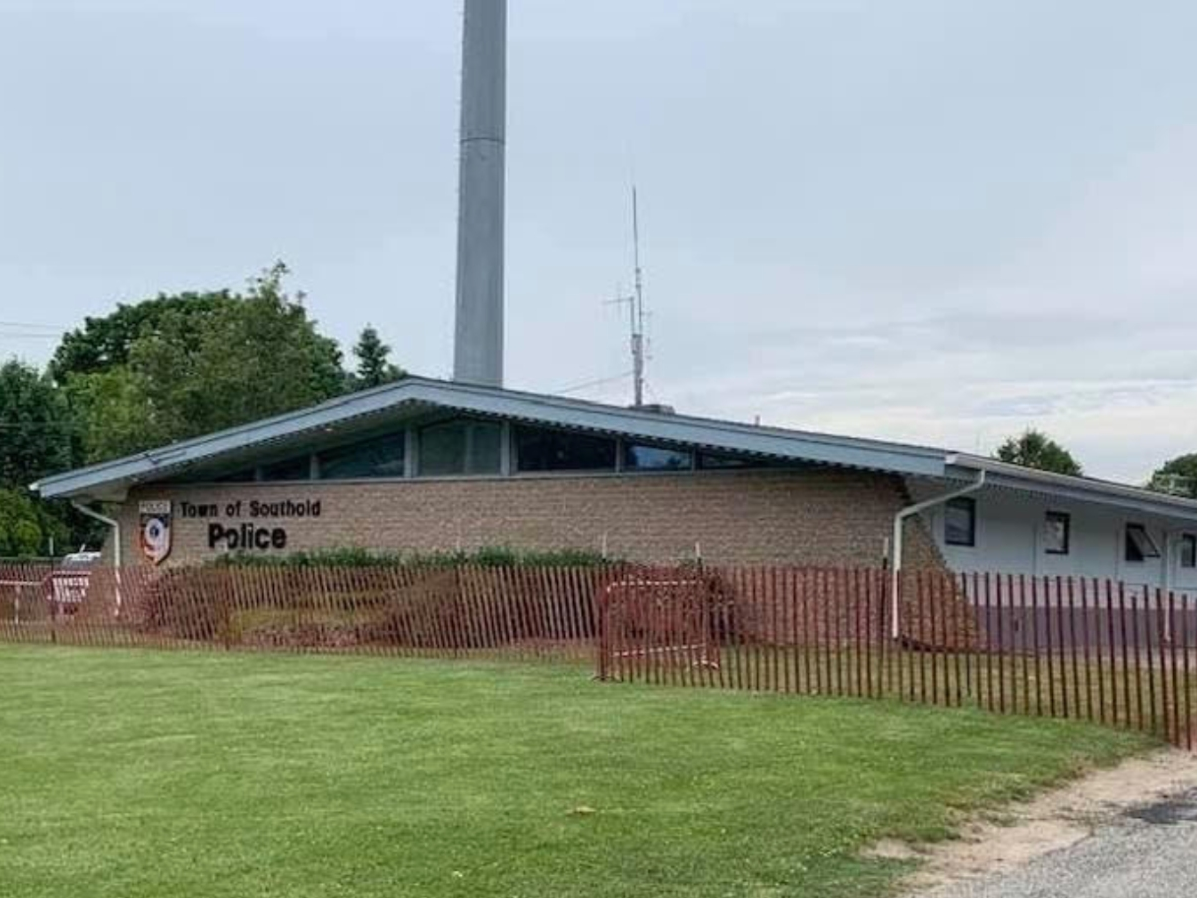
"It is a stark reminder that a nuclear power facility is operational not too far from Southold." Southold Town Supervisor Scott Russell.


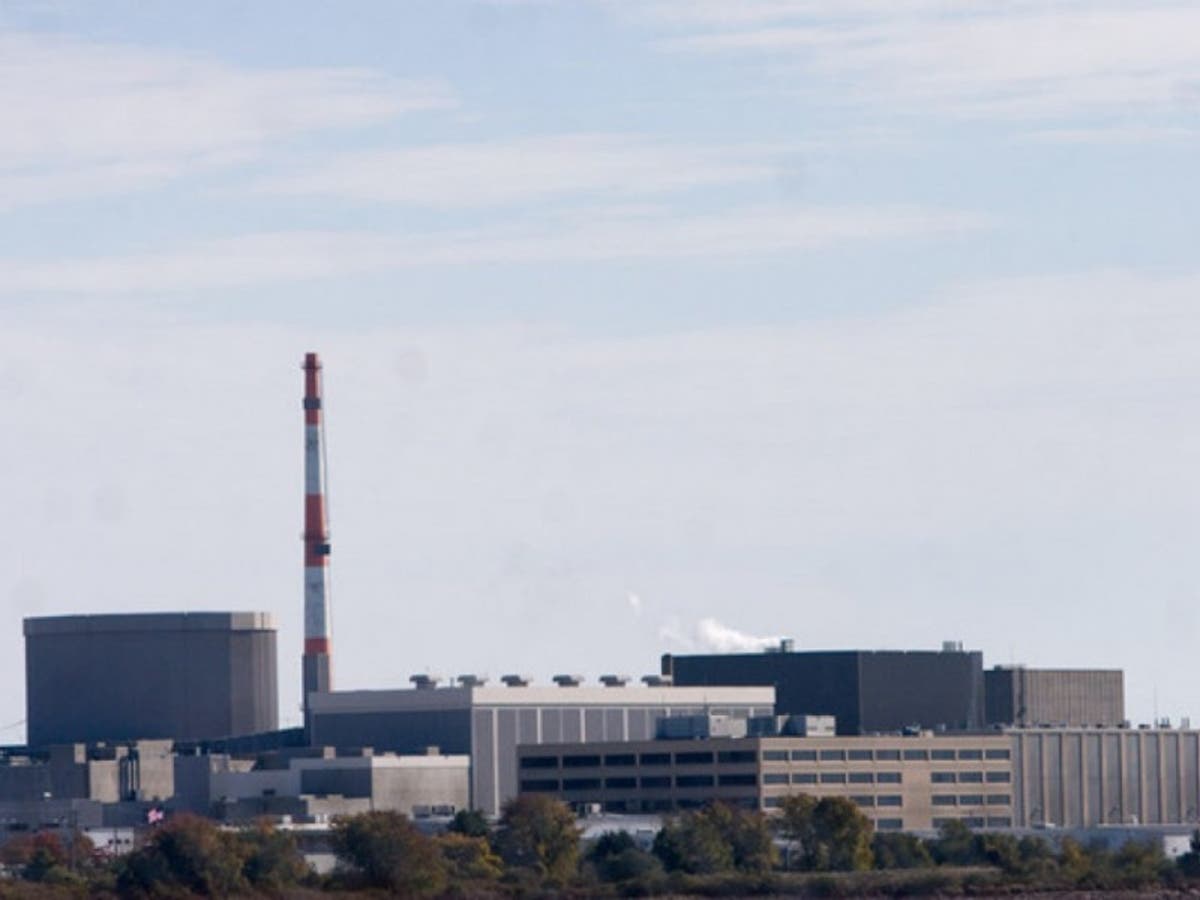
NORTH FORK, NY — A leak was detected recently at the Millstone Power Station in Waterfort, CT — but Millstone representatives assure that there is no threat to the public.
A voluntary notification dated Aug. 1, made in accordance with the Nuclear Energy Institute Industry Ground Water Protection Initiative, said that on July 31, Millstone Power Station workers identified a small leak on a piece of underground piping near Unit 3.
"The piping is part of a system that carries steam and water to a storage tank as part of normal operations. Workers had excavated the pipe to conduct inspection activities," the notification said.
Find out what's happening in North Forkfor free with the latest updates from Patch.
Tritium was detected in samples collected from the leak at a concentration between 17,000 and 23,000 picoCuries per liter, the release said.
"There is no impact to drinking water or threat to employees or the public," Millstone representatives said. "On Aug. 1, it was determined that, while the total quantity of water that has leaked from this pipe cannot be determined, it likely exceeded 100 gallons. Workers took prompt action to stop the leak and collect any residual leakage. Efforts are underway on a permanent fix. No tritium has been detected in any monitoring wells outside of the Protected Area."
Find out what's happening in North Forkfor free with the latest updates from Patch.
Workers identified the leak on the section of underground piping while conducting excavation work, according to Ken Holt, manager of communications for Millstone.
"The workers took prompt action to stop the leak and collect any residual leakage. Water from the pipe was tested and small amounts of tritium was detected. Tritium has not been detected in monitoring wells around the site’s Protected Area. There is no threat to employees or the public or impact to drinking water. We notified local and state officials and the NRC as part of NEI’s Groundwater Protection initiative. The notification was made not because of the amount of tritium in the sample, but because we could not determine the amount that may have leaked from the pipe but it was likely in excess of 100 gallons."
He added, "The pipe is currently isolated and won’t be put back into service until repairs are complete."
According to Millstone, the releases are well within federal limits; no tritium has been detected in any monitoring wells outside the Millstone Protected Area.
The collected leakage will be monitored and discharged in accordance with permit requirements. Tritium concentrations will be well within federal limits at the discharge point, Millstone reps said.
In addition, soil that has come in contact with the leakage will be removed, analyzed, and dispositioned in accordance with MPS’s procedures, Millstone said.
Tritium is radioactive hydrogen that is produced naturally by several ways, the most common of which occurs when cosmic rays strike air molecules in the upper atmosphere and interact with atmospheric nitrogen, Millstone representatives said. "Tritium is also a byproduct of nuclear reactor operations. Tritium is found naturally and in many manufactured items. Examples include luminous watch dials, building exit signs and night-reflective road signs."
In an explanation of events, Millstone said tritium is formed in reactors from nuclear fission. Chemicals needed for control of fission and corrosion are activated, producing tritium as a by-product; a small amount of tritium that is contained in the water used by various plant processes is released with the water that is part of the plant's normal liquid effluent.
"Because incidental leakage of small amounts of tritium from nuclear power station systems and components is possible, the potential impact of such leakage is evaluated as part of the initial licensing process for a nuclear power station," Millstone said. "The Nuclear Regulatory Commission has determined that such potential leakage of tritium does not represent a significant potential exposure relative to the overall dose limits the agency has established to assure the safety of plant employees and the general public."
However, if and when tritium is found in elevated levels above its natural presence in the environment, nuclear power stations are required to take actions to identify and investigate the cause of the elevated presence, monitor/trend and correct as appropriate Millstone said.
Tritium, the notification from Millstone said, emits low energy beta radiation that is blocked by skin. "Ingestion of tritium poses a small, but greater risk. If ingested, tritium does not concentrate in the body and is excreted through normal body functions," the notification said.
The Nuclear Regulatory Commission release limit of tritium in water to the environment is 1 million picoCuries per liter. The average annual concentration allowed in drinking water is 20,000 picoCuries per liter, Millstone said.
"The levels detected at Millstone are minute. The concentration of tritium found at Millstone is equal to dissolving an aspirin tablet in a volume of water equivalent to more than 37,000 Olympic-size swimming pools. Gallon equivalent = 1 aspirin tablet dissolved in 24 billion gallons of water," the notification said. "The Nuclear Regulatory Commission limits the amount of tritium that can be discharged and has determined that leakage of tritium does not represent a significant pathway of potential exposure relative to the overall dose limits that the agency has established to assure the safety of station employees and the general public."
Southold Town Supervisor Scott Russell spoke out on the leak: "I talked to representatives from Millstone who assured me that the leak posed no danger to the public, groundwater or the environment. The town and Millstone have a coordinated emergency plan and a good line of communication. I am confident in their assessment. Still, it is a stark reminder that a nuclear power facility is operational not too far from Southold."
For years, there has been a vocal contingent on the East End raising concerns about the area's proximity to Millstone, including former Suffolk County Legislator and now Southampton Town Supervisor Jay Schneiderman, who has questioned the safety of the facility.
Priscilla Star, founder of Coalition Against Nukes, reacted to the news: "My gut reaction to the downplaying of any public health risk from this leaking pipe is that the NRC will always protect its licensees by stating there is no danger. Millstone is on record for being of our most chronically leaking nuke plants whether into the air, the surrounding groundwater or into Long Island Sound which they use to cool it down. I suspect there is far more danger than they’re willing to admit."
And, said Nancy Burton, director, CT Coalition Against Millstone, "The NRC needs to find out how long this leak has been going on, what besides tritium is in the discharge, and whether it is dumped directly into the Long Island Sound."
In 2017, in an effort to understand its options to cease operations at the Millstone Power Station, a spokesman for Dominion Energy said the company was doing a "strategic assessment" of the power plant, The Day reported. Holt said the company had made no decisions on the future of the plant, but that it has contacted ISO New England to understand its options to close the plant, if it chose to move in that direction.
The company has received confirmation from ISO New England that it can transfer its capacity supply obligation or pay a penalty to exit the market early, according to the report. Millstone is contractually obligated to supply power to the regional grid through 2021.
Patch file photo.
Get more local news delivered straight to your inbox. Sign up for free Patch newsletters and alerts.