Neighbor News
How Your Diet Increases Your Stress
Certain food items can increase our anxiety, while others might lead to inflammation and discomfort.

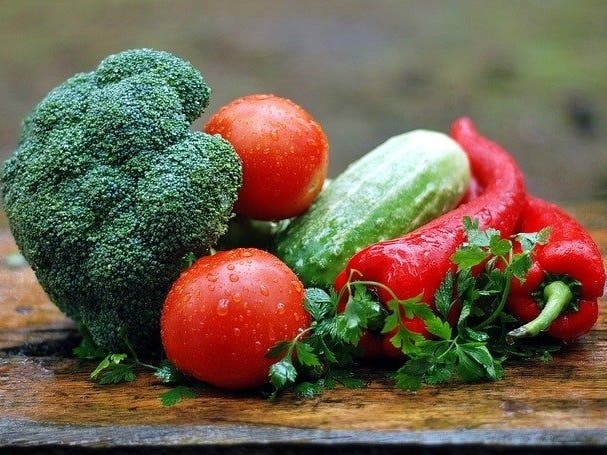
It’s that time of year, the holiday season, when many of us will be indulging in big family meals. While a lot of our social calendars will revolve around food, we might not always be paying acute attention to how the foods we consume could potentially feed our stress. Certain food items can increase our anxiety, while others might lead to inflammation and discomfort, especially if you have some form of food allergy. Stress itself can also fuel the way we respond to food — both by overeating or not eating nearly enough.
In fact, obsessing too much over a specific diet, like cutting calories, can increase stress. A 2010 study in Psychometric Medicine revealed that low-calorie dieting increased the body’s production of cortisol — the body’s key stress hormone — and a person’s overall perceived stress.
Food items that are known to produce stress
Find out what's happening in Nyack-Piermontfor free with the latest updates from Patch.
Shape Magazine's Cynthia Sass, a registered dietitian, provides a helpful outline of some food items that are generally known to produce stress in people. The magazine highlights:
- Caffeine: While helpful in giving you an added boost of energy for your day, caffeine can actually generate stress in your body by overstimulating the nervous system. This can lead to rapid heartbeats and an increase in blood pressure.
- Alcohol: Alcohol has been shown to generate the production of the same hormones — think cortisol, again — that are tied to stress. If you feel that too much alcohol, like caffeine, is having this impact on your body, you might want to cut down.
- Refined sugar: Sugary foods can cause shifts in your insulin and blood sugar levels that can result in stress-induced mood swings. If you love your holiday season sweets, you might want to consider cutting back and not having too much.
- High-sodium foods: Foods with a lot of sodium actually cause your body to retain fluid which impacts your heart and blood pressure. This not only leads to bloating, but it also ups the stress and anxiety levels in your body.
Solutions for eating in a less stress-generating way
Find out what's happening in Nyack-Piermontfor free with the latest updates from Patch.
While this might sound disappointing for those of you who want to indulge this season, there are solutions for eating in a less stress-generating way. The University of North Carolina at Chapel Hill recommends that you eat regularly at consistent hours each day, consume healthy fats — think omega-3 fatty acids in walnuts and fish oil, for instance — eat fruits and veggies, consume high-fiber foods like oatmeal and beans, and get a healthy amount of sleep. You can also chow down on healthy snacks that are high in fiber or protein like almonds, hummus, or yogurt. These are still tasty options that reduce the production of stress hormones and don’t lead to inflammation or the kind of sleep loss that generally cause anxiety or stress.
For more ideas, UCLA also suggests that — beyond omega-3s — you get nutrients like vitamin C, complex carbohydrates, and magnesium that all increase your energy levels, improve sleep and reduce stress. When it comes to liquids, they suggest you embrace tea. Herbal teas, especially, are known to have a soothing effect — reducing stress-induced anxiety, anger and insomnia.
At the end of the day, this isn’t a call to no longer enjoy your “holiday diet,” but just be mindful of what you consume and how it can affect you — both physically and emotionally.
Related articles by Dr. Wodicka: How Emotions Impact Your Body; Using Neuro Emotional Techniques (NET) to Mitigate Unresolved Stress