Health & Fitness
HV Turkey Salmonella Outbreak: What To Know Before Thanksgiving
What you need to know before prepping your Thanksgiving meal in New York, hard-hit by a salmonella outbreak linked to raw turkey.


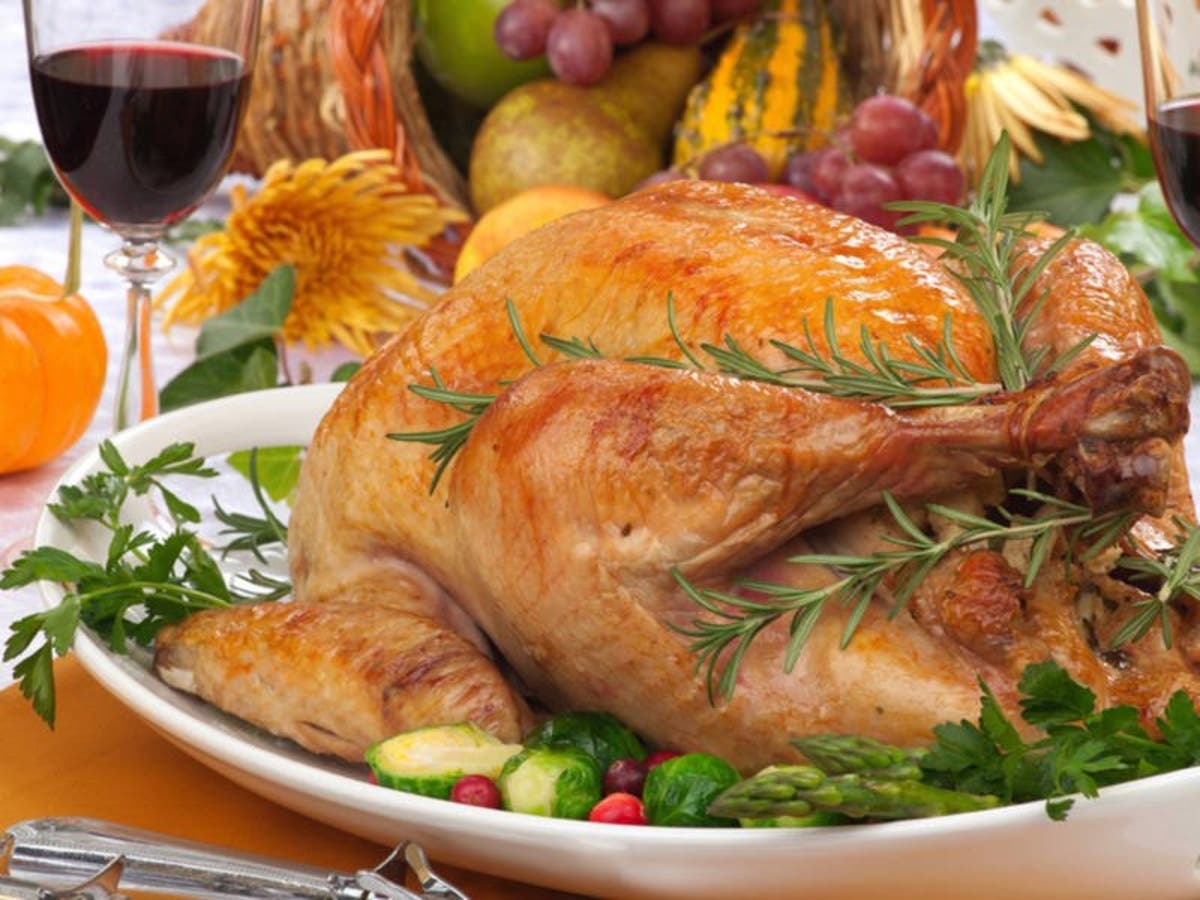
HUDSON VALLEY, NY — Your Thanksgiving bird could be a real turkey this year if you don’t take precautions. A salmonella outbreak linked to raw turkey has sickened 164 people in 35 states, and New York is one of the hardest-hit, the federal Centers for Disease Control and Prevention said.
The CDC is now warning people to be extra careful when they’re handling raw turkey, especially during the Thanksgiving meal preparation time. The CDC isn’t recommending that people not serve turkey this Thanksgiving, or that retailers not sell it.
Rather, the agency recommends, wash your hands thoroughly after handling raw turkey and make sure it’s cooked thoroughly. “This outbreak is a reminder that raw turkey products can have germs that spread around food preparation areas and can make you sick,” the CDC said.
Find out what's happening in Nyack-Piermontfor free with the latest updates from Patch.
The CDC said the outbreak hasn’t been isolated to a single supplier of raw turkey products or live turkeys, and the strain may be widespread throughout the turkey industry.
For Thanksgiving, thaw your turkey in the fridge, NOT on the counter. Now 164 people infected with Salmonella in outbreak linked to raw turkey products. https://t.co/JsSi2rSVxv
— CDC (@CDCgov) November 8, 2018
Minnesota and Illinois have reported the most cases of salmonella linked to raw turkey, with 17 and 16 cases each. Public health officials in California, New York and Texas have reported 13, 12 and 11 cases, respectively, since the outbreak was first reported in mid-July.
Find out what's happening in Nyack-Piermontfor free with the latest updates from Patch.
The drug-resistant form of salmonella is linked to the death of one person in California. Additionally, the CDC said Thursday, 63 people have been hospitalized as a result of the outbreak. Three of those who were sickened became ill after feeding their pets raw turkey, and another three either worked at a turkey processing plant or lived with someone who did.
Symptoms of salmonella infection typically include diarrhea, fever and stomach cramping within 12 to 72 hours after eating the salmonella-infected food. Most people recover in four to seven days without medical treatment, but some experience severe enough diarrhea that they require hospitalization. In some cases, salmonella may spread from the intestines to the bloodstream, and then to other places in the body. Children younger than 5, adults older than 65 and people with weakened immune systems are most susceptible to severe illnesses.
To prevent the spread of salmonella, follow these tips:
- Wash your hands frequently. Salmonella infections can spread from one person to another, so wash your hands before and after preparing eating food, after contact with animals, and after using the restroom or changing diapers.
- Make sure the turkey is thoroughly cooked to kill harmful germs. The CDC says turkey breasts, whole turkeys and ground poultry — including turkey burgers, casseroles and sausage — should always be cooked to an internal temperature of 165 degrees Fahrenheit to kill germs. Place the meat thermometer in the thickest part of the turkey. When reheating leftovers, make sure the internal temperature reaches 165 degrees Fahrenheit as well.
- Don’t pre-wash the turkey (or any meat) before cooking. You may think that washing equals cleanliness, but that’s not the case, according to the USDA, which says cross-contamination can occur when the bacteria in raw meat and poultry juices can spread to other foods, utensils and surfaces. And some of the bacteria is so tightly attached to meat that no amount of washing will dislodge it.
- In addition to washing your hands, immediately wash counters, cutting boards and utensils with soapy water after they touch raw turkey. It’s also a good idea to use a separate cutting board for raw turkey and other raw meats if possible, the CDC advises.
- Thawing the turkey in the refrigerator is recommended. If you’re one of those cooks who prefer to thaw the bird in a sink of cold water, be sure to change the water every 30 minutes. You can also thaw it in the microwave, but make sure to wash down the inside when you’re done. Never thaw the turkey on the counter.
- Don’t feed raw diets, including raw turkey, to pets. The CDC says germs like salmonella in raw pet food can make your pets sick, and you can get sick by handling the raw food or taking care of and playing with your pets.
Get more local news delivered straight to your inbox. Sign up for free Patch newsletters and alerts.