Community Corner
Brooklyn Abolitionist Home Named Landmark After Decade-Long Fight
Activists have been trying to save the Duffield Street home — where prominent abolitionists lived in the 1800s — since at least 2007.


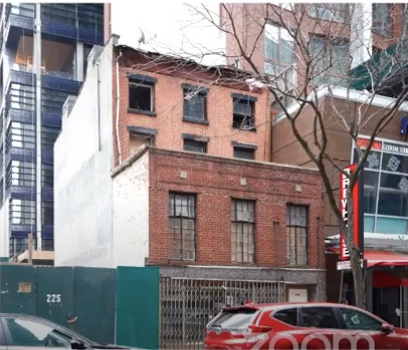
BROOKLYN, NY — A Brooklyn house that was once home to prominent abolitionists has been named a city landmark after more than a decade-long fight to save the property.
The Landmarks Preservation Commission voted unanimously on Tuesday to designate 227 Duffield St. in Downtown Brooklyn as a New York City landmark, marking a win for Brooklynites who have sought to save the home for at least the last 13 years.
The decision comes months after the commission added the home — where abolitionists Harriet and Thomas Truesdell lived in the mid-19th century — to their docket for possible landmarks last summer.
Find out what's happening in Park Slopefor free with the latest updates from Patch.
The row house had been threatened with demolition when plans to build an apartment tower on the property were filed a year earlier. With the landmark status, it is protected from being torn down.
“Since my time in the City Council, I have fought for the protection of this important site, and now, I am immensely proud that during Black History Month, we can finally say it’s here to stay," Attorney General Letitia James, one of several prominent lawmakers who supported the designation, said Tuesday. "This piece of Black New York history will be forever safeguarded so that future generations may know its story.”
Find out what's happening in Park Slopefor free with the latest updates from Patch.
The Truesdells lived in the Duffield Street house from 1851 to 1863 after first moving to Brooklyn Heights from Rhode Island. Their home in Brooklyn Heights was demolished to build the Brooklyn- Queens Expressway.
The couple were founders of several anti-slavery groups and friends with leading abolitionists like William Lloyd Garrison.
Activists and the late owner of the home, Joy Chatel, also said the home was a stop on the Underground Railroad, though the Landmarks Preservation Commission researchers said they could not confirm those accounts. Documenting the Underground Railroad is difficult given its inherent "clandestine" nature, the researchers said.
"Nevertheless, the building is historically significant as a rare example of a property associated with Brooklyn’s important legacy of abolitionist activity and specifically with the Truesdell’s," Director of Research Kate Lemos McHale told the commission.
The fight to save the Duffield Street home dates back to at least 2007, when the city settled a lawsuit Chatel had filed to protect the house from being taken by eminent domain as part of a redevelopment plan for Downtown Brooklyn.
A petition started two years ago to save the home has garnered more than 17,000 signatures. The Landmarks Commission said Tuesday more than 100 people sent in letters or testified to show their support for the designation.
"At a time when our nation continues to face a reckoning over the long and painful legacy of racial injustice, remembering and permanently enshrining these pieces of our history has never been more urgent," Brooklyn Borough President Eric Adams said. "We thank the Mayor and the LPC for recognizing the significance of this site, and the need to preserve it for future generations.”
Get more local news delivered straight to your inbox. Sign up for free Patch newsletters and alerts.