Community Corner
Here's The City's Infrastructure Plan For The Gowanus Rezoning
The city has revealed new details about how it will bring schools, transit infrastructure and stormwater regulations when rezoning Gowanus.


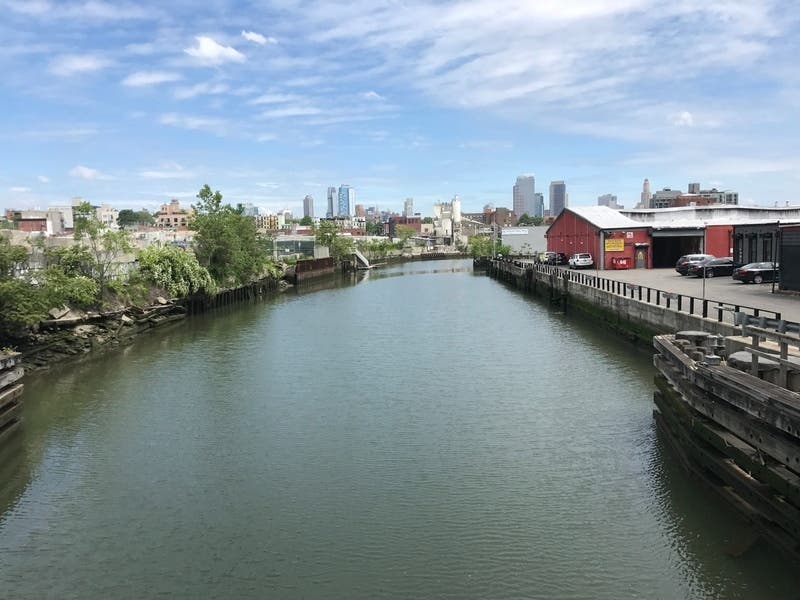
GOWANUS, BROOKLYN — The city revealed new details this week about how it plans to keep up with school space, transit needs and hotly-debated sewage overflow into the Gowanus canal during its impending rezoning of the neighborhood.
City officials shared plans Wednesday on new zoning and stormwater management rules that they say will help Gowanus' infrastructure keep up with the estimated 18,000 new residents expected with the Gowanus Rezoning, which will finally face the city's land use approval process in January.
“By working closely with Gowanus residents, leaders and businesses, and alongside other City agencies, we've come up with creative – and desperately needed – solutions to many of this community’s most pressing concerns: ensuring that school seats are added as new housing is created, that local subway stations are accessible, and that new developments will manage stormwater runoff to support the health of the Gowanus Canal," City Planning Director Marisa Lago said.
Find out what's happening in Park Slopefor free with the latest updates from Patch.
Among the infrastructure plans are new details about transit and school "bonuses" that would give developers incentives to include school space in their buildings or improve nearby subway stations.
Under the school plan, the city would create a special district within its zoning rules that would relax height, setback and floor area requirements for developers that include schools in their buildings. The hope is the incentives would bring enough new school seats to accommodate the neighborhood's population growth, while helping with existing overcrowding.
Find out what's happening in Park Slopefor free with the latest updates from Patch.
The transit plan includes similar incentives that would allow developers to increase the density and height of their buildings if they agree to build subway improvements at the Atlantic Avenue, Union Street and 4th Avenue/9th Street stations.
The updates would not address the need for more trains or buses to the neighborhood, but would help with "hard infrastructure" needs, like wider stairs or more elevators. DCP's Project Manager for the rezoning, Jonathan Keller, said the department plans to study the need for more buses and trains in its environmental review of the rezoning.
"What we have the ability to do is incentivize developers to fund and construct hard infrastructure where people enter into the system," he said. "[We're] looking for ways the private sector can help create the improvements will be key as we’re anticipating more population."
Wednesday's meeting also detailed how officials believe a new citywide stormwater rule, set to be finalized next year, will help reduce stormwater runoff despite the influx of development.
The Gowanus Rezoning's potential to further pollute the hazardous Gowanus Canal has been a sticking point for opponents of the plan. The waterway is undergoing a federal clean-up led by the Environmental Protection Agency.
The new city rule, developed by the Department of Environmental Protection, will mean five million fewer gallons of combined sewage overflow each year in the Gowanus Canal even with the 8,000 new homes expected under the rezoning, according to the department's estimates.
The infrastructure details come as the city prepares to certify its rezoning, known as the Gowanus Neighborhood Plan, in January. The department has been leading a series of meetings set up to give more details about certain parts of the plan, including a recent confirmation that a massive city-led development known as Gowanus Green will be 100 percent affordable.
Opponents of the rezoning have continued to protest against the proposal as it heads toward certification. Activists most recently held a rally on Thursday calling for a pause on the project.
Watch the full presentation on infrastructure here:
Get more local news delivered straight to your inbox. Sign up for free Patch newsletters and alerts.