Community Corner
NYC Challenges Climate Change, Energy Affordability
Now is the time for forward thinking by government policy makers to keep ahead of the challenges presented by climate change and inequality.
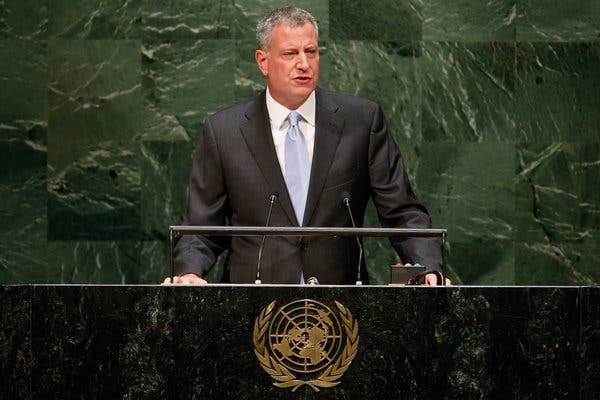


Mayor Bill de Blasio recently released New York City’s annual report on Climate Change, called “Building the Knowledge Base for Climate Resiliency.” The report details some dramatic findings and potential catastrophes the City could face if it fails to adequately prepare for coming changes in weather. There are concerns that city planners and emergency responders must take into account as the threat of increased storms, flooding, and heat waves are readily apparent.
Last year’s polar vortex, and the current arctic blast, has caused energy market prices and supply worries to add tremendous stress to an already over-extended New York and regional energy infrastructure. The news doesn’t have to be all bad, as sensible solutions are readily available and addressed in New York AREA’s latest issue brief on harsh winter weather.
The City’s report provides an additional opportunity to take measurable actions in advance of further climate challenges. One such area where New York City can make a difference is with the affordable housing initiatives pushed by the Mayor.
Find out what's happening in Park Slopefor free with the latest updates from Patch.
The five boroughs are in dire need of affordable housing but adding any type of housing comes with a cost. In a recent housing forum speech, New York AREA chairman Arthur “Jerry” Kremer said, “affordable housing should also mean affordable energy.”
Increasing the amount of units will inevitably lead to an increase demand for power so residents can heat or cool and illuminate their apartments. That power needs to be affordable but clean as well so it doesn’t negatively affect the environment.
Find out what's happening in Park Slopefor free with the latest updates from Patch.
In the winter of 2013-14 the northeast experienced the Polar Vortex, a period of extreme cold brought on by changes in weather patterns. During this period natural gas prices in New York climbed 394 percent for heating use and 252 percent for electricity. That price increase hits limited-income New Yorkers and struggling businesses hardest.
The U.S. Energy Information Administration identifies limited pipeline capacity in the northeast as a primary reason for such volatile price swings, together with a lack of fuel diversity for electricity generation.
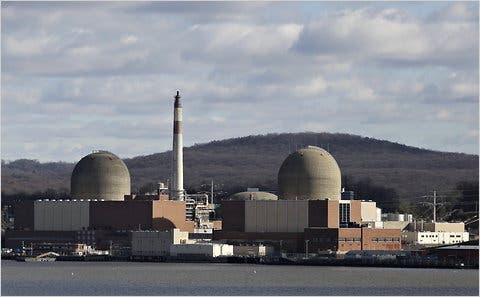
As Mr. Kremer points out, the needed, new housing initiative can serve as a laboratory to enable new and innovative technologies to combat climate change. Existing clean power producers, such as the Indian Point Energy Center play a vital role, as it provides the City with 25 percent of its power virtually emission free. Keeping it online has helped New York City achieve its cleanest air in five decades.
Another opportunity that sits on the horizon is the Port Ambrose natural gas import facility. It is designed to connect to existing pipeline infrastructure already in place 26 miles out on the sea floor, to add capacity during periods of winter and summer peak demand. The effect is estimated to lower energy prices by an estimated $300 million annually.
Now is the time for forward thinking by government policy makers to keep ahead of the challenges presented by climate change and inequality. That proactive leadership will protect New Yorkers and help them help them achieve affordable, reliable electricity for years to come.
Editor’s Note: Richard Thomas is Executive Director with the New York Affordable Reliable Electricity Alliance. Founded in November 2003, New York AREA is a diverse group of more than 150 business, labor, and community groups, individuals and energy companies including Entergy (the owner of Indian Point) and Liberty Natural Gas (the developer of the proposed “Port Ambrose” natural gas import terminal). New York AREA’s mission and purpose is to ensure that New York has an ample and reliable electricity supply and economic prosperity for years to come by engaging policy makers, businesses, and the general public regarding the necessity and importance of safe, low-cost, reliable, clean electricity. For more, visit www.area-alliance.org.