Neighbor News
Plow to Plate Films Presents: Food Design
See the secret chambers of a major manufacturer of food, where designers and scientists are defining your favorite mouthful of tomorrow.

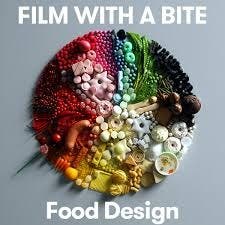
When you think about design you may picture current fashion trends, a sleek sports car, or the latest iPhone release. Probably food does not come to mind. But the 2010 documentary Food Design by Austrian designers Martin Hablesreiter and Sonja Stummerer will change that. They argue convincingly that design has been intrinsically related to all aspects of food since a caveman took his first bite of a wooly mammoth. In fact, it is humankind’s tendency to whip, mix, chop, and otherwise transform food that makes us unique and sets us apart from other animals.
While our species has been forging new paths of assembling, preparing, cooking, and innovating with natural ingredients for thousands of years, food design is now a high art displayed by haut chefs pushing gastronomic boundaries, as well as by food scientists and marketers creating fine-tuned and tested products that hopefully appeal to consumers’ needs, wishes, and dreams.
Food Design shows us that no aspect of any new food product is left to chance. Europe introduces 10,000 new products each year and in a Darwinian survival of the fittest, only one out of twenty of these will still line supermarket shelves two years later. For this reason, food designers conduct extensive research and development paying strict attention to every sense: color, smell, taste, sound, appearance and also functionality, texture, consistency, and overall coherence (a combination of appearance, taste, and how a product is used).
Find out what's happening in Park Slopefor free with the latest updates from Patch.
Surveys of consumers have shown that people associate the color red (strawberries, cherries, watermelon) with sweetness and juiciness which is why in a package of multi-colored gummy bears the popular red ones outnumber the others by 10:1. Conversely, black denotes decay and death, which is why sorting through your kids’ Halloween haul licorice is likely to be the only candy you’ll find that looks like tar. Consumer preference is also why butter appears yellow, as does vanilla ice-cream, though the bean itself is black not white. Interestingly, when food colors were altered from their natural state (for example serving red cauliflower) testers rejected these changes demonstrating the strong psychological component to how we perceive and taste food.
Our sense of smell, more so than even taste, determines how we savor food. With our mouths we can detect sweet, salty, sour, and bitter, but our nose does all the rest. It’s really our schnozzle that tells us if food is ripe or rotting, a fact not unappreciated by food designers.
Find out what's happening in Park Slopefor free with the latest updates from Patch.
The crunch of a potato-chip, the snap, crackle, and pop of your breakfast cereal, even the effervescent fizz of your favorite beer, all have been recorded and tweaked as carefully as a record producer making Taylor Swift’s latest studio album. The sound a cookie or cracker makes when you bite into it reveals (hopefully) freshness and is affected by its dimensions, thickness, ingredients, sugar content, baking process, heat level, and a host of other variables. All of this has been studied and incorporated into the production process!
We could go on about texture and consistency (they’re important), mouth-feel, and how your tongue acts as your throat’s gatekeeper, determining what you swallow and what you spit out in disgust. Food Design also delves into food’s utility – think about those cup shaped nacho chips that so niftily scoop up the salsa. But I will leave something for the screening. Rest assured, you will never think about, or see, smell, hear, or taste food in the same light again.
____________________________________________________________________
Food Design: Tuesday, December 9th, 2014
Park Slope Food Coop – 2nd Floor
7:00 p.m. Free and open to the public. Refreshments will be served.