Schools
Peekskill Schools Embrace Dignity for All Students Act
District implementing new law targeting bias, bullying, harassment; work load questioned.
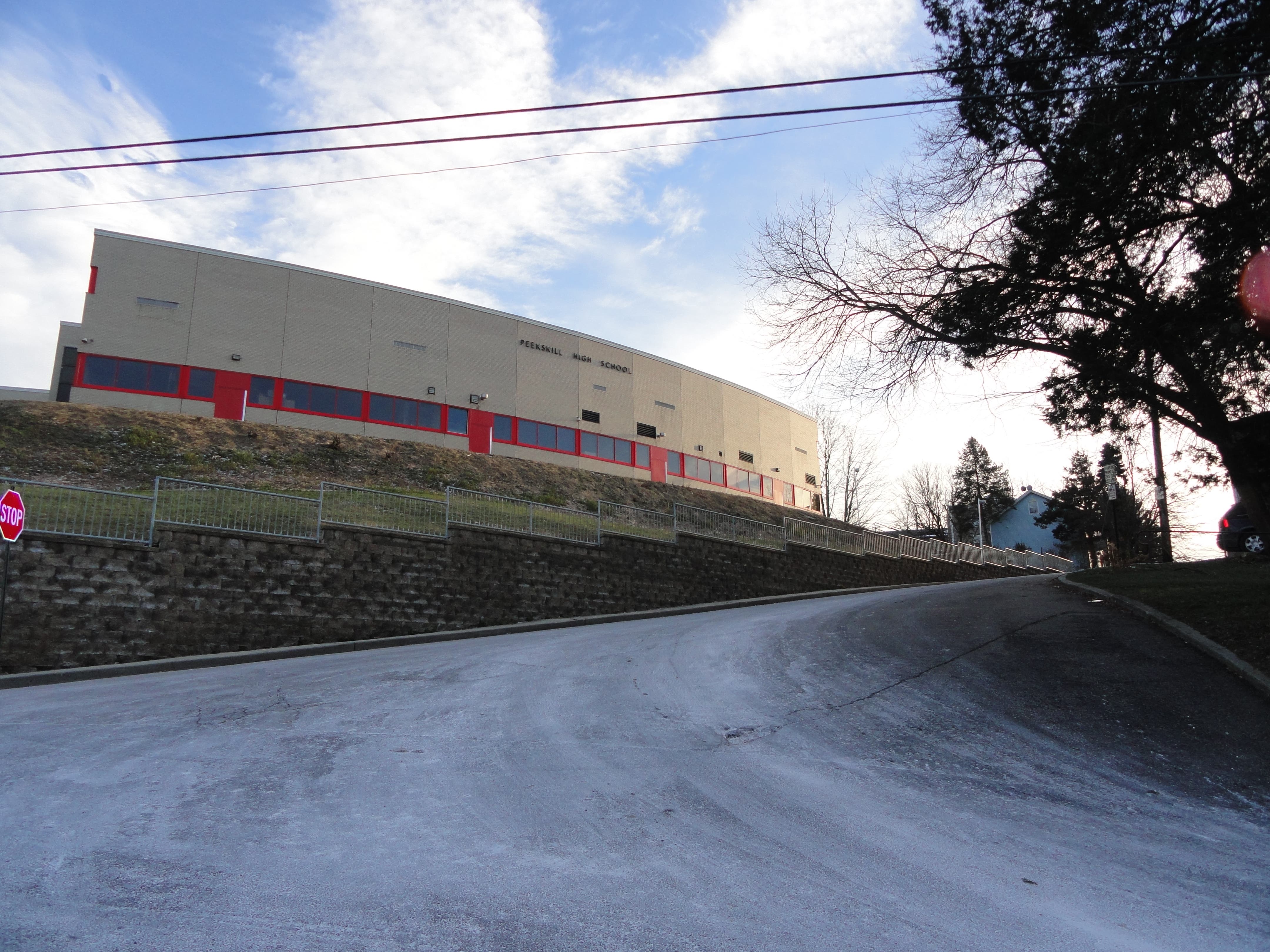

Peekskill schools are “well on our way” to implementing a statewide initiative targeting harassment, bullying and discrimination, the Board of Education was told this week.
The Dignity for All Students Act (DASA), which took effect July 1, is designed to help carry out state policy “to afford all students in public schools an environment free from discrimination and harassment,” according to the introduction to the school district’s Code of Conduct. The code was revised this spring to incorporate DASA requirements.
Maxine O’Connor, director of pupil personnel services and district DASA coordinator, explained during an update to the board Sept. 4 that the new act targets physical and verbal behavior by employees and students, based on such grounds as race, color, weight, ethnicity, religion, disability and sexual orientation, that creates a hostile environment.
Find out what's happening in Peekskill-Cortlandtfor free with the latest updates from Patch.
The DASA, often referred to simply as the Dignity Act, includes a mandatory reporting and response process and what O’Connor described as a “ladder of discipline” for repeated infractions.
“This is a new day, a new vehicle,” that puts more meat in the Code of Conduct, O’Connor said. “There is no need for anyone to feel bullied or uncomfortable.”
Find out what's happening in Peekskill-Cortlandtfor free with the latest updates from Patch.
Bullying is defined as “the intentional, unprovoked abuse of power by one or more individuals to inflict pain on or cause distress to another individual on repeated occasions,” according to O’Connor’s presentation. It encompasses real and perceived threats to a person’s physical safety.
The DASA provides an avenue for a victim to report bullying and harassment. Reports can be filed anonymously and online, and the district is required to initiate a response within 24 hours.
The act emphasizes investigation and active responses to complaints; dismissing them as “all talk” and ignoring hostile conditions are not options, O’Connor said. Teachers and other staffers have been trained, and will continue to be trained, to recognize signs of bullying and respond to complaints promptly and effectively.
Responses will include providing a safe haven and safety plan tailored specifically for each victim as well as trying to determine why the bully acted in such a manner and to help the bully improve his or her behavior. Another component is to educate students that it’s OK to report a problem and, if appropriate, intervene and say “Stop!” Disciplinary action can range from a time out and verbal reprimand to suspension and expulsion.
O’Connor said education was a key component of utilizing the Dignity Act to address shortcomings in the school culture and must involve parents and the larger community as well as students, teachers and all other components of the school community. Efforts to keep the act “high profile every day” could include a “Dignity Act moment” in daily announcements, newsletter articles, bulletin board notices, posters, “teachable moments” based on current events and a general effort to incorporate appropriate behavior into daily routines.
While applauding the goals of the act, board members voiced concerns about the staff time and other resources required “to do this well,” as board President Joseph Urbanowicz put it. The act, which O’Connor acknowledged was “another unfunded state mandate,” requires detailed responses, paperwork and data collection. She cautioned that initially she expected “a flood of complaints” from people who previously felt helpless.
Superintendent of Schools James Willis said the district would monitor the demands on staff time and keep the board apprised.
O’Connor said a key goal of the act was to prevent unacceptable behavior, not just react afterward. Board member Colin Smith, noting that negligence and inadequate implementation could lead to lawsuits, said prevention was worth the cost. Board member Lisa Aspinall-Kellawon said the conflict resolution issue involved the entire community, not just the schools.
The DASA has its own page on the district’s Web site, which includes a complaint form. O’Connor’s DASA team includes Joseph Mosey, assistant superintendent for curriculum and instruction, a coordinator at each school and a Dignity Act Committee. Please click here to read an earlier report about Peekskill’s implementation of the Dignity Act.