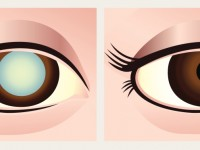
Diabetes and blindness often go hand-in-hand. In fact, diabetes is the leading causes of blindness in the US. There are many ways this disease can damage eyes and hurt sight.
Although anyone can get cataracts (clouding or fogging of the lens of the eye), people with diabetes get cataracts earlier than most and the condition progresses more rapidly than in people without diabetes. The lens of the eye is normally clear and focuses on an image just like a camera and allows us to see. Cataracts impair vision by limiting the ability to focus light. Symptoms include:
- Glare
- Problems reading
- Problems seeing in the distance
- The inability to correct vision with eyeglasses
- Problems with night driving
Strict blood-sugar control and wearing sunglasses are the only things that can delay progression of cataracts.
Find out what's happening in Plainviewfor free with the latest updates from Patch.
Another vision hazard for diabetes patients: diabetic retinopathy, caused by bleeding inside the eye. Bleeding in the eye can happen without symptoms or with “floaters” if the bleeding breaks through to the jelly of the eye. Patients with thesefloaters need immediate treatment via laser, injection or surgery.
As diabetic retinopathy worsens, symptoms may include:
Find out what's happening in Plainviewfor free with the latest updates from Patch.
- Spots or dark strings floating in your vision (floaters)
- Blurred vision
- Fluctuating vision
- Dark or empty areas in your vision
- Vision loss
- Difficulty with color perception
- Glaucoma
Patients may not know that their eyes are bleeding until it is too late. The longer you have uncontrolled diabetes, the more likely you are to develop diabetic retinopathy. This makes yearly dilated eye exams by an ophthalmologist critical for diabetes patients.
People with diabetes are twice as likely to develop glaucoma than those without diabetes. Glaucoma affects the optic nerve, which sends images to the brain. The likelihood of developing open-angle glaucoma, the most common form of the disease, is higher for someone with diabetes. Watch for these symptoms:
- Blurred or narrowed field of vision
- Severe pain in the eye(s)
- Halos (which may appear as rainbows) around lights
- Nausea
- Vomiting
- Headache
In some cases of diabetic retinopathy, blood vessels on the retina are damaged. The retina then forms new, abnormal blood vessels. If the abnormal blood vessels grow on the iris (the colored part of the eye), they close off the fluid flow in the eye and raise pressure in the eye—sometimes leading to neovascular glaucoma.
Neovascular glaucoma is rare, painful and always associated with other health abnormalities—most commonly diabetes. It is difficult to treat. One option is laser surgery to reduce abnormal blood vessels on the iris and on the retinal surface. Recent studies show some success with drainage implants.
If you have are pre-diabetic or have any type of diabetes, be sure to visit an ophthalmologist to screen for cataracts, diabetic retinopathy and glaucoma. If the doctor detects any of these issues, get immediate treatment with a specialist to save your sight.
This post was written by Carolyn Shih, MD, director of refractive surgery at the North Shore-LIJ LASIK Center.
For more North Shore-LIJ Health Blog posts, go to http://blog.northshorelij.com/
Contents of the health blog are the property of North Shore-LIJ Health System and are provided as a health resource for consumers, health care professionals and members of the media. The medical content on the North Shore-LIJ Health Blog is for informational purposes only and should not be considered a substitute for consultation with your physician regarding diagnosis, treatment or any other form of specific medical advice. These materials may be reprinted for noncommercial personal use only. "North Shore-LIJ Health System," "North Shore-LIJ," "northshorelij.com," "VivoHealth," their related entities and logos are trademarks of the North Shore-LIJ Health System. Copyright © 2011 North Shore-LIJ Health System. All rights reserved.