Community Corner
Suffolk County Executive Urges Extra Care for Pets in Bitter Cold Weather
The executive provides tips for how to take care of pets during the frigid weather.


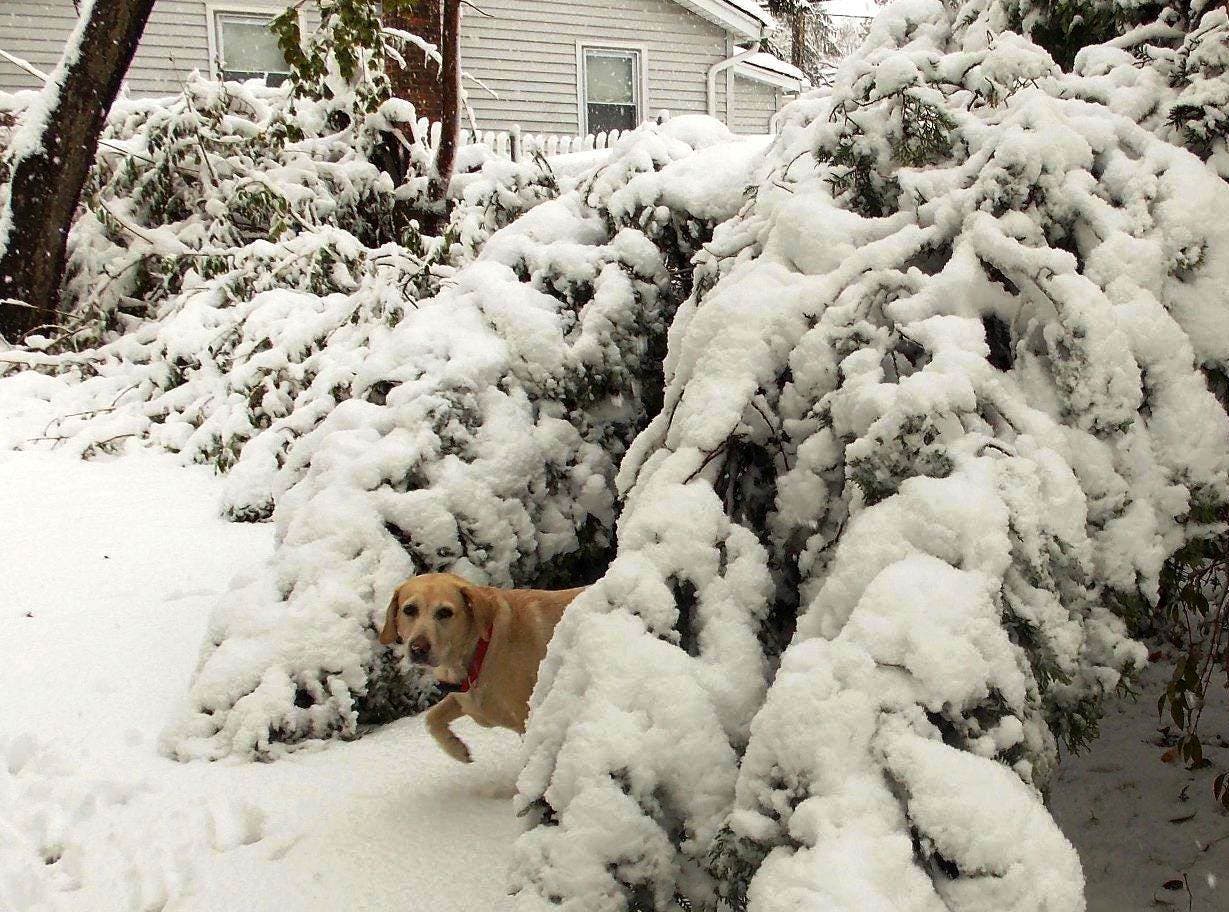
Suffolk County Executive Steve Bellone reminded residents Friday to protect their pets from the harsh winter weather conditions by following county law, keeping animals outdoors for only an extremely limited length of time.
According to Bellone, all dogs, even those with thick fur coats, are susceptible to frostbite and hypothermia when left exposed to the negative wind chills the region has been experiencing this winter.
Small dogs, or those with short fur, can find themselves in danger even more quickly.
Find out what's happening in Riverheadfor free with the latest updates from Patch.
“Please do not leave your pet outdoors when you are out of the home for any reason,” Bellone said. “If they must spend time outdoors, please monitor all pets closely and be sure to check for signs of hypothermia and frostbite once they come inside.”
Suffolk County’s efforts include enforcing anti-tethering laws, which prohibit animals from being restrained for extended periods of time and restrict the ways in which an animal may be restrained.
Find out what's happening in Riverheadfor free with the latest updates from Patch.
With weather forecasts projecting below-zero temperatures, the Bellone made these points to remind residents of the need to take care of animals:
- An animal should never be left outside while you are at work or out of the house for any extended period of time for any reason. Walks should be limited to less than 15 minutes if the temperature is below freezing.
- When an animal is restrained outdoors for extended periods of time, they may not have access to sufficient food, water, or shelter, which can result in injury, illness, or death.
- Even though dogs have fur coats, they are still susceptible to frostbite if the skin remains at a temperature of 23 degrees for an extended period of time. With wind chills in our area frequently dropping into the negatives, this can occur in a matter of a half hour or less. Sometimes signs of frostbite are not immediately apparent and can develop days after prolonged exposure to the cold. Symptoms include discoloration of the skin, skin that feels brittle to the touch, pain or swelling, blisters or ulcers on the skin, or, in extreme cases, blackened or dead skin. Be sure to check the most easily affected areas every time your pet spends any length of time outside, which are the paws, ears, and nose.
- Dogs can also develop hypothermia when their core body temperature drops below normal range. In small breeds, or for dogs with short fur, this can occur even at temperatures above freezing; a dog sweater should be considered in these instances. Shivering or trembling, lethargy, muscle stiffness, loss or coordination, pale or gray gums, dilated pupils, low heart and/or respiratory rate, and collapse or coma are all symptoms of hypothermia. Seek veterinary assistance if your dog suffers from a combination of these symptoms after spending time outdoors in these harsh weather conditions.
- If your dog must be outside for any reason this winter, monitor them closely and be sure to bring them indoors if they begin to shiver or whine.
Sign up for your local Patch newsletter and breaking news alerts here.
More on Patch:
- WATCH: Former Long Island Hairdresser Wins Publishers Clearing House $1M Prize
- Weekend Snow to Follow Dangerous Wind Chills
- Long Islander Makes Top 24 on ‘American Idol’
- Fire Destroys Greenport Home, 3 Suffer Minor Smoke Inhalation
- Man Struck by Car, Seriously Injured in Huntington Station
- Suit: Rockville Centre Surgeon Ridiculed Employee for Having Cancer
- Police: Trio Wanted in Five Towns CVS Robbery
- February 19- Suffolk Arrest Report
- Cops: Woman Struck, Killed by Car in East Rockaway
- DA: Westbury Seafood Firm Sold Over $100G in Fish, Shellfish Without License, Permit
Get more local news delivered straight to your inbox. Sign up for free Patch newsletters and alerts.