Health & Fitness
Father's Day Without My Dad
Father's Day without my dad took on a whole new meaning for me once my kids were born.
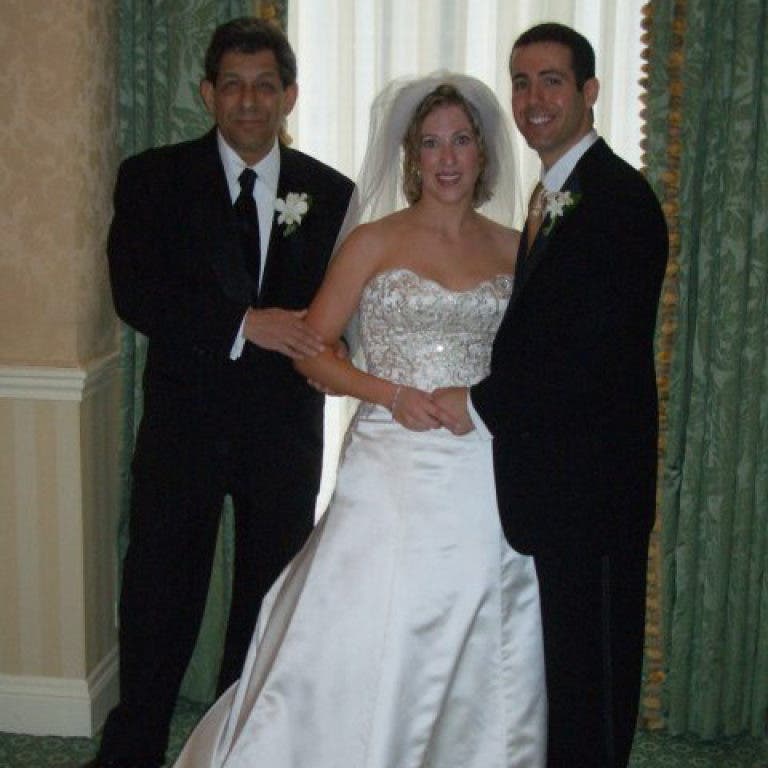
Nine years ago this week, I became engaged. The next 15 months of my engagement should have been a wonderfully happy, joyous time for my family—except for the fact that during that time my father was diagnosed with lung cancer after having been a lifelong smoker. While he was able to attend my bridal showers and put on a happy face, he had to sadly miss my then-fiance’s bachelor party due to his illness. While he was present at my Labor Day-weekend wedding, he could barely walk, talk or dance, but those who didn’t know his condition might have thought he was getting over a virus. Seven weeks post-wedding, I was flying back to Chicago for his funeral with my new husband, who never had a chance to have a father-in-law.
With that said, the last seven Father’s Days have been less than celebratory for me. I generally avoided the first few, and pretended they didn’t exist – I wouldn’t sign my father-in-law’s card, and sometimes I’d even skip the annual family BBQ . But, five years ago, the holiday came two days before my first child was born, so there was hope and excitement surrounding my feelings of loss. Once I had to start celebrating Father’s Day for my husband, it took on a new meaning for me: one of remembrance but also one of happiness and joy for him.
And now that my kids are old enough to know that Father’s Day is a special day for their dad (and Pop-Pop and uncle), I know it’s up to me to make sure they know and remember the grandfather they never met. This year, I’ll show them pictures and tell a story or two about their Grandpa Joe, who no doubt would have relished (and spoiled) his grandchildren had he known them. And I’ll make sure that their dad feels as loved and special as my dad did when I celebrated Father’s Day with him. After all, it’s not just an occasion to BBQ, golf or give dad a tie; it’s a day to remember that our fathers, husbands, brothers, uncles and grandfathers, whether they are living or not, are an important part of our lives, our history and our future.