Politics & Government
Discovery: Saw Mill River Flood-Mitigation System Exists, Not Used
In cleaning the river in Greenburgh, residents and officials came across a flood-prevention system they hadn't known was there.

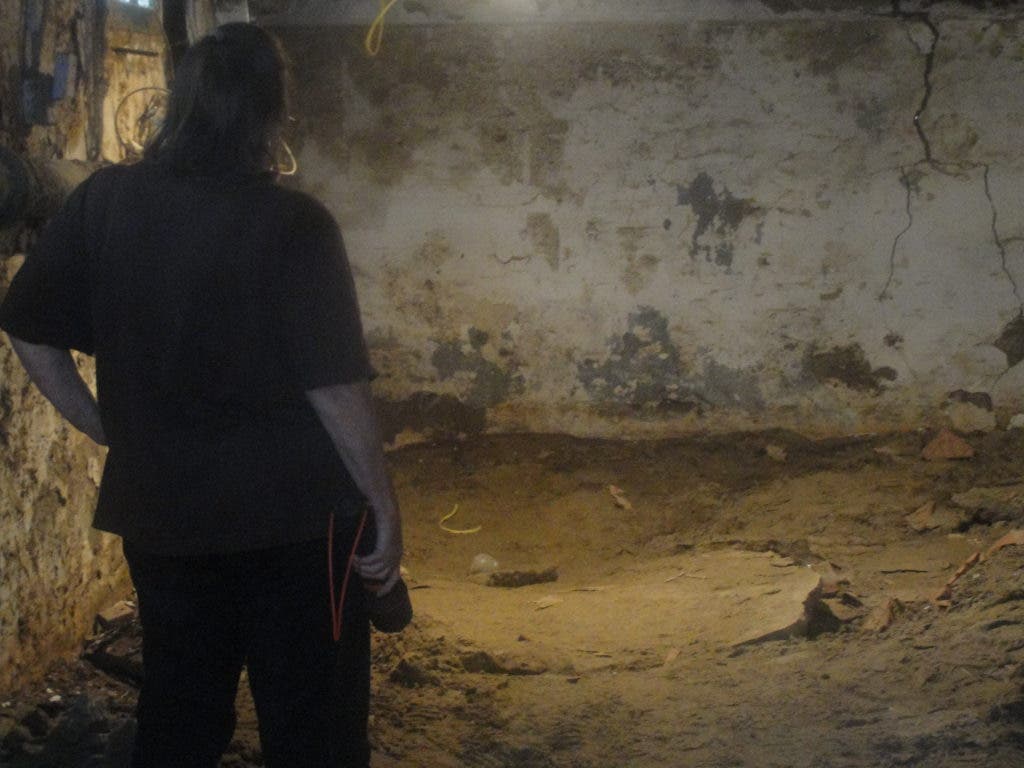


Not long ago, attended a municipal meeting in Ardsley, after which a resident told her the Saw Mill River already had the infrastructure to better mitigate flooding. He said the technology was all there, but that the county just wasn't using it.
Shimsky wasn't sure what the man meant until, this month, a group led by Greenburgh Town Supervisor Paul Feiner initiated a cleanup of the river in Greenburgh and Elmsford. In the process of cleaning out debris, participants discovered something wholly unexpected: a gate system by Woodlands Lake, which would turn the lake into a retention pond in times of heavy rain.
"There had always been talk about the need for retaining walls in the river to better prevent flooding," Shimsky said. "No we know the infrastructure may already be there—just not used. And if there are gates in one place, there may be many more throughout the county."
Find out what's happening in Rivertownsfor free with the latest updates from Patch.
This year Shimsky and others spearheaded the formation of the Saw Mill River Watershed Advisory Board (SWAB), which includes officials from: Yonkers, Greenburgh, Ardsley, Hastings, Dobbs Ferry, Irvington, Pleasantville and the Town of Mt. Pleasant.
Through SWAB, officials are aiming to work together to devise sustainable solutions to the flooding issues along the river.
Find out what's happening in Rivertownsfor free with the latest updates from Patch.
"Water doesn't stop at municipal borders," Shimsky said. "If one municipality acts independently, that action might make it worse for a neighboring town or village."
By working together, Shimsky also believes officials will have better luck procuring funds from the state and federal governments. "If you apply for federal dollars, you have a better shot if you can show a greater number of people will be served," she said.
The group's first step in flood mitigation is cleaning out the debris that is literally gunking up the river. SWAB has been sending out groups regularly this fall, and they hope to continue cleaning the river segmentally.
The next step would be to invest in infrastructure—either repairing current systems or installing new ones—to keep water levels from rising as much as they have in recent years. Shimsky was excited and motivated by the discovery of retention gates in Greenburgh, saying that revitalizing old infrastructure may be less expensive than starting from scratch. Engineers are working now to investigate the old system's potential effectiveness.
Another goal is to make sure developers make their properties more permeable, or better able to absorb excess water. "The more real estate development you have, the less the land can support runoff water," Shimsky said. "We hope to enact legislation that will force developers to create more permeable surfaces."
Hurricane Irene was a wake-up call both for residents and officials that something needs to be done about Saw Mill River flooding, especially because major storms seem to be hitting the area with greater frequency.
"A woman told me she found her freezer literally floating in her basement," Shimsky said. "People who live near the parkway constantly need to redo their floors and replace appliances after major storms. We may not be able to solve the problem completely; but we can certainly make it better. We have to."
Get more local news delivered straight to your inbox. Sign up for free Patch newsletters and alerts.