Health & Fitness
One Third Of LI Parents Won't Give Their Kids HPV Vaccine: Poll
"Why would a parent withhold the first anticancer vaccination from their child?" one pediatrician asked.


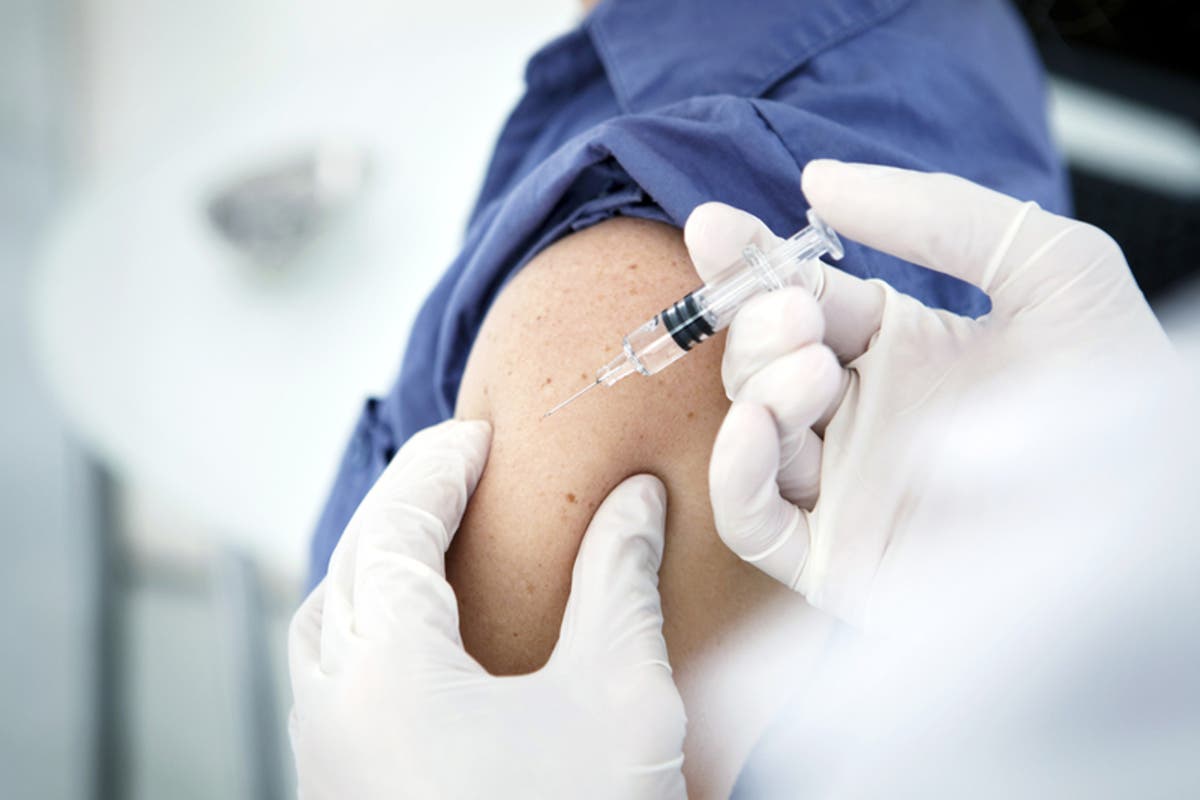
A new report by South Nassau Communities Hospital has revealed that more than a third of Long Island parents are not aware that they should get their children vaccinated against HPV, a disease that can cause cancer.
The latest "Truth in Medicine Poll" from SNCH showed that 37 percent of parents do not plan to are not sure if they will vaccinate their children against human papillomavirus (HPV). The majority of people who didn't plan to vaccinate their children said they needed to get more information or didn't know it was for boys, or didn't answer. And nearly a fifth thought the vaccine is dangerous.
HPV is a very common virus, SNCH said. Nearly 80 million people — both men and women — are currently infected, and about 14 million new people become infected each year. HPV affects people of all ages, but it is most common among those 25-35 years old. Many people with HPV never develop symptoms and the virus goes away by itself, but for about 1 in 10 people, it can last longer and may cause certain cancers, such as cervical cancer.
Find out what's happening in Rockville Centrefor free with the latest updates from Patch.
Research has shown that HPV causes nearly all cervical cancers, but it can also cause oral, anal, vaginal and penile cancers. Still, a stigma remains, SNCH officials said, that the vaccine should only be given to sexually active girls or that it may promote sexual activity in pre-teens and teens.
“To all of the skeptic parents who still remain in our community, I urge you to speak with your pediatrician or primary care provider," said Dr. Adhi Sharma, South Nassau’s chief medical officer and executive vice president. "The stigma around HPV and sexual activity should not outweigh significantly decreasing your child’s risk of specific cancers.”
Find out what's happening in Rockville Centrefor free with the latest updates from Patch.
The HPV vaccine can be administered to boys as well as girls. Gardasil, one of the main HPV vaccines, was approved for women in 2006 and for men in 2009. Last October, the FDA expanded the use of the vaccine to cover adults up to age 45. It was originally only approved for those up to 26.
The HPV vaccine is a safe and strong tool for preventing certain types of cancers, said Aaron E. Glatt, MD, South Nassau’s Department of Medicine chair and hospital epidemiologist.
“The HPV vaccine substantially reduces a woman’s risk of cervical cancer. It also reduces the risk of anal carcinoma and other precancerous growths," Glatt said. "It is important that preteens, both boys and girls, receive the vaccine at the recommend age to allow enough time to develop an immune response. A vaccine now will prevent cancers caused by HPV later in life.”
The CDC recommends that all adolescents 11 or 12 years old receive the HPV vaccine before they are exposed to the virus. It is also recommended for women up to age 27 and men up to age 22 if they were not previously vaccinated. For males who have sexual relations with other men, it is recommended up to age 27. The vaccine is given in two doses, although some require three.
“In my nearly 50 years in pediatrics, this remains a source of much frustration for me, especially for boys where use of the vaccine has been underappreciated and not emphasized,” said Dr. Warren Rosenfeld, South Nassau's chairman of Pediatrics. “Why would a parent withhold the first anticancer vaccination from their child?”
Photo: Shutterstock
Get more local news delivered straight to your inbox. Sign up for free Patch newsletters and alerts.