Neighbor News
What Happened with Brexit? A Quick Guide to Britain's Exit from the EU
The people have spoken: The UK is leaving the EU, but what does it mean and how will if affect the U.S.

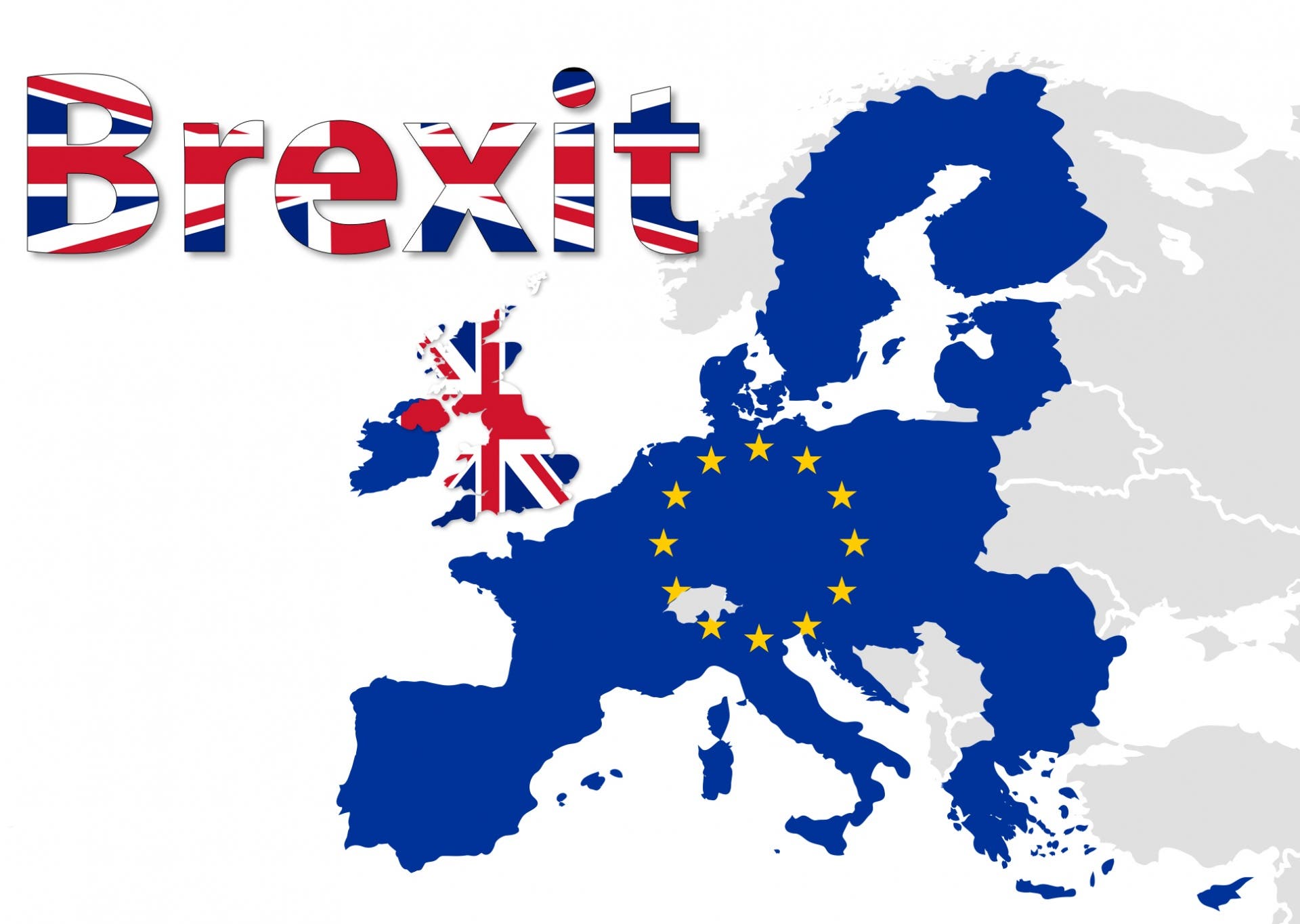
In a narrow 52% to 48% referendum vote, the UK has decided to leave the European Union. This outcome has been shocking to many, and there are those who lament that it will have adverse effects not only for the UK, but for the global economy. You might be wondering exactly what the European Union is, and why such a significant portion of the UK voted to leave. Here are some facts to inform your understanding.
What is the UK?
Find out what's happening in Rockville Centrefor free with the latest updates from Patch.
The full name of the United Kingdom is the “United Kingdom of Great Britain and Northern Ireland.” It is a combination of formerly separate nations – England, Scotland, Wales and Northern Ireland - that was created in 1801. It was originally named the United Kingdom of Great Britain and Northern Ireland, however, in 1922, much of southern Ireland decided to leave the union, leading to the name change. Although these four components of the UK are referred to as “countries,” in international politics, the UK is recognized as a sovereign nation.
Find out what's happening in Rockville Centrefor free with the latest updates from Patch.
What is the EU?
The European Union is a partnership comprised of 28 (now 27) European countries. It was formed after World War II to promote economic relationships among its members, on the view that countries which trade with one another are less likely to go to war. It now functions as one market that allows goods and people to move about from place to place more easily, as if within one country.
It also has its own currency, the Euro, which is used by 19 of its members. The four major governing institutions of the EU are the European Commission, the European Parliament, The Council of the European Union, and the European Court of Justice.
Why did the UK leave the EU?
There are two major issues that explain why some in the UK are unwilling to continue membership in the European Union. The first issue pertains to sovereignty, and the second, immigration.
Sovereignty
One of the arguments used by those in favor of Brexit is that the European Union’s bureaucracy has grown such that it has reduced Britain’s authority over the policies that govern it. They complain of too much outside control by other countries. This sense of a loss of control over their own actions was particularly seen in economic issues:
- In 2008, European countries that use the Euro were especially hurt by the recession.
- The European Central Bank (the central bank of the 19 European Union countries that use the euro) raised interest rates in 2011, which caused the money supply to decrease. This made things even worse for these countries.
- The UK, which uses the pound sterling instead of the Euro, wasn’t directly harmed like other members of the European Union, but this still made some British citizens wary that the union would one day drag them into a similar crisis.
- To change the regulations that EU leaders place on member countries, it has to be done at the level of the EU, which to an extent limits the authority of Britain’s elected officials.
Immigration
The European Union allows for open borders between members.
Although this has allowed more people to enter, nativist ideas have become more prominent in the UK, and there has been great racial strife as a result. The number of reported hate crimes increased fivefold in the week after Brexit, with Islamophobia being among those committed. It would seem that extremists have taken the vote to leave as validation for their sentiments.
There are also economic fears that jobs will be taken up, and security fears, with concerns about terrorism. People from less wealthy nations in the EU have come to the UK looking for work, leading to concerns that immigrants could take up too many jobs, and deplete social services. Moreover, among those in favor of Brexit, leaving the EU was perceived to reduce the risk of terrorist attacks from radical Islam.
Drawbacks
As you may have guessed, there are drawbacks to leaving the EU.
- As a member, Britain enjoyed any trade deals the EU made with other nations, such as the U.S, and even had a voice in how they were structured. Now, Britain can make its own trade agreements, but it may not hold the same level of influence.
- Car manufacturers, banks, and other companies may move their operations out of the UK, since operating in the nation no longer gives them access to the benefits afforded by EU membership. The resulting doubt and loss of jobs could cause another British recession, and there are concerns that America’s economy would be negatively affected also.
Still, the UK hasn’t officially left the European Union yet. It must first appeal to Article 50 of the Lisbon Treaty, which will begin the legal process of leaving the union, one that involves negotiating the terms of its relationship with the union after its withdrawal.
How does this decision affect Americans?
Brexit will have an impact in the U.S.:
- With the UK leaving the EU, many investors will move away from the pound, in favor of the dollar.
- With the value of the dollar rising in comparison to the pound, US exports can be expected to decrease. On the bright side, it will also be much cheaper to travel to the UK.
- Goods from the UK will cost less in the US, while goods from the US will cost more in the UK. So, companies like Apple and Nike, which sell internationally, will see decreased sales (since higher prices make their good less attractive).
- Many international corporations, including those headquartered in the US, currently invest in the UK because of the access it gives them to the free trade policy in the European Union. So, with the UK’s departure, these companies may leave the UK and invest in the US or other EU countries.
- Ireland is now the main English speaking country in the European Union.
The UK is one of the United States’ largest trading partners. So, when the UK voted to leave the EU, and the value of the pound dropped to its lowest point since 1985, Wall Street fell by over 500 points. The spending of American consumers is key for the growth of the U.S economy. However, American spending on things such as cars and houses goes down if the economy looks bad, and a struggling stock market can definitely have that effect.
by Michael Butler
Michael is a graduate of Baldwin High School and is rising senior at Harvard University with a concentration in government. He is spending his summer working at the Schlitt Law Firm in Huntington, New York.