Business & Tech
Obesity Surgery Explained at Sachem Library
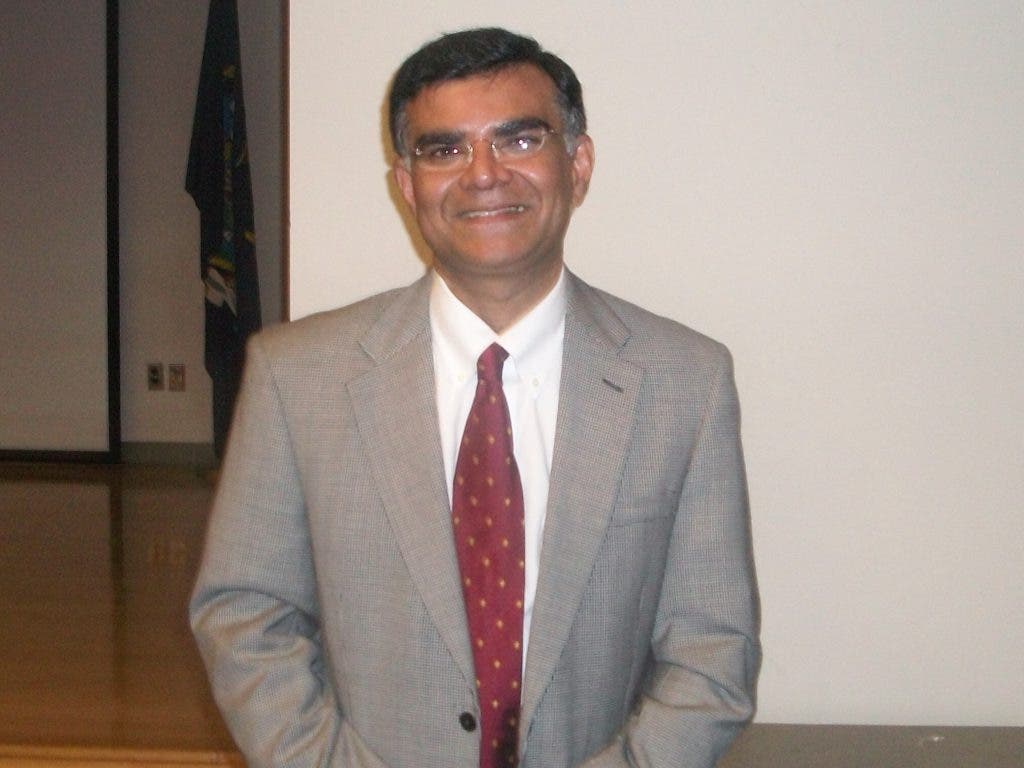
Dr. Arif Ahmad discusses various surgery options for the obese and diabetics.

There's no doubt that Americans are becoming more obese. Anyone who's tried to fit into the seats at one of New York City's more vintage theaters will realize that they were designed for a time when people were were considerably smaller in girth.
"One in five people in the United States is obese," said Dr. Arif Ahmad, a general surgeon who specializes in bariatric surgery at Mather Memorial Hospital. "Type 2 Diabetes in the teenage population has increased tenfold. Diet and exercise don't always solve the problem."
In a program held last week at the Sachem Public Library, Dr. Ahman was assisted by Ann Marie Braslaw and the two of them discuussed three types of bariatric surgery to combat obesity and the diabetes that is often part of it.
Find out what's happening in Sachemfor free with the latest updates from Patch.
The Laproscopic Adjustable Gastric Band surgery, more commonly known as "Lap Band Surgery" is the simplest. In this procedure, an inflatable ring is placed on the upper part of the stomach. This results in the sensation of satiety. The ring can be adjusted even after the initial surgery. It is important surgery because it significantly reduces the craving for carbohydrates--a leading cause of obesity.
"The gastric bypass is another great operation," he said.
Find out what's happening in Sachemfor free with the latest updates from Patch.
Here, the surgeon uses staples to separate a small pouch a the upper part of the stomach from the rest of the organ. The lower part of the intestine is then re-routed to the pouch, becoming--in essence--the functioning stomach. Lap Band Surgery can result in between 40-50 percent weight loss after one year. A gastric bypass limits the amount of food that can be consumed.
According to Dr. Ahmad, this surgery actually "cures diabetes." He also adds that this procedure doesn't introduce any foreign matter into the body. The gastric bypass can result in a weight loss of between 70-80 percent.
The third surgery that Dr. Ahmad discussed was the Sleeve Gastronomy. In this case, a portion of the stomach is actually removed, shrinking the size of the organ and curbing the patient's appetite by reducing the secretion of the "hunger hormone" ghrelin. Candidates for this procedure are carefully screened for dietary habits and pre-existing gastro esophageal reflux.
After all of these surgeries, alcoholic intake should be limited. There are always possibilities of the organs "leaking" and/or damaging neighboring organs. There is also the slight possibility of mortality; around 5 percent.
For further information or to make an appointment, contact Dr. Ahmad at (631) 689-0220.