Health & Fitness
E-book Pricing
Many publishers want to price e-books at regular book prices - but given the differences in the product can this be justified?

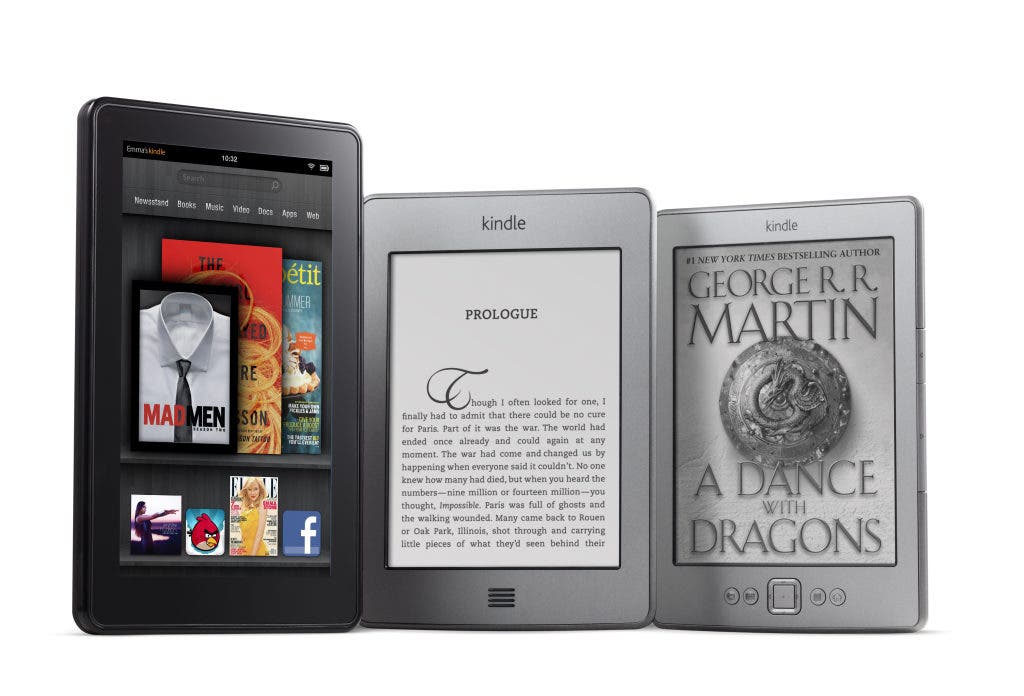
The last few weeks have seen a plethora of articles about the Department of Justice lawsuit against and certain large publishers for apparently colluding to fix the price of e-books. Despite the fact that Amazon is not a party to the lawsuit, the reports invariably mention them by name amid suggestions that they will be handed a potential monopoly if the Department of Justice rule against the defendants (several publishers have already settled rather than fight the lawsuit), while little attention has been paid to the idea that it is the Department of Justice’s job to investigate unfair trade practices in order to protect the consumer from the might of big business.
Given that e-books have a one-off set up cost while traditional books have a print, shipping and storage cost per copy, it is hard to see how the suggested price of between $12.99 and $14.99 for an e-book under the agency model that Apple and the other publishers implemented can be justified when trade paperbacks retail for $13-$15 and mass paperbacks for considerably less. Basically, the publishers and distributors stood to gain from the reduced cost of providing e-books while none of the benefits were passed on to the consumer or, unless they managed to renegotiate new royalty terms for the e-book rights, even the author.
Say what you will about Amazon, and they seem to have a lot of detractors, but at least they tried to lower e-book prices. Yes, maybe they had an ulterior motive – to encourage the sale of the Kindle - but the idea that if they get ‘their way’ in this court case, they will become a monopoly and then be able to dictate higher prices themselves, presupposes that the failure of the big publishers to adapt to the changing market (and cut their overheads accordingly) will discourage those unable to currently compete with the mammoths of the traditional book publishing industry to rise to the challenge. The rapid appearance of several alternative self-publishing options for e-books at substantially lower prices surely suggests that is not the case.
Find out what's happening in Scarsdalefor free with the latest updates from Patch.
The reader who buys has already had to fork out a considerable sum for an e-reader, a product which no doubt will have to be replaced at regular intervals – what chance is there that e-books will not follow the path of music (vinyl, cassettes, CD’s) or movies (videos, DVD’s, Blue-ray) in forcing consumers to buy newer versions of products they already own due to obsolescent technology?
Compare that to the traditional book buyers – they pay one sum and the book is in their possession for as long as they want it. They can pass it on to family and friends, use it as part of their interior decoration, sell it on the secondhand market or even donate it to the local library sale when they are finished with it, with no restrictions.
Find out what's happening in Scarsdalefor free with the latest updates from Patch.
The e-book also comes with limits on how often you can lend the book to someone else via e-readers - currently this seems to be only once per purchaser. You could, of course, get round this restriction by lending your e-reader out as well, but how many people are going to be willing to do this to the extent that they would with books? This ultimately could have a negative impact on word-of-mouth marketing: given high e-book prices, the person who might borrow a recommended book and go on to be a buyer of future books by the same author, may well decide to give that first book a miss.
The publishers have long lamented the difficult market for bookselling – an excuse they are ever ready to use when they reject a manuscript submission on the basis that they have to 'feel sure’ that the book will sell in these tough conditions, but perhaps they should stop to consider the basic economic principles of supply and demand – if they were willing to lower their e-book prices to allow for reduced production costs, conditions might not be so tough. They might actually sell more books by more authors – which would benefit everyone involved, even the consumer.
Mel Parish is a self-published author whose e-book novel 'Silent Lies' is available from both Amazon and Barnes and Noble. www.melparish.com