Health & Fitness
When Diets Go Awry: A Look At Signs And Symptoms Of Eating Disorders
People often start diets with very good intentions. But for some people, they may take their dieting too far. Here's how to spot the signs of an eating disorder and what to do about it.
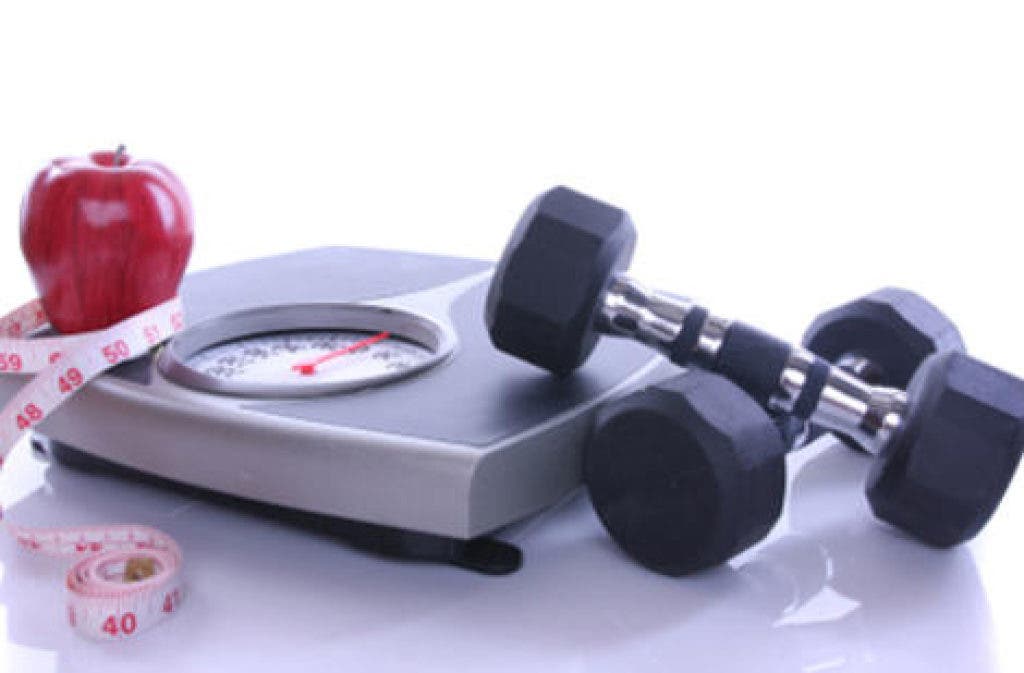
People often start their with very good intentions. They want to be healthier and more fit. And, they want to look and feel better about themselves. But for some people, the positive reinforcement they receive from friends and family as their clothing size decreases can cause them to take their dieting too far.
Most people think only of teen girls when they hear about anorexia. This is not the case at all. Anorexia can affect anyone and at any age, and it causes the most deaths out of all mental health illnesses including depression. "Extreme dieters" crave the high they receive from all the new attention, and this makes them want to keep dieting until it becomes an obsession. This can be especially true for someone who perhaps, always felt insecure about his or her body and is now getting a lot of positive reinforcement. The fearful voice in their heads may ask, "Will people continue to like me or pay attention to me if I gain weight?"
An eating disorder can also occur after someone loses weight due to an illness. Again, the weight loss attracts a lot of attention that is mostly positive and causes the person to perpetuate the need to lose more weight.
Common Eating Disorder Profiles
Typically, those who develop eating disorders have a "Type A" personality. They are perfectionists and need to feel in control at all times. It is not surprising that the onset of eating disorders is largely in the early teens, when one is undergoing a lot of fragile changes that involve the body, self-image and new independence. Another common time for an eating disorder to develop is in the late teens/early 20s when people are transitioning into adulthood and may be uprooted from college and find themselves out in the "real world."
The Need for Control
These are tough transitions for someone who likes to be in charge and might feel a loss of control of their own lives. Their eating disorder becomes a way to feel as though they have control over an aspect of their life (like what they can and cannot eat). However, this isn't what is really happening. While he or she may feel in control by monitoring their food intake, the truth is that the eating disorder is actually what is controlling them.
Questions to Ask
Here are some questions to ask yourself if you suspect someone you know has an eating disorder:
How much focus does that person pay on continuing to lose weight once they are already at a healthy place?
Is this person avoiding meals out with people?
Does this person spend so much time at the gym that it seems excessive?
Does this person get more irritable than usual? (This can be a sign that they are malnourished).
Does this person talk a lot about their fear of gaining their weight back? (A major symptom of an eating disorder is the morbid fear of weight gain.)
If you suspect bulimia, do you notice a change in teeth color, hands and fingers -- and is this person going to the restroom too frequently?
What To Do
It is very hard to reason with someone once their eating disorder starts to take over. This is largely because of the malnourished state they are in, which leads to increased anxiety, irritability and depression. Just like someone who becomes grumpy if they skip lunch, the patient with an eating disorder is oftentimes hard to talk to and can be agitated.
If you have a friend that is heading in the wrong direction with their dieting, suggest that they see a mental health professional or psychiatrist as soon as you suspect an issue. Make sure that their feelings are addressed early. The longer the symptoms continue or go unaddressed, they harder it is to undo.
The truth is that someone with an eating disorder is really struggling internally and it can be very difficult for them to admit that they need help. So, please don't worry about being intrusive.
By offering information and support to someone suffering from an eating disorder, they will understand that they aren't really alone and that they have someone in their life who cares and is there. They will understand that there are people around who can help them, which is exactly what they need.
If you need more information about eating disorders, feel free to contact me at www.thefitmd.com or tara@thefitmd.com.