Community Corner
Video: Starving Red-Tailed Hawk Found Face-Down In Snow Now Recovering At Sweetbriar In Smithtown
The rescued hawk was initially quarantined for possible bird flu after being found lying motionless in the snow.


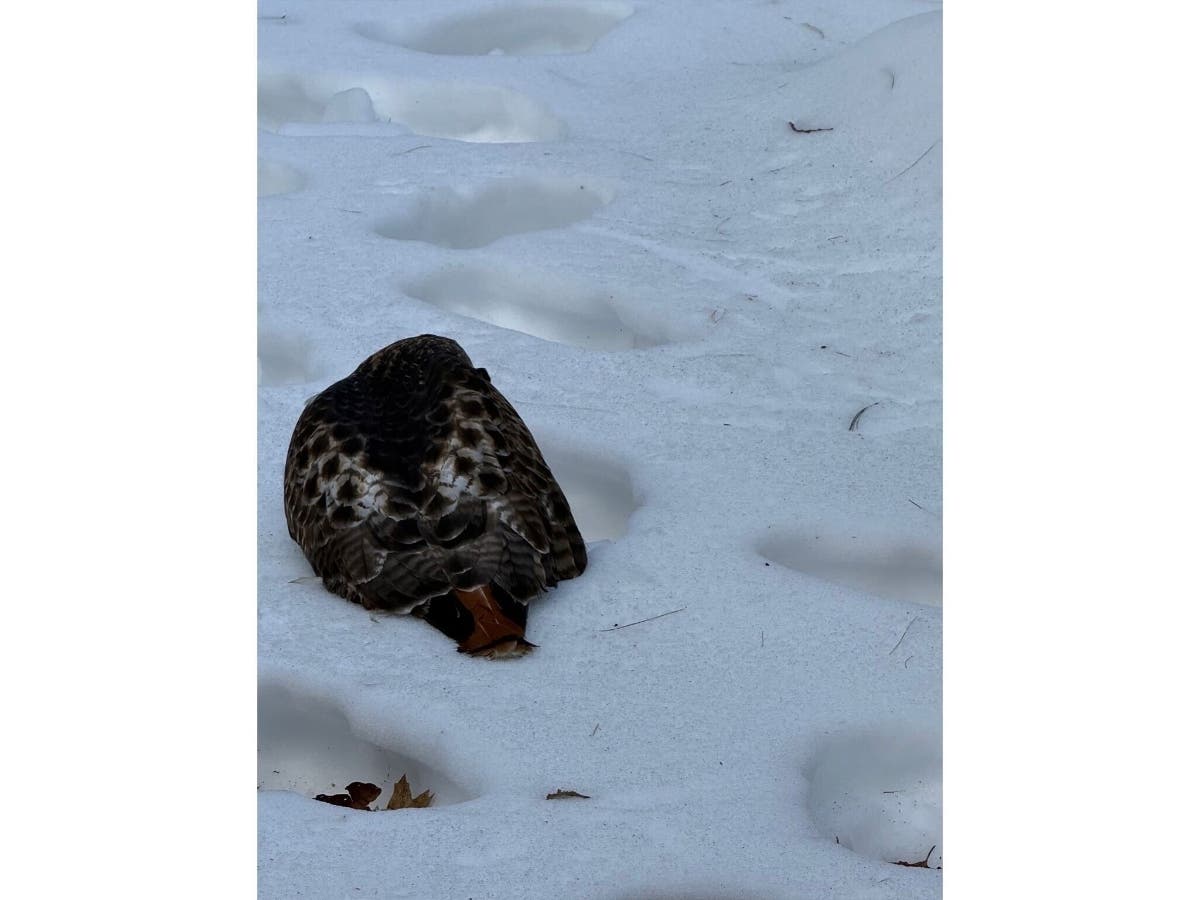
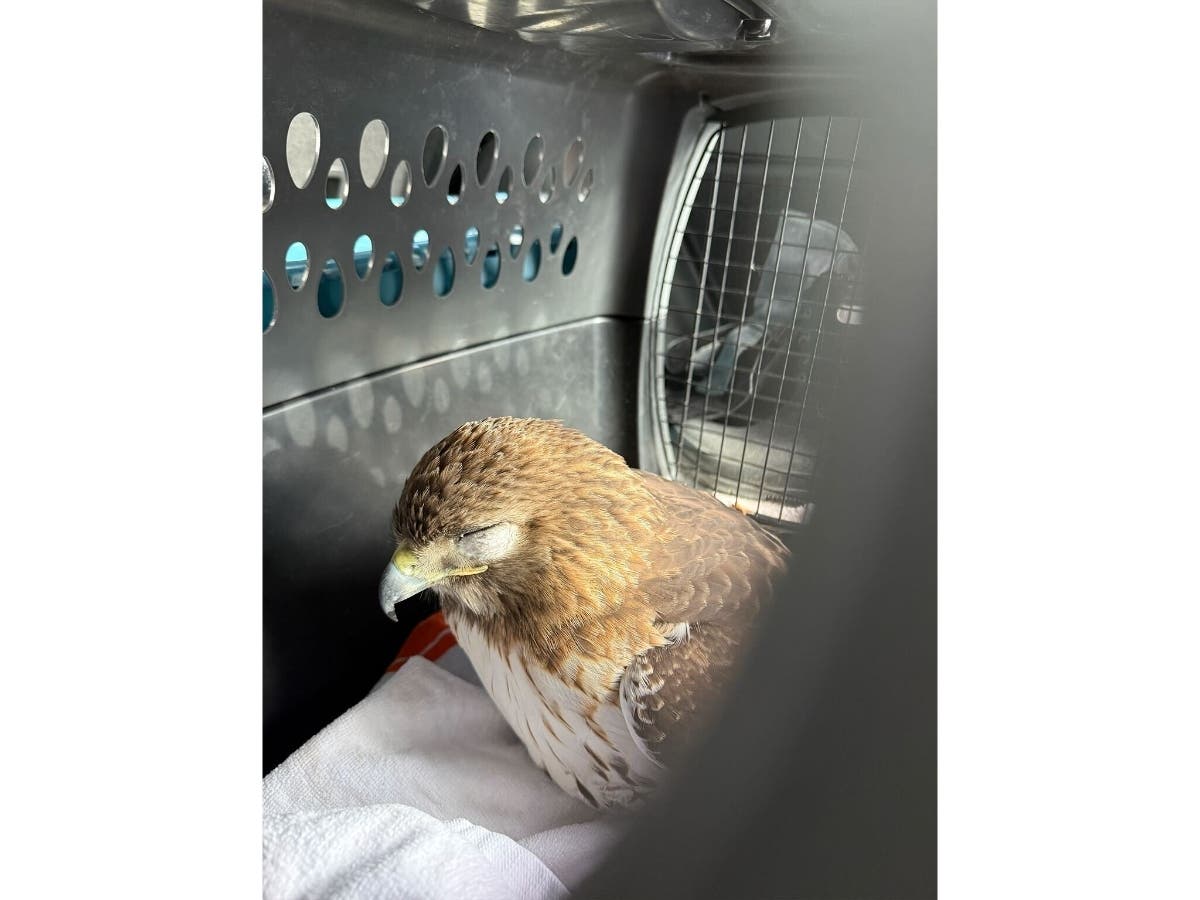

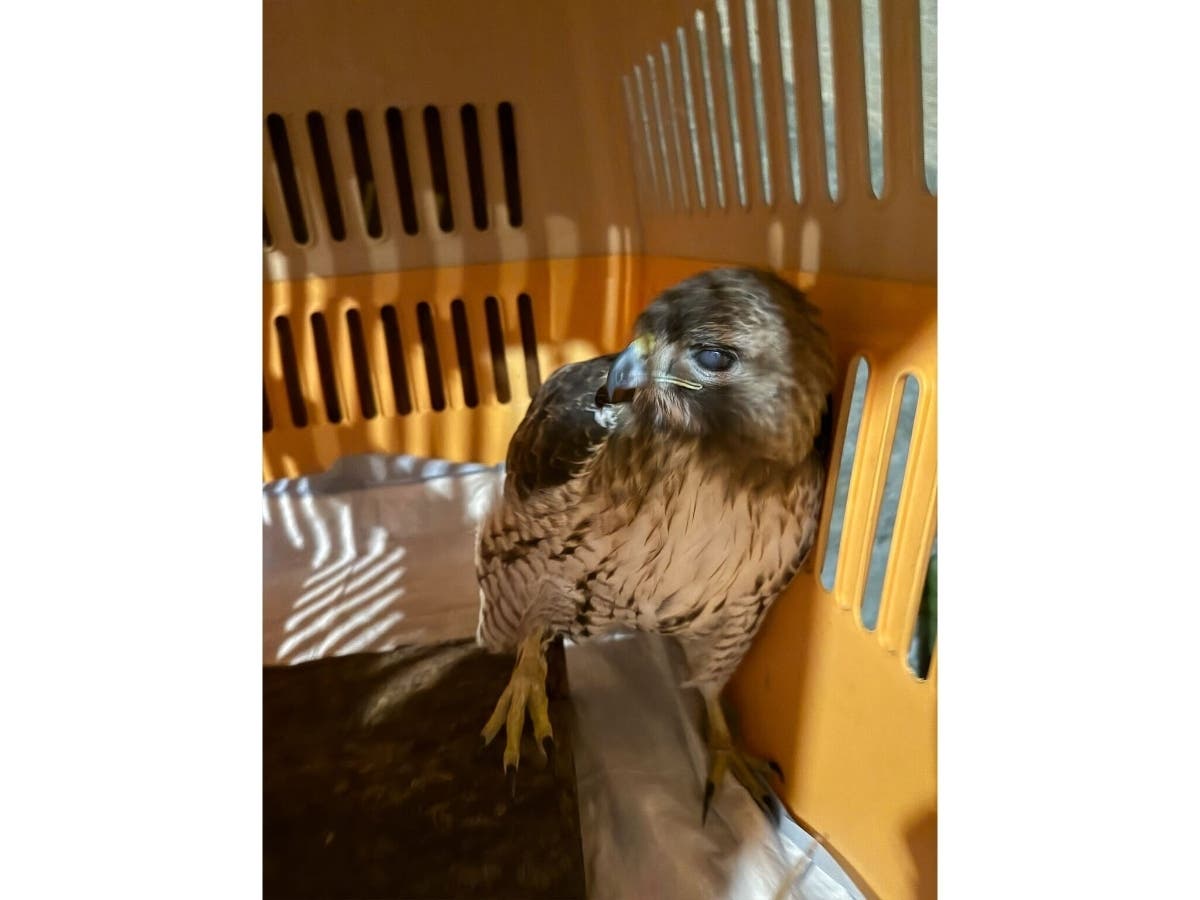
SMITHTOWN, NY — After being discovered face-down in the snow and unable to stand, a red-tailed hawk rescued in Dix Hills is now making a slow recovery at Smithtown’s Sweetbriar Nature Center — a success story wildlife experts say highlights the growing toll that winter starvation is taking on birds of prey across Long Island.
Sweetbriar receives approximately 100 wildlife-related calls per day from residents seeking assistance. The center received a call about a red-tailed hawk found lying face down in the snow in the Northport area.
“There's a series of like, the birds are dying because they're starving,” said Janine Bendicksen, Sweetbriar’s director of wildlife rehabilitation.
Bendicksen reached out to Sweetbriar’s volunteer network, and one volunteer was able to retrieve the bird on Feb. 11 and transport it to the center. Upon arrival, the hawk was lethargic, unable to stand, and neurologically unstable.
Find out what's happening in Smithtownfor free with the latest updates from Patch.
Due to the high number of avian influenza cases being seen in birds of prey this season, the hawk was immediately placed into Sweetbriar’s quarantine area for possible bird flu cases. Staff began supportive treatment, including assisted feeding, fluid administration, and warming.
Bendicksen said that the hawk’s extreme thinness suggested starvation rather than bird flu, as birds infected with avian influenza often present neurological symptoms while still maintaining normal body weight.
Find out what's happening in Smithtownfor free with the latest updates from Patch.
“If an animal comes in and is heavy, displaying neurological symptoms, you know, this could be bird flu, but if they're thin, it's possible that they're starving,” Bendicksen said.
Bendicksen identified the hawk as likely being in its second or third year of life based on the presence of emerging red tail feathers, which develop as juvenile hawks mature.
Over time, the hawk began to make slow but steady improvements. After initially being unable to eat independently, the bird eventually began accepting food by hand and is now able to stand on a perch without instability and tear apart food placed beneath it on its own.
“It's been a few days already, usually with the bird flu, you're dead within 24 to 48 hours,” Bendicksen. “What we do is we keep them in quarantine for four weeks, usually before we allow them to the population, just in case they have [bird flu]. Perhaps they're still shedding the virus and still could pass it along. We're really cautious about that here.”
According to the center, under the best circumstances, a red-tailed hawk can live for two decades or more. But the reality is far harsher. According to the Endangered Species Act (ESA), 36% of Red-tails do not survive past the end of their first year.
Bendicksen said starvation has been a significant issue for birds of prey this winter, as food scarcity forces them to scavenge dead animals. This behavior increases their risk of contracting bird flu by consuming infected carcasses, allowing the virus to spread through the food chain.
Bendicksen said hawks naturally avoid humans, and the ability for someone to approach and pick up a wild hawk typically indicates that the animal is severely compromised or near death.
Residents who encounter injured wildlife are encouraged to contact licensed wildlife rehabilitators. Caring for migratory birds like hawks requires federal permits, limiting the number of individuals qualified to provide treatment.
Regarding the hawk’s potential release, Bendicksen said the timeline will depend on the bird regaining sufficient strength and on improved weather conditions.
“We're full to capacity, and one of the biggest reasons is all the starvation," she said. "We also have collision victims here and can't release any of them until the snow is gone. “With him and lots of others, it'll be when they're strong enough to go back and when the weather is cooperating. So it could be weeks, still.
Sweetbriar does not charge for wildlife rehabilitation services, and the center encourages residents to support the organization through donations, event participation, or educational visits such as field trips.
Sweetbriar encourages residents to support the organization through donations, event participation, or educational visits such as field trips. Sweetbriar Nature Center is located in Smithtown, and those interested in more can reach the center at 631-979-6344.
Get more local news delivered straight to your inbox. Sign up for free Patch newsletters and alerts.