
The 100-billion single-use plastic bags that Americans throw away each year have created a damaging niche in our natural environment.
Made from petroleum products, the bags become mistaken food sources for ocean wildlife, litter our streets and beaches and break down — after upwards of 1,000 years — into toxic chemicals that contribute to water and air pollution.
It’s almost to the point where we have accepted them as part of the natural landscape, a new species if you will. If you don’t believe it, check out "The Majestic Plastic Bag," a mockumentary funded by a California non-profit working to ban plastic bags in their area. It’s funny in a sad way, isn’t it?
Find out what's happening in Southamptonfor free with the latest updates from Patch.
Don’t get depressed; unlike many of the complex, doomsday environmental problems we face, this one comes with an easy fix. All over the world, governments from the largest countries — Italy, Germany, South Africa, Australia — down to the tiniest village — Southampton — are making great strides to break this 30-year habitat of convenience.
Southampton Advocates for the Village Environment successfully advocated for the village to draft a law that would ban the distribution of the most commonly used disposable plastic bags. The village is currently working out the details of the proposal.
Find out what's happening in Southamptonfor free with the latest updates from Patch.
Mackie Finnerty, a member of SAVE, expressed the importance of a ban in the village due to its location. “We thought it was important to implement a plastic bag ban in the seaside towns because plastic bags are frequently found in ponds, on the dunes and along beaches," she said. “Plastic bags not only end up as litter, but they also kill birds and sea creatures, compromising our already fragile ecosystems.”
Last year, teamed up with approximately 30 other Long Island-wide organizations and advocated for the passage of Suffolk County’s proposal to eliminate the distribution of single-use plastic bags at large retail stores. Unfortunately, the bill met considerable opposition from the plastic and grocery industries, and it fizzled out.
However, momentum is now growing and with some luck we will be saying bye-bye to disposable plastic bags in the near future. In the meantime, think reusable, reusable, reusable bags.
Until We Can Say Bye-Bye for Good, Here’s What You Can Do:
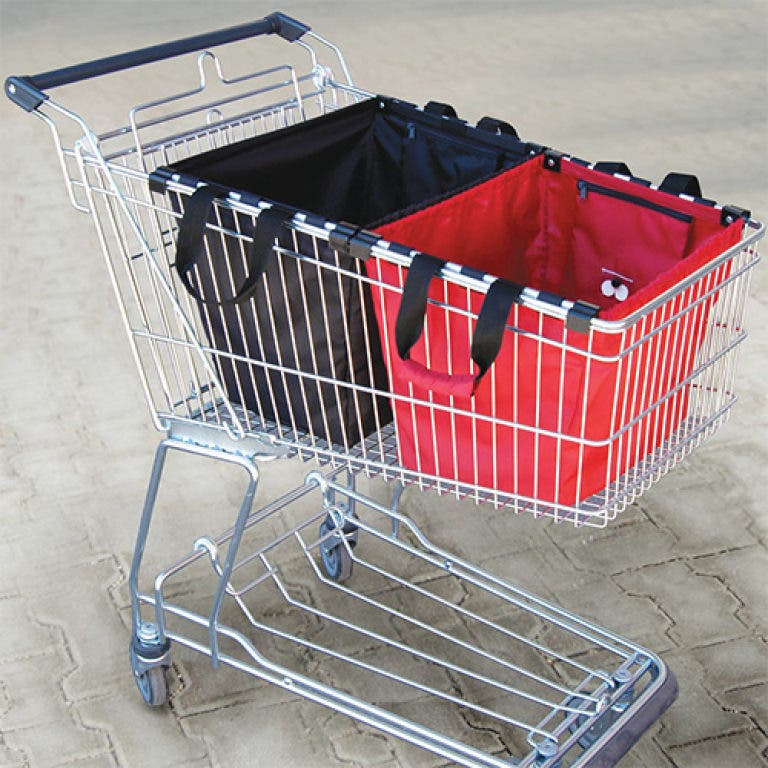
1. When asked if you prefer paper or plastic and the checkout counter, reply “neither” and start sporting reusable bags. They are everywhere in many styles and most cost less than a can of soda.
2. Support the village of Southampton’s goal of eliminating the distribution and use of disposable plastic bags. Please write to Mayor Mark Epley and the village trustees and express your support for the proposal.
3. Look for the recycling bins in larger retail stores to drop off unwanted plastic bags.
4. Contact your municipal leaders and ask them to ban single-use plastic bags in your community.