Crime & Safety
Man Who Died when Tased Was High on PCP: NY AG
An investigation found officers were justified in their use of force.


Carmel police were justified in their use of force against a local man who died after being tased, the New York Attorney General has ruled.
Attorney General Eric T. Schneiderman released a detailed report Friday from his Special Investigations and Prosecution Unit regarding the death of Carmel resident Joseph Seguin following a November 2015 struggle with local police officers.
Police were called to his home Nov. 30 after getting a 911 call. According to the AG, police found him in his bedroom assaulting a woman; he violently resisted arrest and was tased. He died shortly afterward.
Find out what's happening in Southeast-Brewsterfor free with the latest updates from Patch.
He was high on PCP at the time, the medical examiner reported, and died of cardiac arrest.
The investigation, led by Chief of the Special Investigations and Prosecutions Unit Alvin Bragg, found no criminal culpability in Seguin's death, Schneiderman said.
Find out what's happening in Southeast-Brewsterfor free with the latest updates from Patch.
However, the AG's office recommended that police departments, particularly Carmel's, develop policies to take into consideration that some people, including those under the influence of drugs, may be at heightened risk of serious injury or death when subjected to a taser.
Here's the rest of Schneiderman's announcement:
According to the report, officers responded to a residence shortly after 1:34 a.m. after receiving a 911 call about a woman being assaulted. Officers arrived to find Seguin assaulting a woman in his bedroom.
According to several civilian witnesses and police accounts, when police arrived Seguin violently resisted arrest, kicking and punching officers, and grabbing a dog cage that contained a pit bull. When officers were finally able to free Seguin’s hands from the dog cage, he locked his hands beneath his body to prevent officers from applying handcuffs. In their attempt to effectuate an arrest, officers deployed a Taser dart into Seguin’s abdomen; Seguin died shortly thereafter.
According to an autopsy, microscopy, and toxicology conducted by the Putnam County Medical Examiner, Mr. Seguin’s cause of death was “cardiac arrest during [an] excited state, while under the influence of phencyclidine [PCP], after being Tasered and handcuffed.”
As part of the investigation, investigators reviewed autopsy, microscopy, and toxicology records from the Putnam County Coroner / Medical Examiner; interviewed civilian witnesses who saw or heard various parts of the incident; interviewed Carmel Police Department officers and Emergency Medical Technicians wh0 responded to the scene; and reviewed 911 dispatch recordings, video captured by one civilian witness, and video and audio captured by a Taser used during the incident.
“The death of Mr. Seguin is a tragedy, and we extend our condolences to his family and friends,”Attorney General Schneiderman said. “Our exhaustive review of this case has concluded that Carmel police were justified in their use of force, including their use of a Taser, in their effort to arrest Mr. Seguin. My office remains committed to a thorough and transparent accounting of any case that falls under the Executive Order.”
The report was produced as part of Schneiderman’s role as the state’s special prosecutor. In July 2015, Gov. Andrew Cuomo appointed the Attorney General to that role to oversee investigations into incidents where unarmed civilians die during interactions with police or in incidents where there is significant question as to whether the civilian was armed.
The investigation, as detailed in the report, describes the following timeline of events:
In the early hours of November 30, 2015, three Carmel police officers responded to a 911 call at Seguin’s home. When they arrived, they found him assaulting a woman. After Seguin ignored their demands to release the woman, officers pulled Seguin away from her.
As observed by several civilian witnesses, Seguin then violently resisted arrest. He kicked and punched officers and grabbed a dog cage containing a pit bull. When officers were able to free Seguin’s hands from the dog cage, he locked his hands beneath his body so that the officers could not handcuff him and continued to struggle with the officers.
An officer warned Seguin that he was going to be Tasered and then tried to deploy his Taser in “drive-stun” mode (by pressing the instrument directly against Seguin’s skin), but it malfunctioned and had no effect.
Officers continued to struggle with Seguin and again advised him that he would be Tasered if he did not stop resisting arrest. One officer used a pain compliance technique whereby he pinched the skin on the back of Seguin’s arm. After that technique did not work, another officer Tasered Seguin in his lower waist/back area; although the Taser functioned properly, Seguin continued to fight with the officers.
Finally, an officer used a Taser in dart-probe mode (i.e., rather than just pressing it into Seguin, the Taser released darts designed to cause temporary neuromuscular incapacitation into Seguin’s side-abdomen). The device was activated eight times over the course of 91 seconds before the officers were able to handcuff Seguin. Shortly thereafter, Seguin lost consciousness, stopped breathing, and died.
The coroner found that the cause of death was “cardiac arrest during [an] excited state, while under the influence of phencyclidine [PCP], after being Tasered and handcuffed.”
The report also recommends that the Carmel Police Department reevaluate its policy regarding the use Tasers in light of this incident, specifically: Courts generally deem Taser use as non-lethal force, but there are limited scientific studies about the effect of Tasers on people under the influence of drugs; therefore police agencies should be mindful of possible concerns and take these concerns into account when developing use-of-force policies.
Officers should be made aware that certain vulnerable populations, including those under the influence of drugs, may be at heightened risk of serious injury or death when subjected to a taser.
The CPD in particular should consider developing policies specifically addressing Taser use on individuals suspected of being under the influence of drugs.
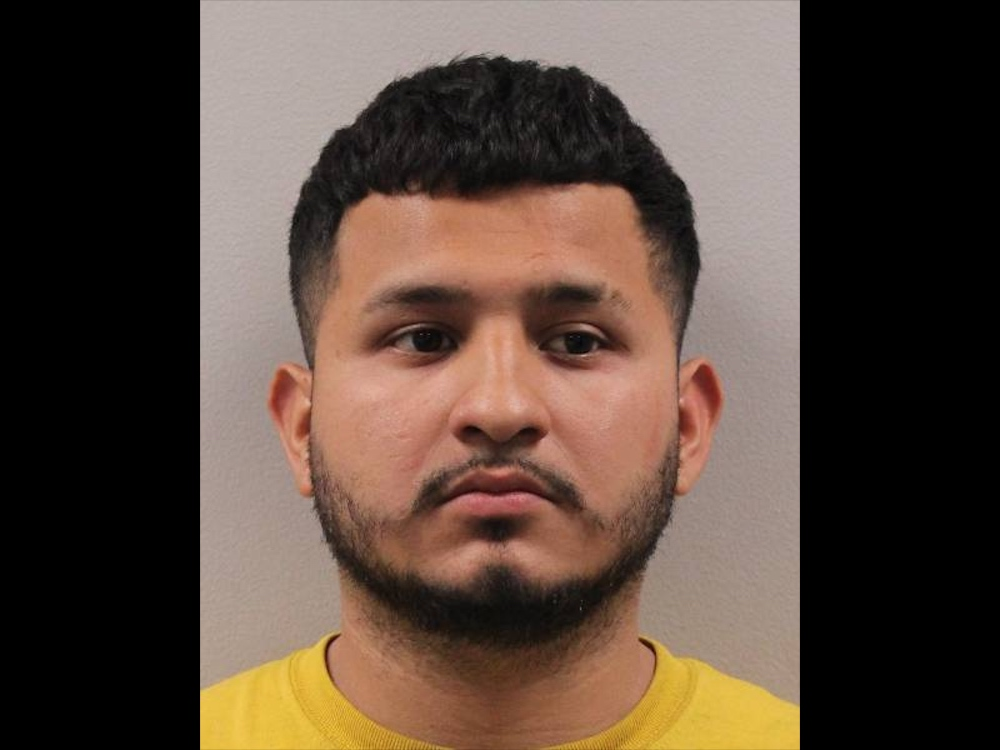
PHOTO via NY Attorney General's Office
Get more local news delivered straight to your inbox. Sign up for free Patch newsletters and alerts.