Home & Garden
Health Officials Warn: Tick Season Has Arrived in Brewster, Southeast
All that cold weather didn't help—they were asleep under all that snow. The young ones cause the most infections as they're hardest to see.


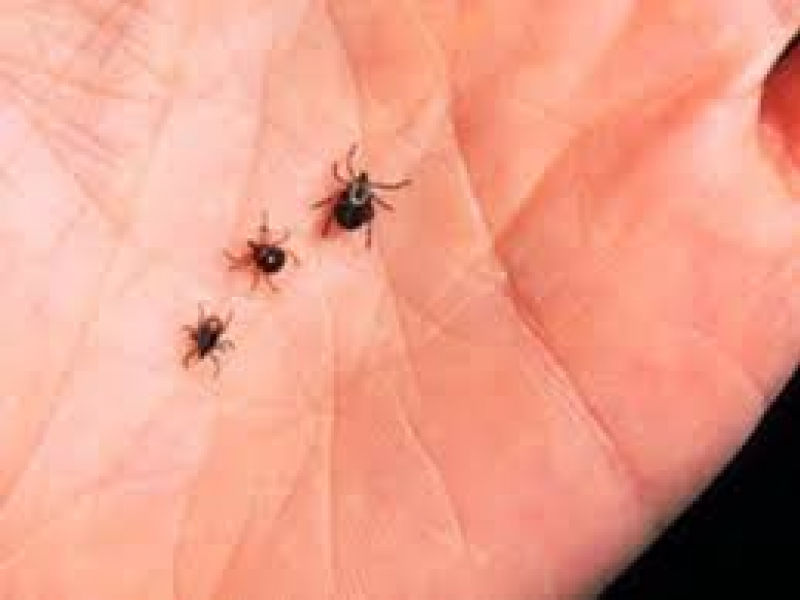
If you think this past winter’s cold, snowy weather will dampen the population of ticks this season, think again, says the Putnam Health Department.
The fact is heavy snowfall acts more like insulation, protecting sleeping ticks that lay close to the ground, and according to research from the Cary Institute of Ecosystem Studies in Dutchess County, these pests are arriving earlier each spring.
Lyme disease is still the most common tick-borne illness, but not the only one.
Find out what's happening in Southeast-Brewsterfor free with the latest updates from Patch.
Cases of babesiosis, anaplasmosis, ehrlichiosis and powassan virus appear to be on the rise. From 2012 to 2013, the total number of these more serious infections rose more than 60 percent.
“Preventing tick bites remains our number-one defense,” explains Allen Beals, MD, JD, Commissioner of Health for Putnam County. “Powassan virus, while rare, can be transmitted much more quickly than Lyme infection, so the emphasis must be on preventing the bite in the first place.”
Find out what's happening in Southeast-Brewsterfor free with the latest updates from Patch.
For outdoor activities, especially in wooded areas or tall grass, precautions should include protective clothing and use of repellents. This means long sleeves and pants, tucked inside of socks, and the application of DEET repellents, following the label instructions closely.
“Wear light-colored clothing to make ‘tick checks’ easier,” Dr. Beals continues, “and look for them while outdoors, so they can be brushed off before attaching.”
He further advises that, once inside at the end of the day, do a thorough final check of your whole body, giving special attention to your scalp, back, armpits, behind ears and the back of knees. While transmission of Lyme disease requires that the tick be attached for a number of hours, Powassan virus has been transmitted in as little as 15 minutes so a DEET repellent is very important.
Springtime brings an increase in tick nymph populations. These young ticks are responsible for most of the infections because they are smaller and more difficult to spot. They rest on low-lying vegetation and attach to passing animals and people. The risk is greatest along trails in the woods and on the edges of properties with tall vegetation, where the higher humidity levels are ideal for tick survival.
Hikers, campers, outdoor workers and even gardeners are among the most likely to be exposed, since ticks are also carried into lawns and gardens by mice and other small animals. Pets can also bring them into homes.
Attached ticks should be removed immediately to limit the chance of infection.
Here’s how:
- Use fine-tipped tweezers to carefully grasp the mouth-parts—not the body—of the tick close to the
- Gently and steadily pull the tick out without twisting or squeezing.
- Wash the bite area thoroughly.
- Apply antiseptic and mark the date on your calendar.
Symptoms of Lyme disease and other tick-borne illnesses generally appear within 30 days of exposure, and may include fever, headache and chills, as well as a variety of other non-specific symptoms such as fatigue, muscle and joint pain, nausea, confusion, swollen joints and lymph nodes. For Lyme disease, a “bull’s eye” red rash may also appear at the bite site, but skin rash is not a common feature of the other infections. Powassan infection, unlike the others, may result in loss of coordination, speech difficulties and mental status changes.
Tick-borne illnesses in general can be difficult to diagnose. Symptoms vary from person to person and often mimic those of other diseases. Left untreated, serious complications can occur including severe arthritis and neurological and cardiac problems. With early detection and antibiotic treatment for the bacterial infections (Lyme, anaplasmosis and ehrilichiosis), recovery is usually rapid and complete.
For more information about Lyme disease and other tick-borne diseases, call the Putnam County Department of Health at (845) 808-1390 or visit the New York State Department of Health web site at www.health.state.ny.us.
Get more local news delivered straight to your inbox. Sign up for free Patch newsletters and alerts.