Health & Fitness
Putnam County Health Department Issues a Zika Virus Notice
Travelers with Zika symptoms are eligible for free testing.


Putnam County residents who have traveled to areas where Zika virus infection is ongoing—and who have symptoms—can take advantage of free advanced testing by the New York State Department of Health (NYSDOH).
Testing is currently not available through commercial laboratories. Symtomatic residents can visit their personal healthcare provider who will work with the Putnam County Department of Health (PCDOH) to facilitate the proper testing procedure through the NYSDOH laboratory at Wadsworth Center. Wadsworth is one of only three state laboratories in the country equipped to perform the screening and confirmatory tests of Zika antibodies and other related viruses.
“We urge any county resident who has traveled to one of the infected areas and has symptoms of Zika virus infection to visit their doctor promptly,” said County Executive MaryEllen Odell. “A New York State Department of Health Zika virus information line has also been established,” she added.
Find out what's happening in Southeast-Brewsterfor free with the latest updates from Patch.
The number is 1-888-364-4723.
“Symptoms of Zika virus infection are usually mild,” explained Putnam County’s Interim Health Commissioner, Michael Nesheiwat, MD. “Fever, rash, joint pain and conjunctivitis, or red eyes, are common ones that usually begin two to seven days after being bitten by an infected mosquito. The bigger problem appears to be a link to microcephaly, a birth defect that results from stunted brain development, so the infection is of utmost concern for pregnant women.”
Find out what's happening in Southeast-Brewsterfor free with the latest updates from Patch.
Symptoms can last from several days to one week. Severe infection requiring hospitalization is uncommon and fatalities are rare.
To date local transmission of Zika infection has been identified in at least 14 countries and territories, including Puerto Rico, the U.S. Virgin Islands and the Caribbean, and further spread in the region is considered likely. The Centers for Disease Control and Prevention (CDC) will update their travel notices accordingly at http://wwwnc.cdc.gov/travel/notices
All travelers to any of these areas should make prevention the highest priority. Wear long sleeves and pants, and use repellant products registered with the US Environmental Protection Agency (EPA), carefully following the directions.
Pregnant women or those trying to become pregnant should consider postponing travel to these regions.
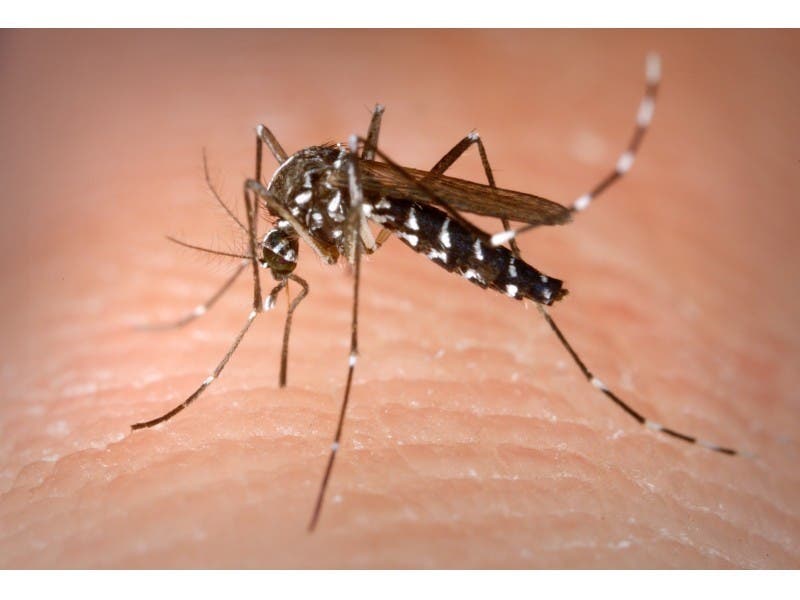
The mosquito that carries the Zika virus is an aggressive, daytime biting variety.
Confirmed Zika virus infection cases have been identified in the continental U.S., including New York State. No local transmission by mosquitoes has occurred in this country, but education and surveillance efforts are being enhanced. Prior to 2015, outbreaks of the virus had occurred only in areas of Africa, Southeast Asian and the Pacific Islands. Last May the first confirmed cases were reported in Brazil.
The Zika virus cannot be passed on through casual person-to-person contact. The CDC has confirmed a case in Texas of Zika virus infection through sexual transmission. The situation regarding Zika virus is changing rapidly as new information develops.
Zika virus infection is transmitted by the same Aedes mosquito that carries dengue and chikungunya virus, which made headlines last year. This is a tropical mosquito that has trouble surviving in winter weather.
The PCDOH and the NYSDOH plan to monitor mosquitos in the Hudson Valley when the warmer weather returns. Only one lone mosquito of this species has been detected in Putnam County since 1999 when surveillance began. Surveillance will continue, as well as enhanced testing of other species for Zika virus.
Further information on Zika virus is available at http://wwwnc.cdc.gov/travel/diseases
Get more local news delivered straight to your inbox. Sign up for free Patch newsletters and alerts.